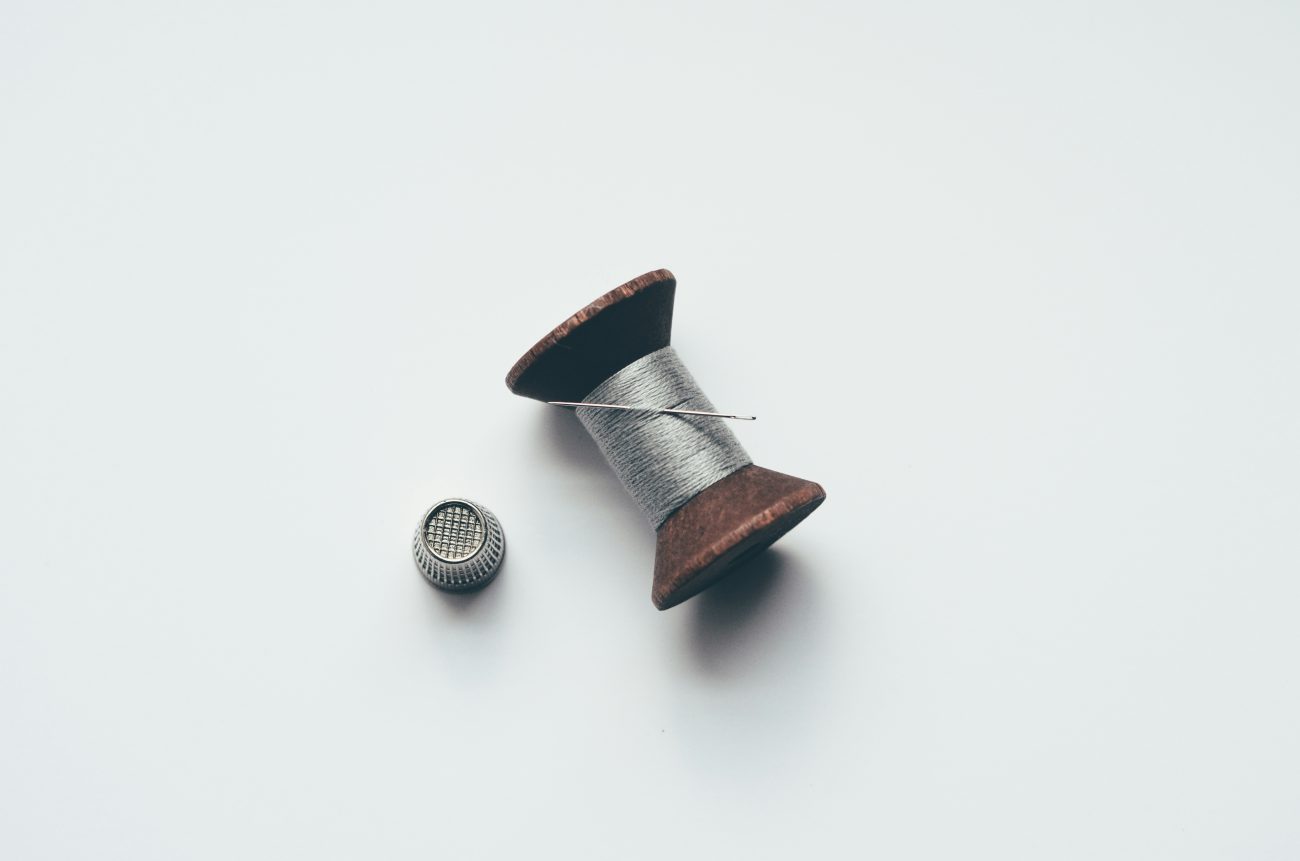
Collectors may consider:
- Material: Silver, gold, and other materials can affect interest and value.
- Age: Older examples may be desirable, but age alone does not guarantee a high price.
- Maker: A recognizable manufacturer or maker’s mark can increase collector interest.
- Condition: Dents, cracks, repairs, and significant wear can affect value.
- Design: Unusual shapes, decorations, engravings, and historical details may make an example more interesting.
Some thimbles were also made as souvenirs or commemorative objects, while others were decorated with elaborate designs.
If you discover an old thimble in a family sewing box, take a moment to examine it before cleaning or polishing it. Look for markings inside and around the rim, and avoid aggressive cleaning methods that could damage an old finish or remove useful evidence of its age.
A common brass thimble may have little monetary value, but it can still carry sentimental importance if it belonged to a parent or grandparent.
How to Tell Whether an Old Thimble Is Worth Examining
If an old thimble catches your attention, there are a few simple things you can check.
Start by looking at the material. Traditional examples were often made from brass, steel, or silver. A silver thimble may have a purity mark or maker’s stamp, although markings can be difficult to read on worn objects.
Next, examine the shape and surface. Look for unusual decoration, engraved initials, distinctive patterns, or a design that differs from ordinary modern thimbles.
Check the inside as well. Some manufacturers placed identifying marks there, where they were less likely to wear away.
Finally, consider its condition. A small amount of surface wear is normal for an object that was used regularly. However, serious damage, cracks, or repairs may influence its value.
If you believe you have found a particularly old or valuable example, a reputable antiques dealer or specialist can help identify it.
Most importantly, do not assume that every small metal thimble is rare. Many were manufactured in large quantities and used as ordinary household tools.
A Small Object That Tells a Bigger Story
A sewing thimble may be no bigger than a fingertip, but it represents a time when repairing clothing was a regular part of everyday life.
It protected the hands of people who spent hours sewing, mending, quilting, and making things for their families. Its simple design helped make a repetitive task safer and more comfortable.
Today, an old thimble found in a sewing basket can bring back memories of someone sitting at a kitchen table, carefully threading a needle, or repairing a favorite garment rather than throwing it away.
Perhaps it belonged to a mother who always kept spare buttons in a tin. Maybe it was used by a grandmother who could repair almost anything with a needle and thread.
Even if you never use it yourself, the little object has a story worth appreciating.
So, the next time you discover a small metal cup covered with tiny dents in an old sewing box, you will know what it is.
It is a sewing thimble—a modest but clever invention that helped generations of people keep their fingers safe while putting their clothes, and sometimes their families’ belongings, back together.
