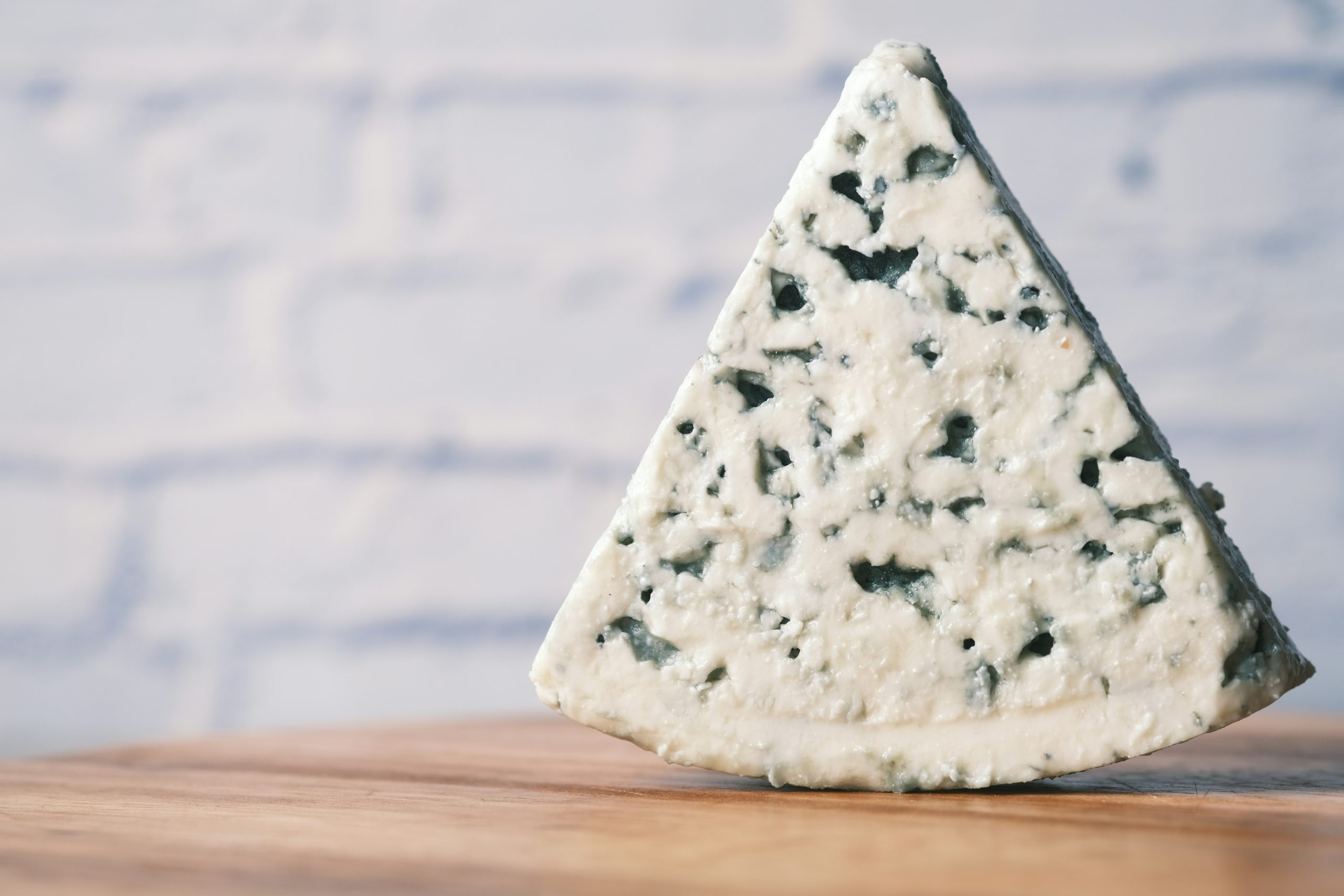
The risk depends on several factors, including the type of mold, the food involved, and the amount consumed. Not every accidental exposure causes illness.
If you have eaten a small amount, avoid eating any more of the questionable cheese and pay attention to how you feel. Seek medical advice if you develop concerning symptoms, particularly if you are pregnant, older, immunocompromised, or otherwise at increased risk of foodborne illness.
Do not try to make yourself vomit or take medication simply because you discovered a small patch of mold. If you are worried about a particular exposure, a healthcare professional or local poison control service can offer appropriate guidance.
The Bottom Line: It Depends on the Cheese
A small green or blue spot on cheddar does not always mean the entire block has to be thrown away. Because cheddar is a firm cheese, food-safety guidance generally allows you to remove a small moldy area along with at least one inch around and beneath it.
Soft cheeses are different. Cream cheese, ricotta, cottage cheese, and fresh mozzarella should be discarded if unexpected mold appears. The same applies to sliced, shredded, and crumbled cheese.
And remember: the color of a mold spot cannot tell you whether it is safe.
The best approach is to understand what type of cheese you have, follow the appropriate food-safety guidance, and avoid taking unnecessary risks. Saving a little cheese is rarely worth risking your health.
