PROJECT MARGARET — PHASE ONE.
I studied my husband’s face.
He looked younger than I remembered him in his final years. He appeared confident, even proud.
Whatever this project had been, it had clearly mattered to him.
Daniel continued examining the papers. There were references to medical testing, patient observation, and long-term health monitoring.
Then we found a document bearing my name.
The date was twelve years earlier, during the same week Robert had been hospitalized for the last time.
“I never agreed to participate in a research program,” I whispered.
“Maybe Dad arranged a routine health appointment for you,” Daniel suggested cautiously.
I shook my head.
“Then why wouldn’t he tell me?”
Dr. Parker later clarified an important distinction: the archived research records were separate from my current medical diagnosis. At that point, there was no established evidence connecting the old project to the mass discovered in my abdomen.
Still, the records raised questions about my medical history that deserved answers.
She recommended that we preserve the original documents and have the information reviewed carefully.
Then Daniel discovered something else.
A list of participants from the original initiative included his name.
“Daniel Whitmore,” I read aloud.
He stared at the page.
“I remember something like this.”
I turned toward him.
“You do?”
“Years ago, Dad asked me to participate in some medical evaluations. He said the information might help researchers understand hereditary health conditions.”
“What kind of evaluations?”
“They took blood samples and asked about our family medical history. I didn’t think much of it at the time.”
He looked back at the paperwork.
“I never knew your name was connected to the project.”
Neither of us knew what to make of the discovery.
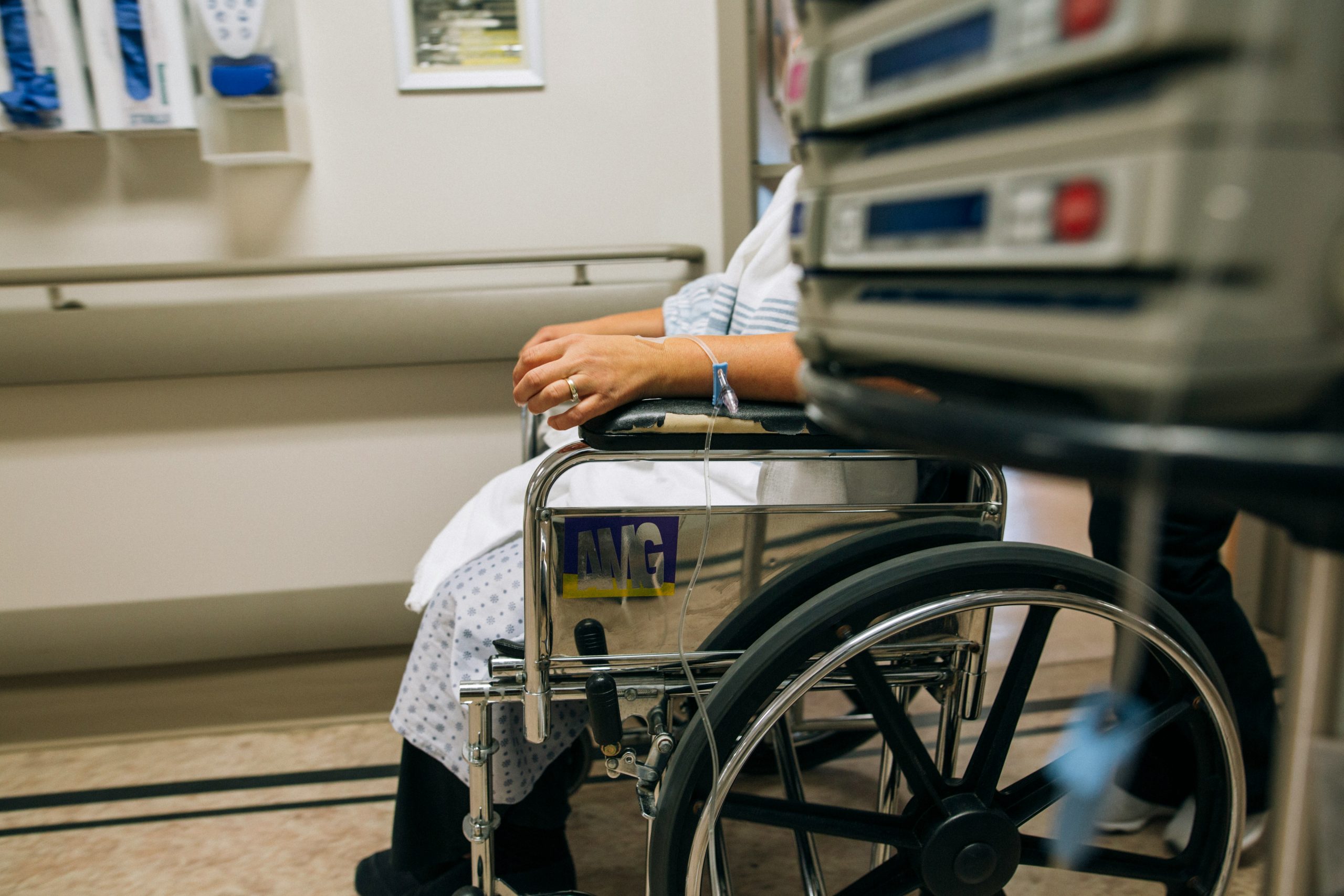
Then I remembered an incident from Robert’s final hospitalization. I had experienced a sudden spell of dizziness and weakness while visiting him. A nurse helped me into a wheelchair, and medical staff checked my vital signs.
Robert later assured me that everything was fine.
I had trusted him without question.
Now, I wondered whether that incident had any connection to the documents we had uncovered.
“Daniel,” I said, “I need you to bring me the envelope from my bedroom.”
He nodded.
“And every letter you can find in your father’s safe.”
“Of course, Mom.”
I looked out the hospital window.
For fifty years, I had believed I understood the most important things about my husband.
Now I was beginning to realize how much he might have kept from me.
The Letter Robert Left Behind
Daniel returned that evening with Sarah and a cardboard box filled with documents.
At the bottom lay the sealed envelope Robert had given me twelve years earlier.
My hands trembled as I opened it.
Inside was a handwritten letter.
I recognized his handwriting immediately, but the words seemed to belong to a stranger.
Robert explained that Project Margaret had begun as a research initiative involving long-term health monitoring and family medical information. He described his involvement as an attempt to contribute to work he believed could benefit others.
But the letter also revealed something far more personal.
He acknowledged that he had not fully explained the project to me.
He had convinced himself that he could spare me worry by keeping the details to himself. He intended, he wrote, to tell me more when the research had reached a point where he felt confident discussing its results.
That explanation did little to ease the hurt.
I had trusted Robert with my life. I had believed that the two of us made decisions together, especially when those decisions concerned our family.
Yet he had apparently made choices involving my name and medical information without ensuring that I understood what was happening.
