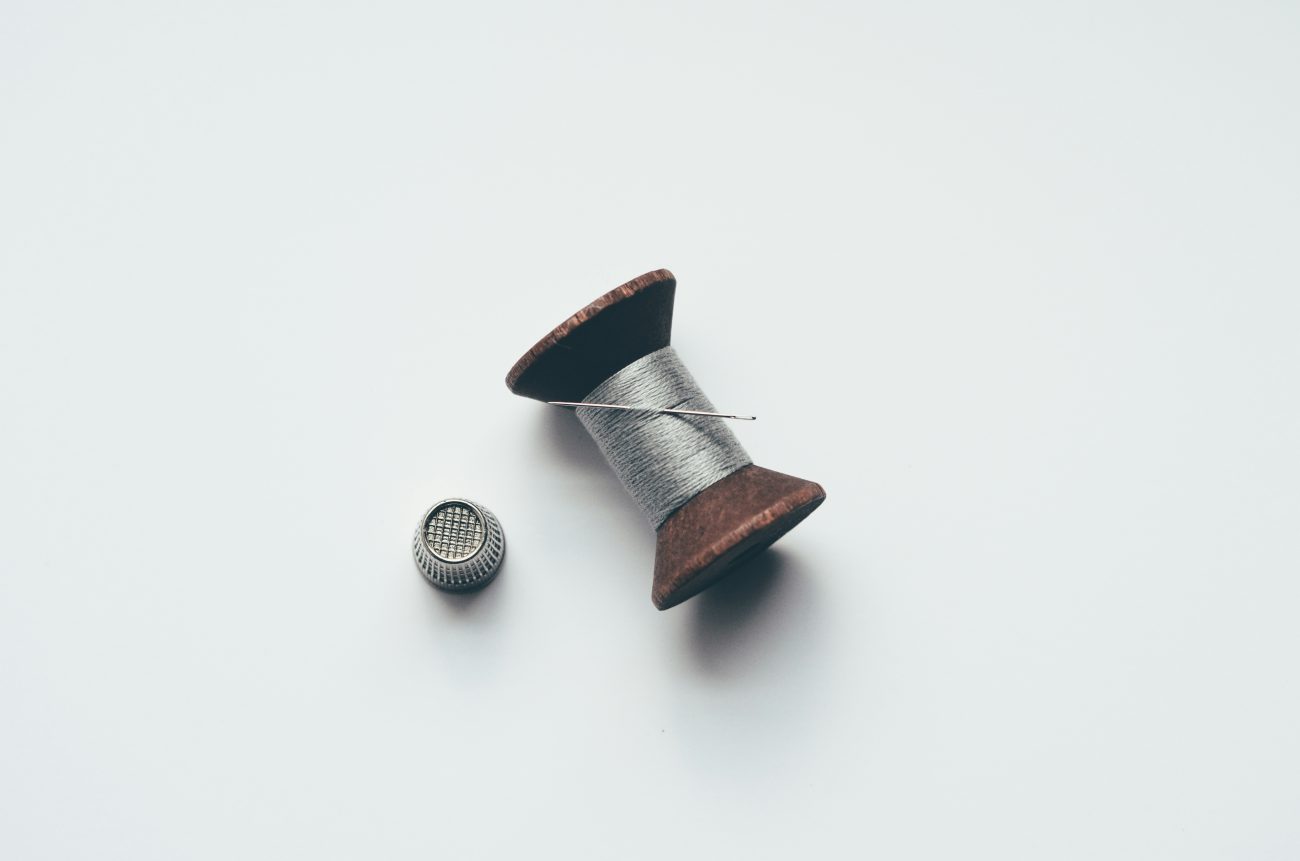
Found a Small Metal Cup With Tiny Dents in an Old Sewing Box? Here’s What It’s Actually For
Have you ever opened an old sewing box, moved aside a tangle of thread and a handful of buttons, and discovered a tiny metal cup covered with little dents?
At first glance, it might look like a miniature bottle cap or a small piece of metal that has no obvious purpose. But if it came from a traditional sewing kit, there’s a good chance you’ve found a sewing thimble—one of the most practical little tools people once kept in nearly every household.
A thimble may be small, but it has an important job. It protects the finger used to push a needle through fabric, making hand sewing safer and more comfortable. Those tiny indentations covering its surface aren’t decorative, either. They’re carefully designed to help keep the end of a needle from slipping when pressure is applied.
For generations, this simple accessory was a familiar part of everyday life. People used it to mend torn shirts, repair children’s clothing, sew buttons back onto coats, and complete countless other household tasks.
Today, many people rarely sew by hand, which means younger generations may not immediately recognize this little object. Yet the thimble remains a useful invention—and an interesting reminder of how much everyday life has changed.
What Is a Sewing Thimble?
A sewing thimble is a small protective cover worn on a finger while sewing by hand. It is usually shaped like a short cup, with an open bottom and a rounded or slightly flattened top.
Its main purpose is to protect the finger that pushes the needle through the fabric.
Anyone who has spent time hand sewing knows that pushing a needle through thick material can require considerable pressure. When working with denim, canvas, upholstery fabric, or several layers of cloth, the needle may resist moving through the material.
Without protection, the end of the needle can press painfully into the fingertip. A thimble creates a barrier between the needle and the skin, allowing the sewer to apply pressure more comfortably.
Traditional thimbles were commonly made from metal, including brass, steel, and silver. Modern versions are also available in plastic, leather, silicone, and other materials.
One of the most recognizable features of a traditional metal thimble is its pattern of tiny indentations. These small dents help catch and stabilize the blunt end of the needle as the wearer pushes it forward.
They are functional details, not simply decoration.
The word thimble also has an interesting history. It is generally traced to the Old English word þȳmel, associated with the thumb. Although modern sewers often wear thimbles on their middle fingers, the name reflects the tool’s long history and connection to finger protection.
Why Does a Thimble Have So Many Tiny Dents?
Those little indentations are probably the first thing people notice when they discover an old metal thimble.
They may look like a decorative pattern, but they serve a practical purpose.
When sewing, the needle is usually held between the thumb and index finger while the opposite end is pushed forward. The thimble-covered finger applies pressure to the needle.
The small indentations help prevent the needle from sliding sideways when it meets resistance. They provide multiple contact points, making it easier to control the needle during the pushing motion.
This is especially useful when sewing through thicker fabrics or several layers of material.
Over time, the surface of a frequently used thimble may show signs of wear. Some indentations can become smoother, and the metal may develop scratches, discoloration, or small marks from years of use.
