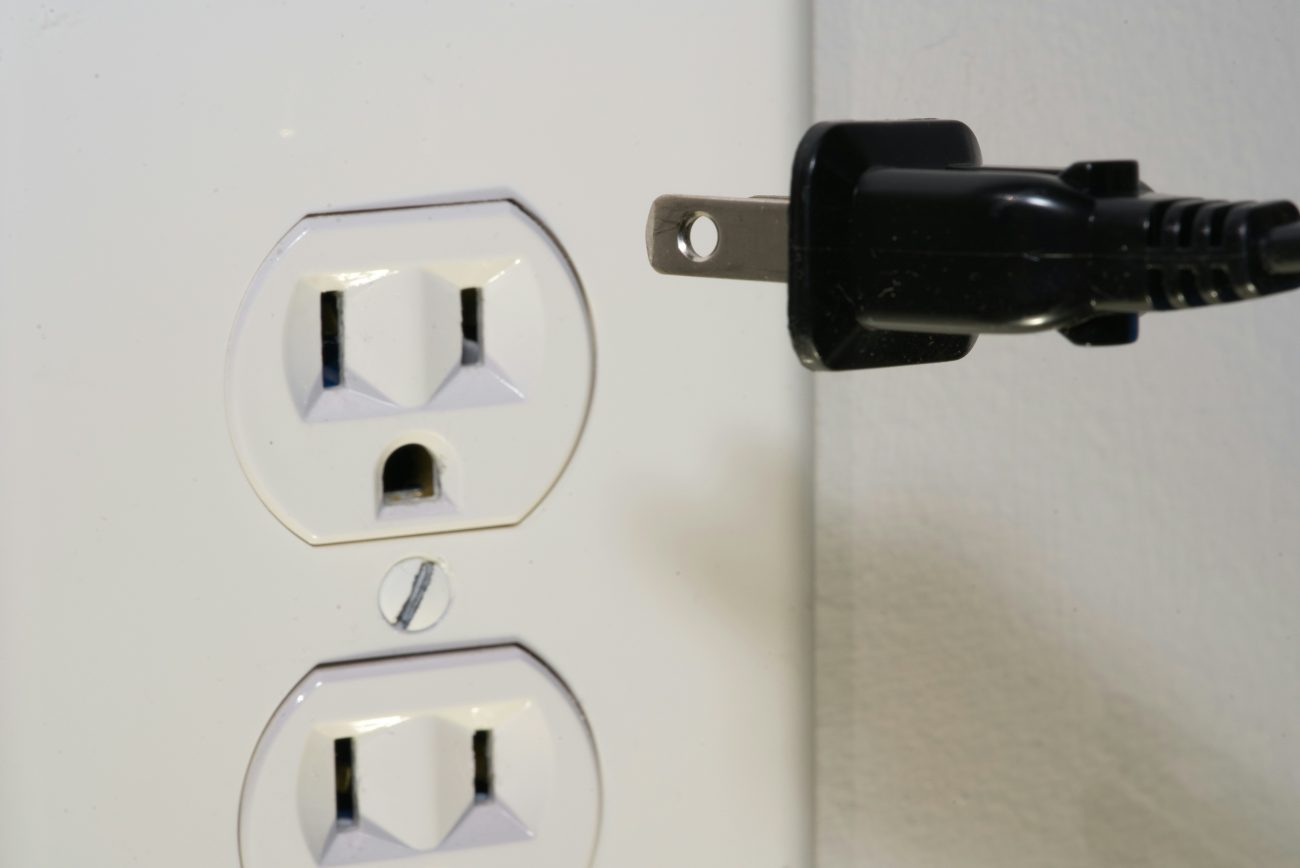
You switch off the television before going to bed, unplug your phone from its charger, and make sure the kitchen lights are off before leaving the house. It seems like you’re doing everything possible to avoid wasting electricity.
But there may be another source of energy consumption hiding in plain sight.
Some household electronics continue using electricity even when they appear to be switched off. Your television may be waiting for a signal, your coffee machine may be keeping its clock running, and your gaming console may be ready to turn on at the touch of a button.
This hidden consumption is known as standby power, sometimes called vampire power.
One device may use only a small amount of electricity, but several appliances left connected around the house can add to your overall energy consumption. Over time, that unnecessary usage may contribute to a higher electricity bill.
The good news is that reducing standby power doesn’t require expensive equipment or major lifestyle changes. A few simple habits can help you identify which devices are worth disconnecting and which should remain plugged in.
What Is Standby Power?
Standby power is the electricity an appliance consumes while it is not performing its main function but remains connected to the electrical supply.
In everyday language, it is the power used by devices that appear to be off but are still doing something in the background.
For example, a television may use electricity to receive signals from a remote control. A coffee machine might keep its digital clock operating. A gaming console may maintain a network connection or download updates while you’re not playing.
Some electronics also use power to preserve settings, remember programmed schedules, or return to operation quickly when you press a button.
This is why pressing the power button doesn’t always mean an appliance has stopped consuming electricity.
Some newer devices have very low standby consumption, while older electronics or equipment with additional connected features may use more. The actual amount depends on the appliance, its design, and its settings.
And because these devices are often left connected around the clock, even small amounts of consumption can accumulate.
Why Several Small Energy Users Can Affect Your Bill
Imagine having a television in the living room, a coffee maker in the kitchen, a gaming console in a bedroom, and several chargers connected around the house.
Individually, each device may consume very little electricity while idle. But when multiple appliances remain in standby mode day and night, their combined consumption can become more noticeable.
Energy-saving discussions sometimes cite standby power as accounting for as much as 10% of household electricity consumption. However, that figure should not be treated as a guaranteed percentage for every home.
Actual standby consumption varies depending on the number of connected devices, their age, their features, and how much time they spend waiting rather than operating.
A household with older electronics and several always-connected devices may have more standby consumption than one with newer, efficient equipment.
The important point is that electricity can be consumed even when nobody is actively using an appliance.
Understanding where that consumption occurs is the first step toward reducing it.
Which Appliances Are Worth Unplugging?
You don’t need to disconnect every appliance in your home. A more effective approach is to focus on electronics that are used occasionally or remain idle for long periods.
Here are some common places to start.
1. Phone Chargers and Battery Chargers
A phone charger can consume a small amount of electricity while plugged into an outlet, even when no phone is connected. The amount varies by charger design, and many modern chargers use very little power when idle.
