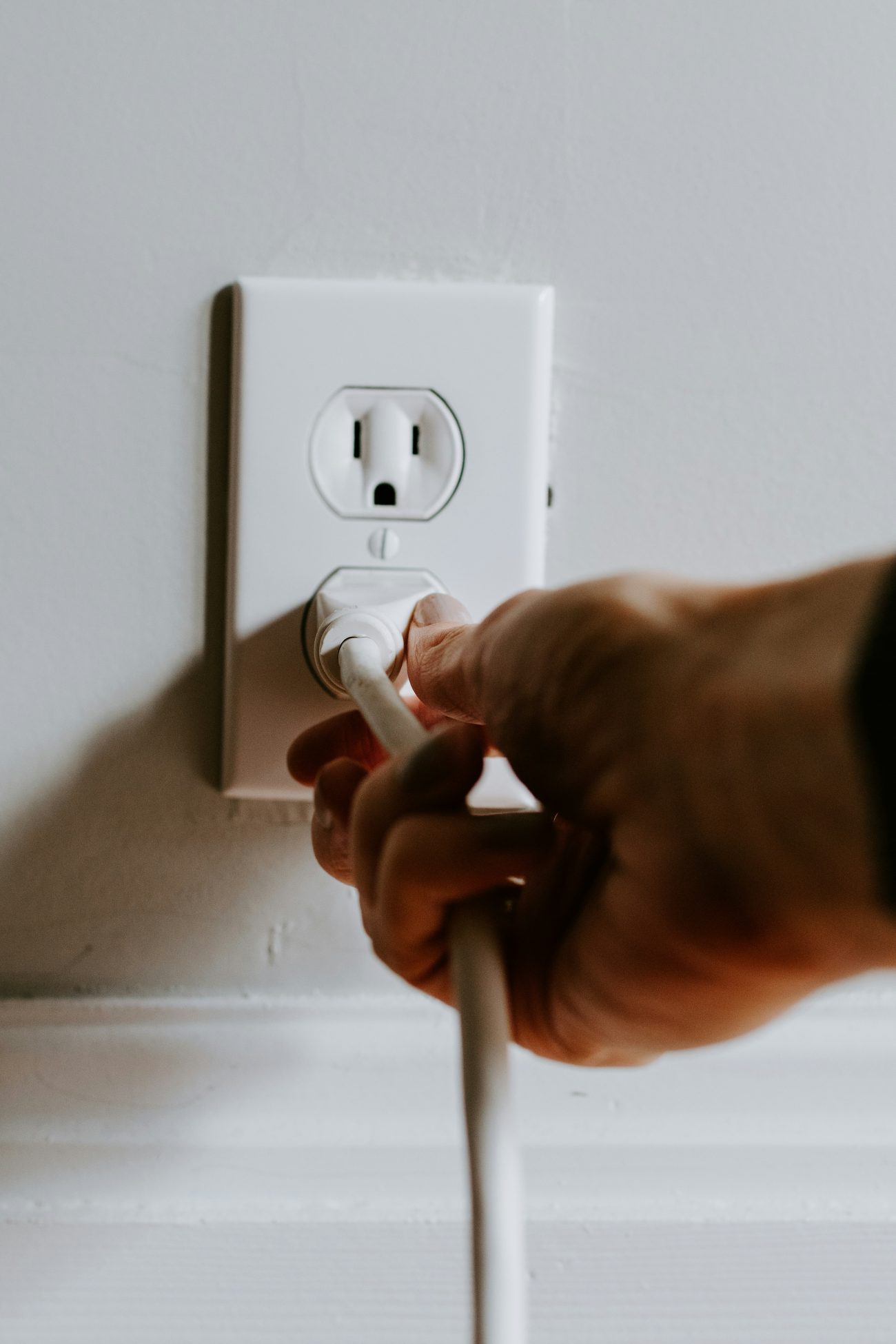
These Everyday Appliances May Be Raising Your Electricity Bill Even When They’re Turned Off
You switch off the television, finish making your morning coffee, and put your phone down to charge later. Everything appears to be off, so you assume your home isn’t using much electricity.
But some of the devices sitting around your house may still be drawing power.
This often-overlooked electricity consumption is known as standby power, sometimes called “vampire power.” It occurs when electronic devices continue using electricity even though they aren’t actively being used.
The amount consumed by one appliance may seem insignificant. However, when several devices remain connected throughout the day and night, their combined energy use can become noticeable.
Televisions, gaming consoles, coffee machines, computers, chargers, and other household electronics may use small amounts of electricity to keep internal settings, digital displays, timers, or communication functions operating.
According to the source information behind this topic, standby consumption can account for as much as 10% of household electricity use in some circumstances. That figure should not be treated as a guaranteed amount for every home. Actual consumption depends on the appliances, their age, their standby features, and how long they remain connected.
Still, the underlying point is worth understanding: an appliance doesn’t always need to be actively running to consume electricity.
Fortunately, reducing unnecessary standby consumption doesn’t require complicated equipment or expensive home improvements. A few practical changes can help you manage the devices that remain plugged in when you’re not using them.
What Is Standby Power, and Why Do Appliances Use It?
Many modern appliances are designed to remain partially active even after someone presses the power button.
For example, a television may appear to be switched off while remaining ready to receive a signal from its remote control. A coffee machine may keep a digital clock running. A gaming console may maintain a network connection or download updates while it is not being actively used.
These functions require electricity.
Some appliances also have electronic controls that need a small amount of power to preserve settings or remain ready for the next use.
This is why switching a device off doesn’t always mean that it has stopped consuming electricity completely.
There are several common reasons appliances use standby power:
- Remote-control readiness: Some televisions and entertainment systems remain ready to respond to a remote control.
- Digital displays: Clocks, timers, and indicator lights may stay illuminated.
- Network connections: Certain devices remain connected to the internet or a home network.
- Automatic updates: Some electronics can download software or system updates while inactive.
- Stored settings: Electronic controls may require power to preserve programmed functions.
Not every appliance uses standby electricity in the same way. Some modern devices consume very little, while others may use more depending on their features and design.
The important thing is to recognize that the small indicator light or digital clock on an appliance can sometimes represent ongoing electricity consumption.
Why Several Small Energy Users Can Add Up
Many homeowners focus on the electricity used by large appliances such as heating systems, air conditioners, washing machines, and refrigerators.
These devices can account for substantial household energy consumption.
However, smaller electronics are easy to overlook because they often remain connected all the time.
Consider a typical living room.
A household might have a television, streaming device, gaming console, sound system, wireless speakers, and several chargers connected to nearby outlets.
Even when nobody is watching television or playing games, some of those devices may remain in standby mode.
The same situation can occur in a kitchen, home office, or bedroom.
A coffee machine may display the time. A computer may remain in sleep mode. A printer may stay ready to receive a wireless printing request. Chargers may remain connected after a phone has been removed.
