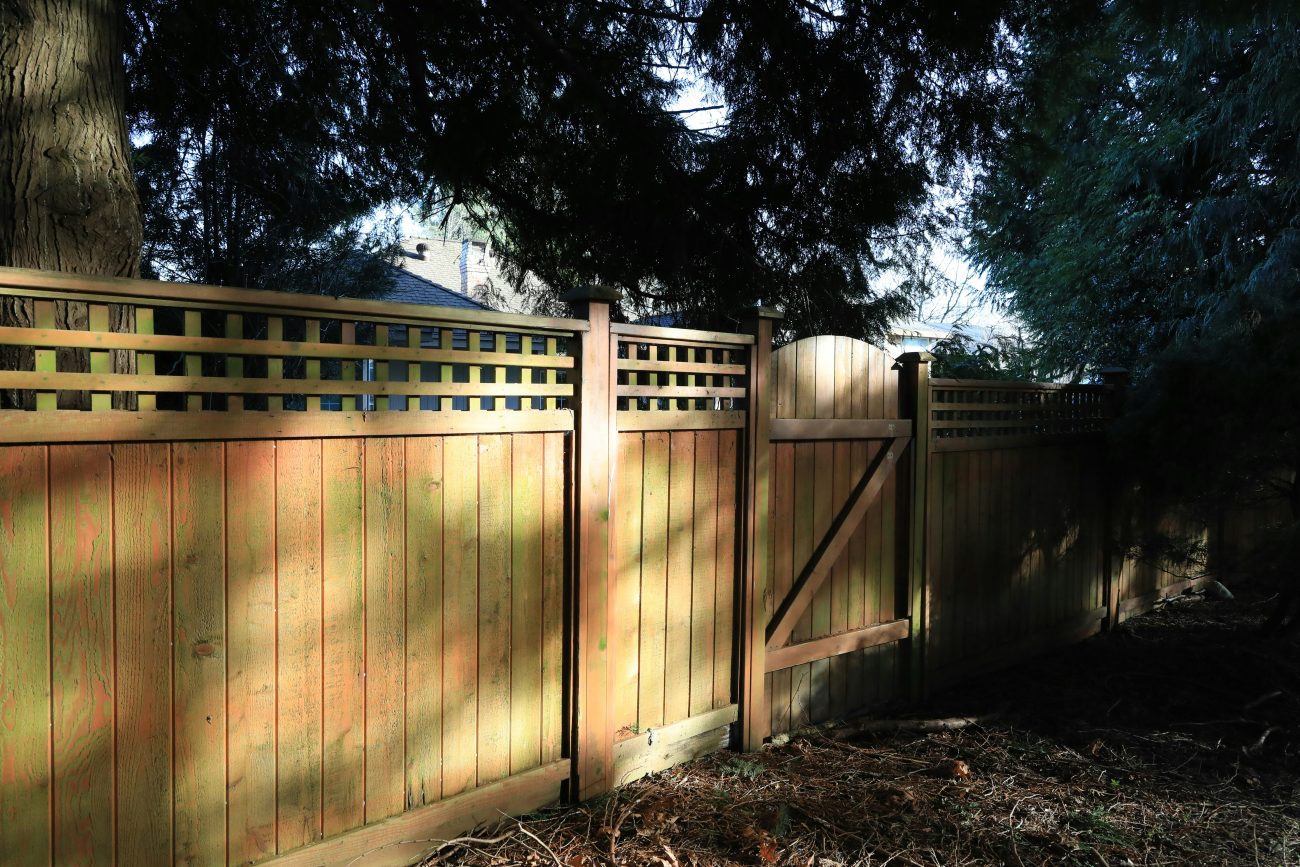
Which Side of the Fence Should Face Your Neighbor? The Common Backyard Dispute Homeowners Should Understand
A new fence is supposed to make a property more private, secure, and attractive. But before the first post is even installed, one surprisingly common disagreement can arise between neighbors:
Who should get the finished side of the fence?
In traditional fence designs, one side looks smooth and polished, while the other reveals the supporting posts, horizontal rails, and structural framework. That difference may seem minor, but it can quickly become a source of frustration when two homeowners have different expectations.
One neighbor may believe the attractive side should face the person next door as a simple gesture of courtesy. The other may argue that whoever pays for the fence should decide how it is installed.
Both perspectives can seem reasonable, particularly when no one has discussed the arrangement beforehand.
What makes the issue more complicated is that there isn’t one universal rule that applies to every property. Local regulations, homeowners association requirements, property boundaries, fence designs, and private agreements can all influence the decision.
Before starting a fencing project, homeowners should understand what is customary, what may be legally required, and how a simple conversation can prevent a disagreement from becoming a much bigger problem.
Why Do Fences Have Two Different Sides?
Many traditional wooden privacy fences are designed with one side that looks more finished than the other.
The finished side typically presents a relatively smooth surface, with the boards arranged to create a consistent appearance. The supporting rails and posts are hidden or less visible.
On the opposite side, the structural components are exposed. Depending on the design, someone looking at that side may see horizontal rails, vertical supports, brackets, and the framework holding the fence together.
<escape>This is sometimes described as the “good side” and the “bad side,” although those labels are simply informal descriptions of their appearance.</escape>
The difference exists partly because of how traditional fences are constructed. The framework provides the strength and stability needed to keep the fence standing, while the exterior boards create the privacy barrier and finished appearance.
For the homeowner installing the fence, the decision about which direction it faces can seem straightforward.
However, the person living next door may see things differently.
Imagine spending time in your backyard, looking toward a newly installed fence with exposed rails and posts. Meanwhile, the neighbor enjoys the smooth, attractive side from their patio.
Even if the fence serves its purpose perfectly, one homeowner might feel that the arrangement is unfair.
That is why the direction of the finished side is worth discussing before construction begins.
Should the Finished Side Face the Neighbor?
In many neighborhoods, homeowners follow a customary approach: the more attractive side of a traditional fence faces outward, toward the street or neighboring property.
This arrangement is often considered a polite and considerate choice because it gives the surrounding area a cleaner appearance.
It can also help maintain a more uniform look when several properties have fences along the same street.
However, a custom is not automatically a legal requirement.
Some homeowners choose to position the finished side toward their own yard because they want to enjoy the appearance of the fence from their patio, garden, or outdoor living space.
Others may have practical reasons for preferring a particular orientation, including the location of gates, access points, structural supports, or the design of the property.
The important distinction is between what people commonly expect and what the applicable rules actually require.
A neighbor may reasonably request that the finished side face their property, but that does not necessarily mean they have an automatic legal right to demand it.
