My Husband Tried to Control My Pension and the Farm I Inherited — But He Never Expected Me to Take Back My Independence
For thirty-one years, Joanne Kittle delivered mail along the rural roads of Arkansas. She drove through summer heat, winter rain, and the kind of early-morning cold that made her fingers ache around the steering wheel. She knew which dogs chased the postal truck, which farmers waved from their porches, and which older residents depended on her visits as much as they depended on their letters.
She had earned her retirement pension one working day at a time.
But somewhere along the way, her husband, Alden, had begun treating that money as though it belonged to him.
While he was away on a trucking run, Joanne discovered that a change had been made to the arrangements for her pension. She also began looking more carefully at the property she had inherited from her father: a farmhouse and forty acres of Arkansas land that she had always understood were hers alone.
What happened next was not a sudden act of revenge or an attempt to destroy her marriage. It was something much quieter.
Joanne decided that she would no longer ask permission to control what was legally hers.
And when Alden returned home expecting everything to be as he had left it, he found paperwork on the kitchen table that changed the conversation between them forever.
Thirty-One Years on the Rural Mail Route
Joanne had never considered herself a particularly remarkable woman.
She was sixty-eight, practical, and accustomed to doing what needed to be done without making a great deal of noise about it. For most of her adult life, her days had followed a dependable rhythm: early mornings, familiar roads, stacks of mail, and the steady responsibility of serving people who counted on her.
She had started delivering rural mail when she was young enough to believe that thirty years of work sounded almost impossible.
Over time, the route became part of her identity.
She knew the narrow driveways where the postal truck needed to slow down, the mailboxes that leaned after heavy storms, and the homes where someone might be waiting for an important letter.
She also knew how much effort went into earning a secure retirement.
Every paycheck, every year of service, and every contribution mattered. Her pension represented a lifetime of work, not a gift from her husband or a household allowance.
Alden had worked as a truck driver for much of their marriage. His job kept him away from home for long stretches, sometimes leaving Joanne to handle the farmhouse, the property, and the ordinary responsibilities that came with maintaining a rural household.
Their marriage had developed around those separate routines.
Alden drove. Joanne managed the home.
For years, that arrangement had seemed to work.
But after Joanne retired, the balance began to change.
Alden increasingly involved himself in decisions about her money. At first, it was presented as practical advice. He would ask why she had purchased something, question a withdrawal, or suggest that a particular expense could wait.
Eventually, the questions began to sound more like instructions.
He spoke as though the pension were a shared resource that he had the final say over.
Joanne tried not to turn every disagreement into an argument. She had spent decades keeping the peace in their household, and she was accustomed to considering Alden’s opinions.
But she had never agreed that her retirement income should be controlled by someone else.
The Farmhouse Her Father Left Behind
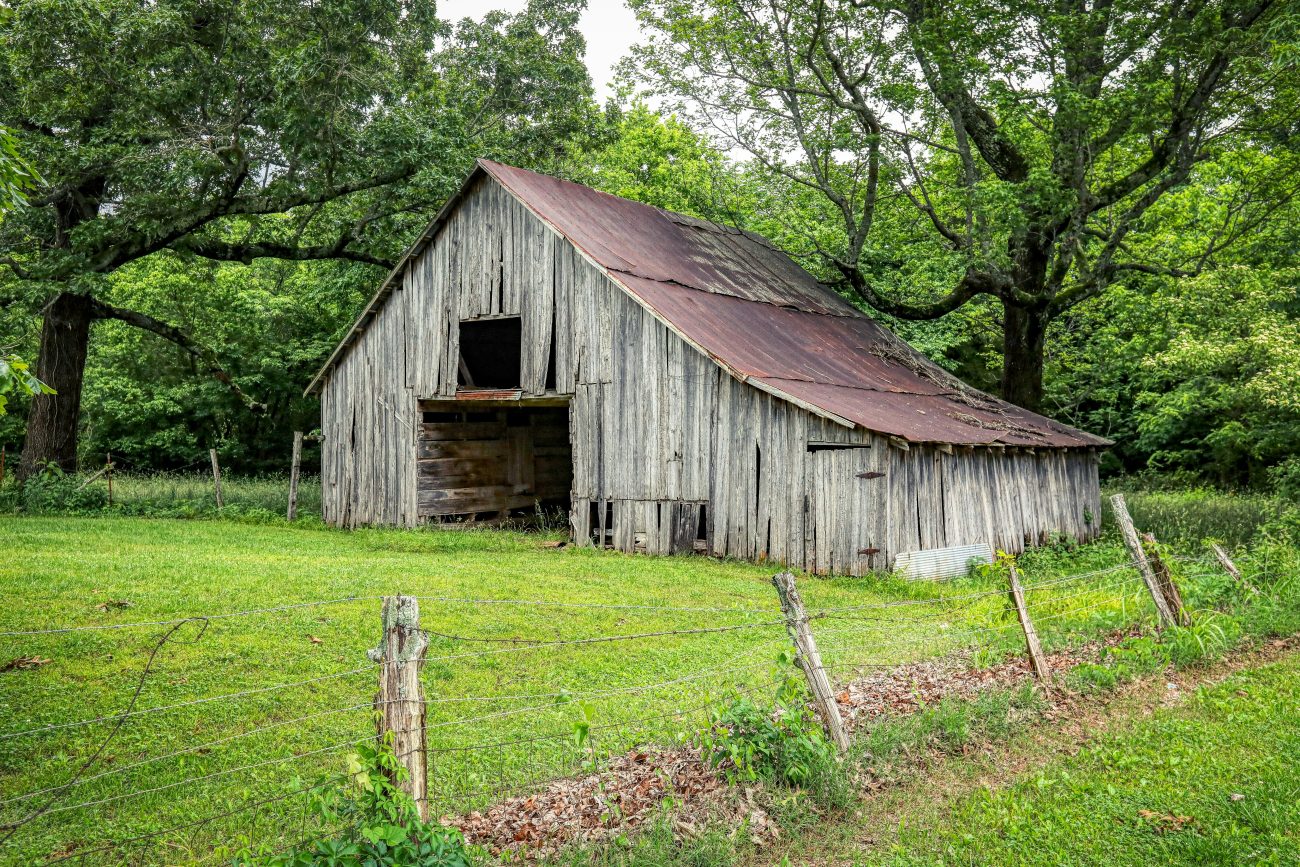
The farmhouse was more than a building to Joanne.
