My Ex-Husband Tried to Charge a $640,000 Necklace to My Company Card. Then I Discovered a $1.2 Million Payment Request
The morning my divorce became final, I expected to feel a mixture of relief, sadness, and uncertainty about what came next. I did not expect to discover that my former husband was still trying to spend money connected to my company—or that an attempted luxury purchase would lead me toward something far more troubling.
My name is Harper, and for twelve years, I had allowed Landon to enjoy a level of financial access that he had gradually come to treat as an entitlement. He had never worked for my company, owned shares in it, or held an official management position. Yet he carried one of its payment cards and had become accustomed to using it for travel and household expenses.
I had given him that access when we were married. Over time, I found it increasingly difficult to take it away.
Whenever I suggested separating our finances more completely, Landon accused me of treating our relationship like a business arrangement. He made me feel that setting boundaries meant I did not trust him. Eventually, I stopped pushing the issue.
But our marriage was over.
And that evening, I learned just how dangerous it can be when someone mistakes years of access for permanent ownership.
The $640,000 Charge That Changed Everything
I was sitting with my father, Martin Bell, when I received a notification about an attempted transaction.
The amount was staggering: $640,000.
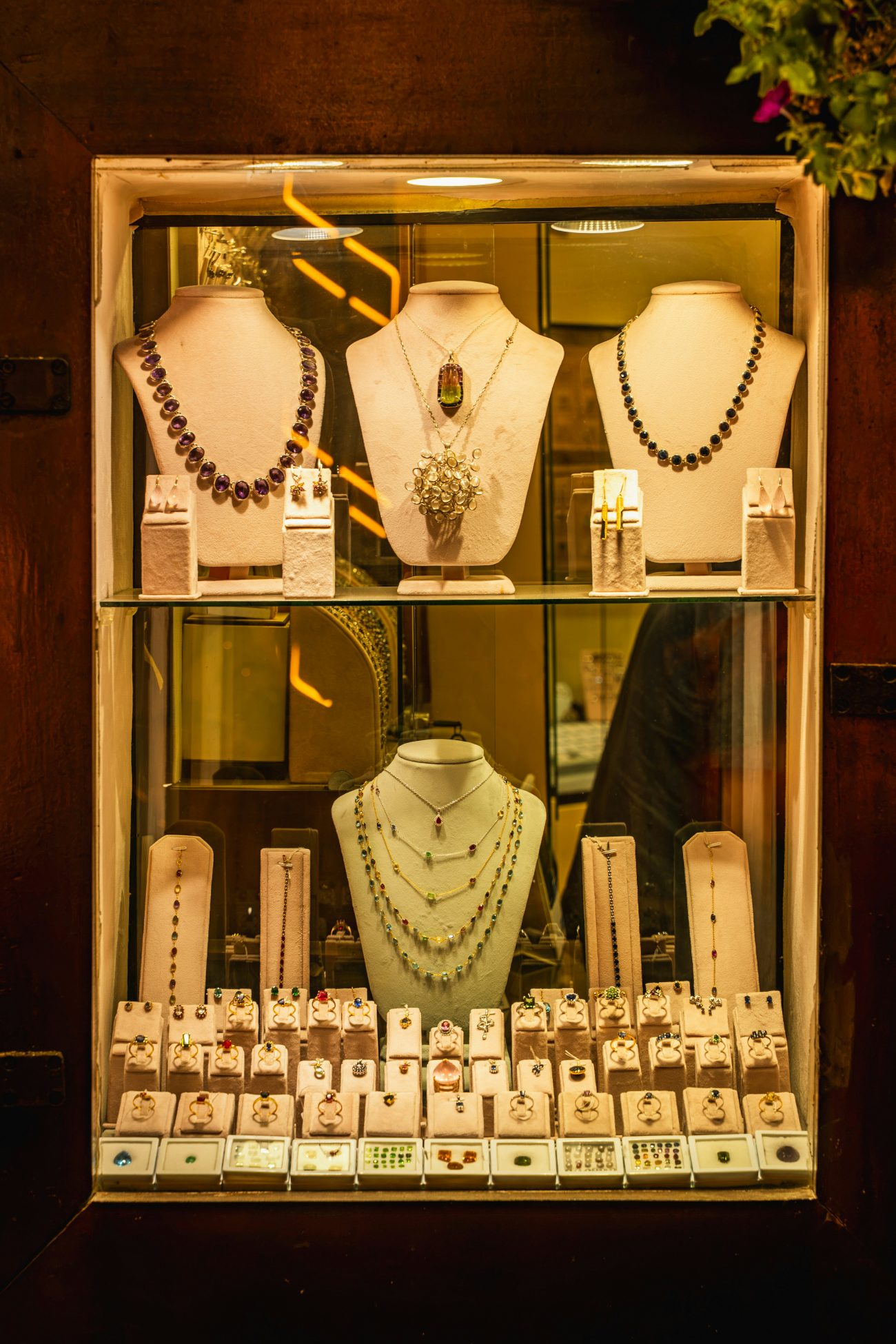
It appeared to be connected to a luxury necklace Landon had tried to purchase using a company card.
I turned my phone toward my father.
“He’s using the business card.”
Martin barely seemed surprised.
“Of course he is.”
I stared at him.
“Dad, my divorce became final this morning. How is he still able to use my company card?”
He leaned back in his chair.
“Because for twelve years, you allowed him to mistake having access for actually owning something.”
His answer hurt because there was truth in it.
Landon had never been an employee of my company. He had never been appointed a director, received company shares, or been granted official authority to approve payments. The card in his wallet had been provided as a convenience during our marriage, not as a permanent financial right.
Still, I had never completely removed his access.
I had changed account managers, introduced additional security measures, and separated certain expenses. But whenever I considered ending the arrangement altogether, Landon made it an argument about trust.
He would say I was treating him like an outsider. He would accuse me of being controlling. Sometimes, he would simply become angry until I gave up the discussion.
I had convinced myself that keeping the peace was easier than confronting the problem.
Now I was looking at a transaction that made that decision seem painfully foolish.
“Do you think he actually assumed the card would continue working?” I asked.
Martin shook his head slightly.
“People sometimes become so accustomed to receiving privileges that they stop asking whether they still have permission. They assume someone else will deal with the consequences.”
Before I could answer, my phone began ringing.
It was Landon.
“You Had No Right to Freeze My Card”
For twelve years, seeing Landon’s name on my phone had brought back familiar feelings: affection, frustration, arguments, apologies, anniversaries, and the hope that tomorrow would be better.
That evening, it represented something entirely different.
I imagined him standing inside an expensive jewelry store or luxury boutique, surrounded by people, discovering that a card he had expected to work was being declined.
