I answered.
“What have you done?” he demanded.
There was no greeting, no question about how I was feeling, and certainly no acknowledgment that our divorce had become final that morning.
Behind his voice, I could hear music, glasses clinking, and someone complaining about the delay.
“I changed my PINs,” I replied.
“You had absolutely no right to freeze my card!”
“It’s a company card, Landon. You don’t work for my business, and you don’t have authorization to use it.”
He paused.
Then came the laugh I knew so well.
It was the laugh he used whenever he wanted me to believe I was being unreasonable. For years, it had been enough to make me question myself.
“Come on,” he said. “Don’t be ridiculous. I’ve carried that card in my wallet for years.”
“And now you no longer have permission to use it.”
“You’re making me look like an idiot in front of everyone.”
I glanced at my father. He remained silent, watching me.
For the first time in a long while, I did not feel responsible for protecting Landon from the consequences of his own decisions.
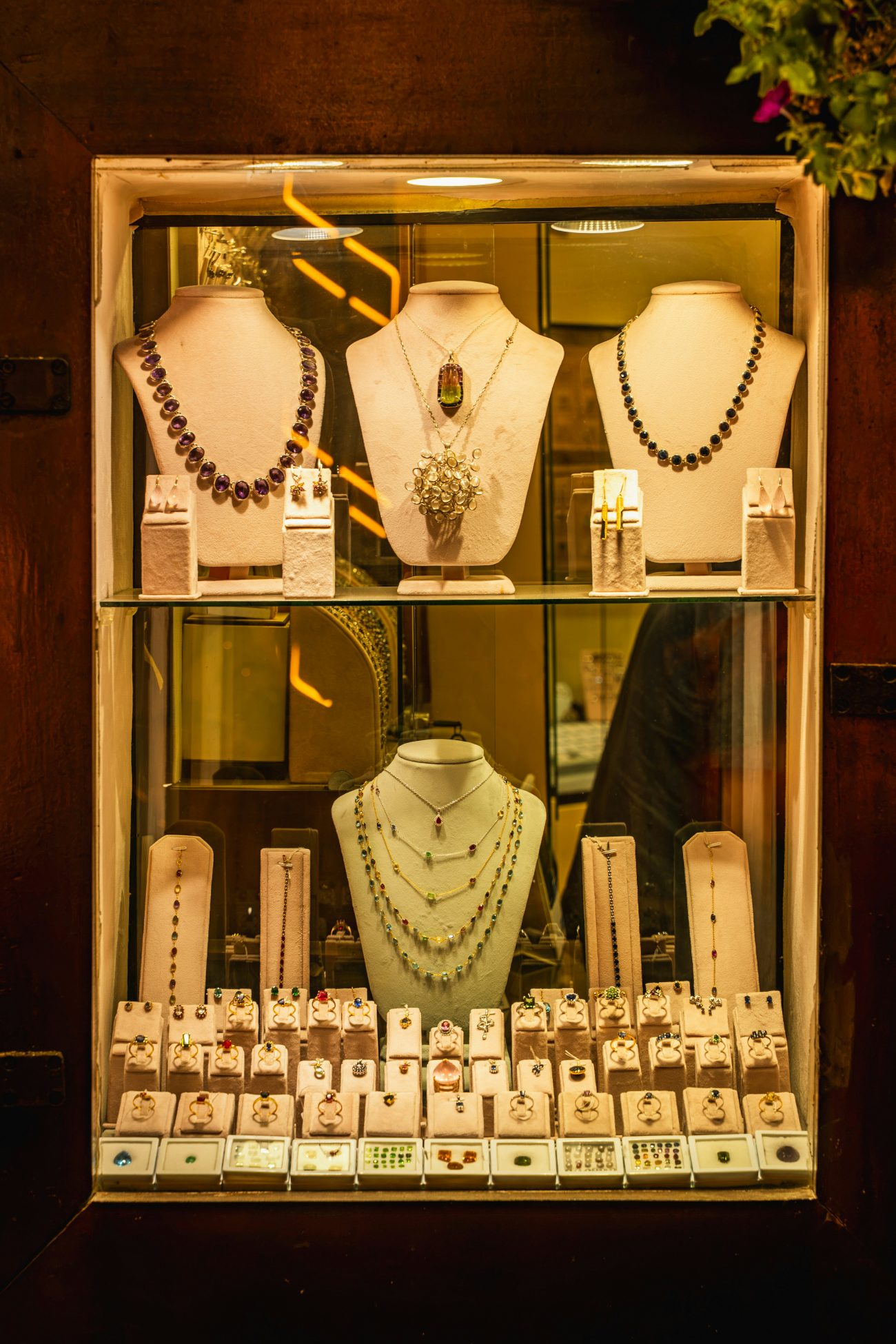
“Maybe you should have thought about that before attempting to charge a $640,000 necklace to my company.”
The silence was immediate.
“How did you find out about that?”
“The bank sent me a transaction notification.”
“Harper, you’ve got this completely wrong.”
“Then explain it.”
His voice softened.
“Tessa wanted to look at the necklace. I was only going to have them reserve it. The card was already saved in their system. I never thought—”
“You never thought the card might stop working after our divorce?”
“Stop making everything sound worse than it is! You know I would never steal from you.”
I almost laughed.
Not because the situation was funny, but because of the contradiction.
For years, Landon had accused me of being suspicious whenever I asked questions about money. He had made me feel guilty for wanting clearer boundaries and more transparency.
Now he expected me to accept that an attempted $640,000 purchase was simply an innocent misunderstanding.
I took a breath.
“Landon, you have until tomorrow morning to return every company card, key, document, and device that belongs to my business. My attorney will contact you about anything else.”
“You can’t do that.”
“I’ve already done it.”
Then I ended the call.
The Cost of Keeping the Peace
My hands were shaking.
My father moved his coffee cup closer to me.
“Drink some.”
“I feel like I’m going to be sick.”
“I understand.”
“He sounded furious.”
“Of course he did,” Martin replied. “He’s used to you being afraid of his anger.”
I looked down at the divorce papers resting beside my phone.
For years, I had imagined that ending my marriage would be painful because I would be losing someone I loved. I had prepared myself for loneliness, difficult conversations, and the emotional adjustment of building a life without Landon.
What I had not anticipated was how difficult it would be to recognize the person I had become during those twelve years.
I had gradually learned to avoid certain conversations. I had accepted explanations that did not satisfy me. I had allowed financial arrangements to continue because challenging them seemed more exhausting than tolerating them.
I had called it compromise.
Sometimes, it had been fear of another argument.
That realization was difficult to accept, but it also made one thing clear: I could not continue managing my company as though Landon’s reactions were more important than its security.
I needed proper boundaries, not another temporary adjustment.
I thought the failed necklace transaction would be the end of the evening’s problems.
