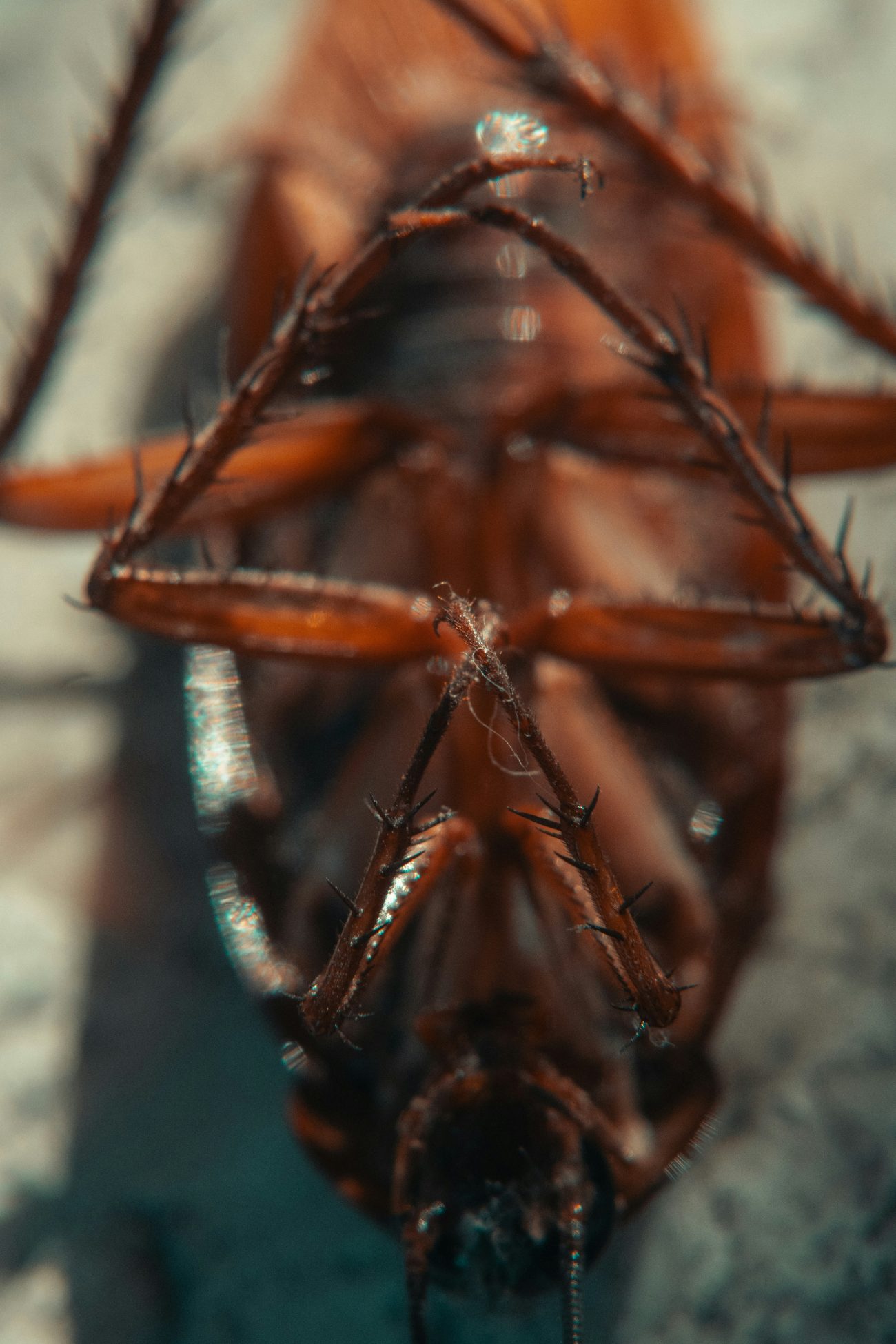
House Centipedes Look Terrifying, but They May Be Hunting the Pests You Don’t Want in Your Home
The first thing you notice is the speed.
Not the ordinary movement of an ant crossing the kitchen counter or the clumsy flutter of a moth circling a light. This creature moves so quickly that your eyes barely have time to follow it. One moment the floor is empty. The next, something with an astonishing number of legs is racing toward the nearest dark corner.
It is enough to make almost anyone jump.
That was exactly what happened to me.
I had gotten out of bed around two in the morning to get a glass of water when I noticed something moving near the bathroom doorway. At first, I thought it was a spider. Then I wondered whether it might be some unusual kind of cockroach.
But when it stopped beneath the hallway light, I could finally see what I was looking at.
A long, narrow body. Two extremely long antennae. Thin, striped legs extending from both sides.
A house centipede.
I froze.
There is something about seeing one of these creatures unexpectedly that makes it difficult to react calmly. Even people who generally tolerate insects can find themselves reaching for a shoe or looking for something to trap it under.
Yet the surprising truth is that house centipedes are not necessarily the household enemies they appear to be. They are predators that feed on other small creatures, including several insects and arthropods that homeowners would much rather keep out of sight.
In fact, the unsettling creature racing across your bathroom floor may be hunting some of the pests you have been trying to eliminate.
What Exactly Is a House Centipede?
The common house centipede, scientifically known as Scutigera coleoptrata, is one of the most recognizable centipedes found inside buildings.
Its appearance is unusual even by the standards of the insect world.
An adult typically has 15 pairs of long, slender legs, along with two elongated antennae. Its body is usually grayish-yellow or brownish, with three darker stripes running along its back. The legs have alternating light and dark bands, creating the impression of an animal with far more legs than could possibly be coordinated.
The body itself is relatively small, but the long legs and antennae make the animal appear much larger.
And then there is the movement.
House centipedes are exceptionally fast. They can race across floors, climb walls, and disappear into narrow gaps before someone has time to decide what to do. They may also stop suddenly, remain motionless, and then shoot off in another direction.
That unpredictable behavior is a major reason people find them so frightening.
Unlike many insects that move in a relatively steady, easy-to-follow way, a house centipede can seem to change direction almost instantly. When someone turns on a bathroom light in the middle of the night, the creature may suddenly dash toward a shadow or underneath nearby furniture.
It can look as though it is running directly toward a person, but that does not necessarily mean it is attacking. More often, it is trying to escape and find shelter.
Why Do House Centipedes Appear in Bathrooms and Basements?
If you have ever encountered a house centipede near a bathtub, sink, basement wall, or laundry area, there is a reason.
These creatures prefer dark, sheltered environments where moisture and prey are available.
Bathrooms, basements, crawl spaces, storage rooms, and other relatively humid areas can provide suitable hiding places. During the day, house centipedes typically remain concealed in cracks, crevices, and other protected spaces. They become more active at night, when they search for food.
