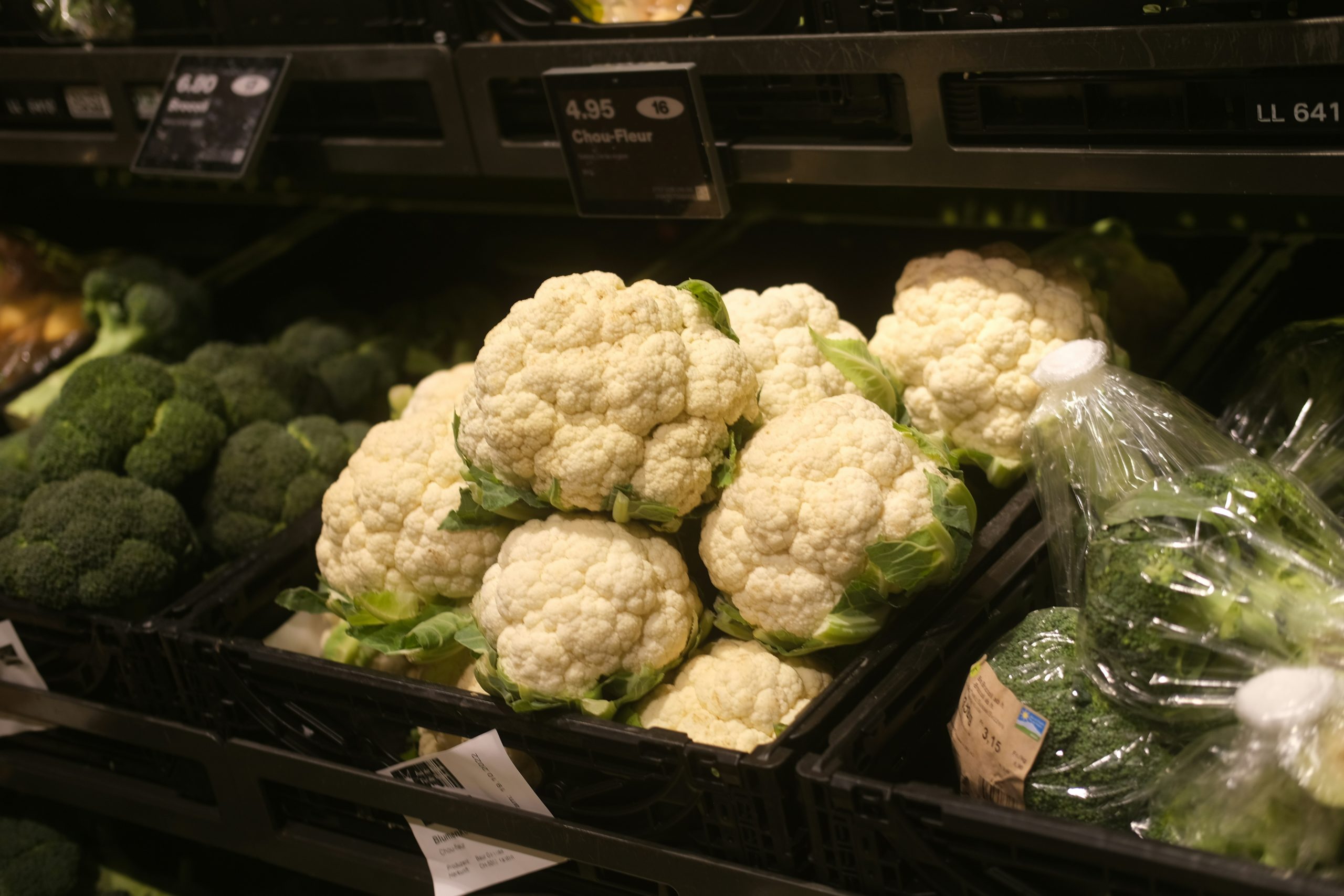
Buying fresh vegetables is part of the weekly routine for millions of households. Broccoli is especially popular because it is versatile, easy to prepare, and works in everything from salads and soups to roasted side dishes and quick weeknight dinners. Packaged broccoli makes shopping even more convenient, allowing customers to bring home ready-portioned vegetables without spending time selecting individual heads.
But convenience does not mean shoppers should skip a quick inspection.
A shopper recently shared an account of finding something unusual inside a bag of broccoli purchased at Aldi. The discovery attracted attention and raised familiar questions about what can occasionally make its way into packaged produce before it reaches a customer’s kitchen.
The available account does not establish exactly what the shopper found, and there is no confirmed information showing whether the discovery involved an insect, plant material, or another foreign object. It would therefore be premature to identify the material or suggest that the incident points to a wider problem with Aldi’s produce.
Still, the situation highlights an important issue for anyone who regularly buys fresh vegetables: produce comes from agricultural environments, and even after harvesting, cleaning, inspection, and packaging, occasional imperfections can occur.
Knowing how to inspect vegetables, what to do when something looks unusual, and when to contact a retailer can help consumers respond sensibly without unnecessary alarm.
Why Something Unexpected Can Be Found in Packaged Broccoli
Unlike many processed foods, fresh vegetables begin their journey outdoors.
Broccoli grows in fields where it is exposed to changing weather, soil, insects, and other natural conditions. Its structure also makes thorough inspection more challenging than it might appear.
The tightly clustered florets create numerous small spaces where tiny insects, pieces of leaves, soil, or other natural debris may become trapped. Even when vegetables are harvested carefully, some material can remain hidden within the head.
This does not automatically mean that the produce has been handled improperly.
Commercial suppliers generally use procedures designed to remove dirt and unwanted material before vegetables are packaged and distributed. Depending on the product and processing operation, these procedures may include washing, trimming, sorting, visual inspection, and other quality-control measures.
However, no inspection system can guarantee that every individual piece of produce will be completely free of imperfections.
A small insect hidden between florets, for example, may be difficult to notice during routine handling. Similarly, a piece of plant material may resemble part of the vegetable itself.
The important distinction is between an occasional natural imperfection and evidence of a genuine food-safety problem. The two should not automatically be treated as the same thing.
Why Broccoli Can Be Difficult to Inspect
Broccoli has a distinctive shape that makes it nutritious and useful in the kitchen, but that same structure can make inspection more complicated.
The edible head consists of many small flower buds arranged in tightly packed clusters. These clusters create spaces that are not always visible from the outside.
An insect or small piece of debris may be concealed deep between the florets, particularly if the vegetable has not been separated before packaging.
The stems can also have uneven surfaces and small crevices where dirt may collect.
For this reason, looking at the outside of a broccoli head is not always enough. Separating the florets and examining them more closely can reveal material that would otherwise remain hidden.
This is especially useful when preparing broccoli for children, older family members, or anyone who may have difficulty identifying or removing small unwanted pieces while eating.
It is also worth remembering that finding an insect or a small amount of natural debris does not necessarily mean the entire package is unsafe. The appropriate response depends on what was found, whether the vegetables show signs of spoilage, and whether there is any reason to suspect contamination.
What Should You Do If You Find Something Unusual?
Discovering an unfamiliar object in a package of vegetables can be unpleasant. The first reaction may be to throw everything away or immediately assume that the food has been contaminated.
