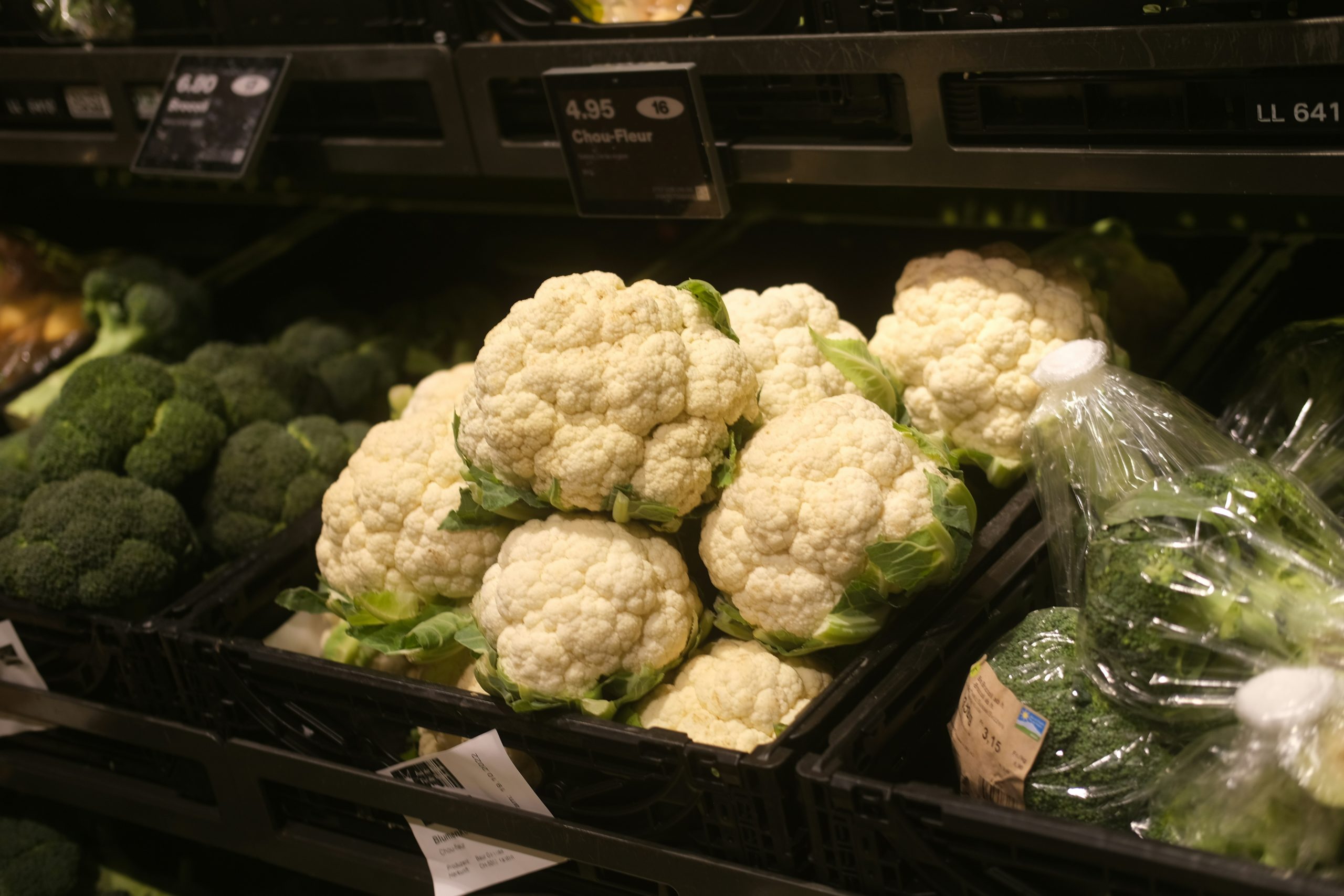
A more useful approach is to pause, avoid eating the affected portion, and establish what happened as carefully as possible.
Here are several practical steps consumers can take.
1. Stop Preparing the Affected Vegetables
If you notice something unusual inside a bag of broccoli, do not continue preparing or eating the affected portion until you understand what it is.
If the object appears sharp, chemical, or potentially hazardous, avoid handling it directly. Keep children and pets away from it.
There is no need to taste an unfamiliar substance to identify it.
2. Keep the Packaging
The original packaging may contain information that becomes important if the retailer or manufacturer needs to investigate.
Try to retain:
-
The product name and brand.
-
The barcode or product identification number.
-
The batch or lot number, if available.
-
The use-by or best-before date.
-
The purchase date and store location.
This information can help the company identify the product and determine whether other packages from the same production batch may be affected.
3. Take Photographs
If it is safe to do so, photograph the object and the surrounding vegetables.
A clear picture can help customer-service representatives understand the complaint before the product is collected or examined. Photographing the packaging and its identifying information can also be useful.
Avoid moving or touching an object unnecessarily just to obtain a better photograph.
4. Contact the Retailer or Manufacturer
Customers can report the discovery to the supermarket where the product was purchased or contact the manufacturer listed on the packaging.
Provide a straightforward description of what happened, including when and where the product was bought.
If the material is unidentified, say so rather than guessing. An accurate description is more useful than an unsupported explanation.
The retailer may offer a refund or replacement, request additional photographs, or refer the complaint to the supplier.
5. Report a Potential Food-Safety Concern
If the object appears to be glass, metal, hard plastic, or another potentially dangerous foreign material, the issue may warrant more than a routine customer-service complaint.
Consumers can seek guidance from the relevant food-safety authority in their country. If there is a suspected contamination issue affecting multiple products, reporting it may help authorities or businesses determine whether further investigation is necessary.
The key is to distinguish what is actually known from what is only suspected.
How to Wash and Inspect Broccoli Before Cooking
Even when vegetables look clean, washing them before preparation is a sensible food-handling habit.
The U.S. Food and Drug Administration recommends washing fresh fruits and vegetables under running water. This helps remove dirt and some surface contaminants that may remain after harvesting and handling.
For broccoli, a careful inspection and washing routine can be particularly useful.
Start by examining the head. Look at the florets, stems, and areas where the clusters meet. Check for discoloration, visible insects, dirt, or unusual material.
Separate the florets. Breaking the head into smaller pieces makes it easier to inspect the spaces between the buds. It also allows running water to reach more of the vegetable’s surface.
Rinse under clean, running water. Gently move the florets around so water can reach different areas. If dirt is visible, use your fingers to remove it while rinsing.
Inspect the stems. Pay attention to small crevices and uneven surfaces where soil or debris may collect.
Use clean preparation equipment. Wash cutting boards, knives, countertops, and utensils after handling raw ingredients. This helps reduce the risk of cross-contamination.
One important rule is often overlooked: vegetables should not be washed with dish soap, detergent, bleach, or household cleaning products. These substances are not intended for washing food and may leave harmful residues.
Does Washing Remove Every Possible Hazard?
No. Washing is helpful, but it is not a guarantee that produce is completely free of microorganisms or other hazards.
