The Hidden Details in Historical Photographs That Make Ordinary Moments Fascinating Today
A photograph can preserve far more than a single moment. It can capture the appearance of a neighborhood, the clothing people wore, the objects they used, and the everyday experiences that shaped their lives. Long after the people in the picture have passed away and familiar places have changed, the image remains a visual connection to another time.
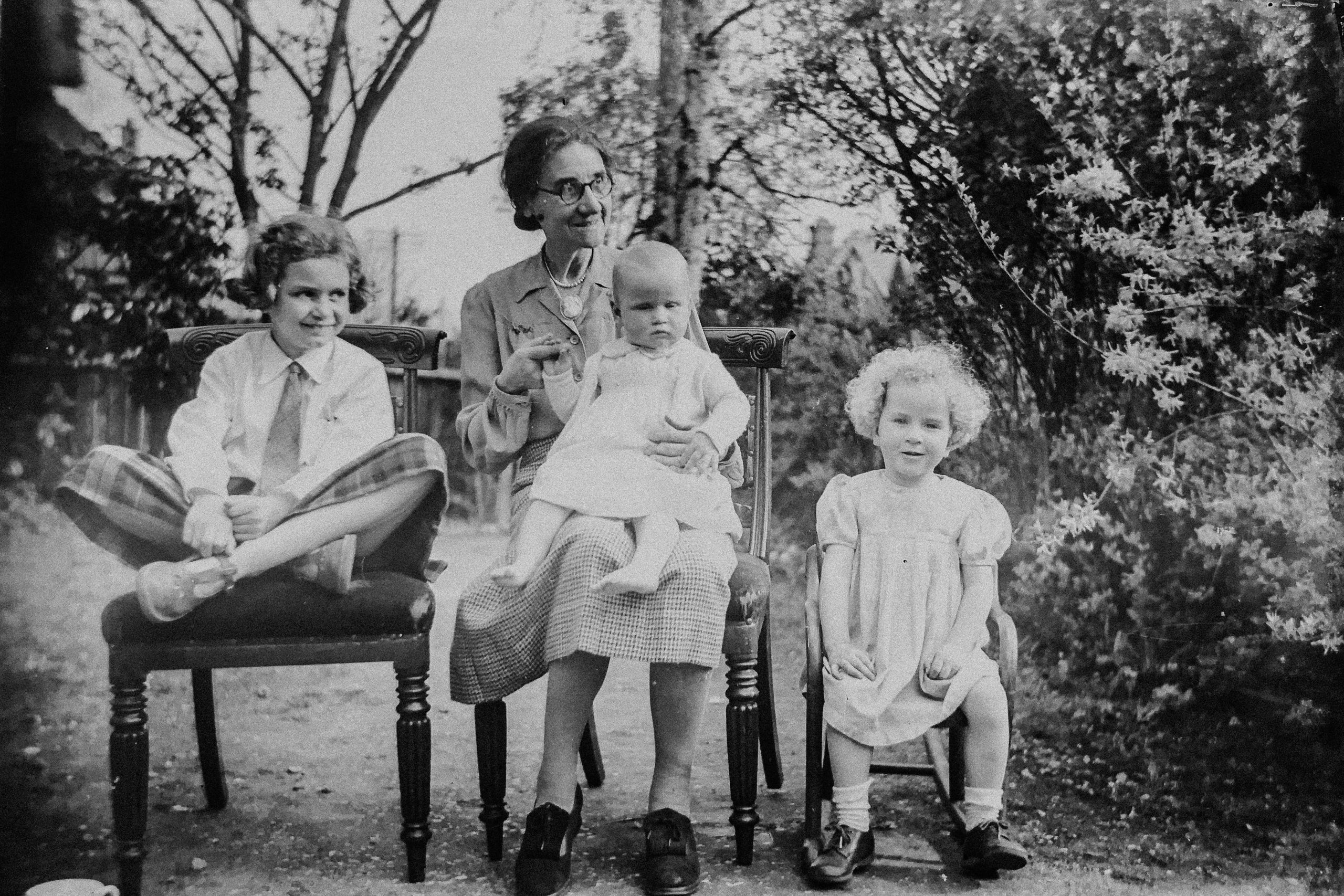
Some historical photographs become famous because they document major events. Others attract attention for a different reason: they reveal unexpected details about ordinary life. A crowded street, a family standing outside its home, a group of workers gathered around a building, or a seemingly simple social gathering can become a fascinating historical record when viewed many years later.
At first glance, these images may appear unremarkable. Yet spending a little more time examining them can reveal details that tell us much more than the photographer may have intended.
A hairstyle, an unfamiliar household object, an old vehicle, or an architectural feature can provide clues about the period in which a picture was taken. Even the way people stand, interact, or look toward the camera can offer interesting insights into the customs and social expectations of their time.
This is what makes historical photography so captivating. A single image can encourage countless questions, inviting viewers to look beyond what is immediately visible and explore the world that existed when the photograph was created.
But what makes an ordinary photograph become an object of lasting historical interest? And why do certain images continue to capture the attention of people across different generations?
The answers often lie in the small details.
1. The Power of an Ordinary Moment
One of the most interesting aspects of historical photography is that many important images were never originally intended to become historical treasures.
Before photography became widely accessible, taking a picture required more preparation than it does today. Cameras were often expensive, equipment could be cumbersome, and capturing an image sometimes involved considerable time and technical knowledge.
As a result, people frequently treated photography as a special activity.
Families might visit a professional photographer to have their portraits taken. Businesses could commission photographs to document their buildings or employees. Newspapers and magazines used photographs to illustrate important developments, while travelers sometimes recorded unfamiliar places and experiences.
Yet some of the most interesting photographs are those that document everyday situations.
A photograph of a market, for example, may preserve the appearance of products that were once commonly sold but have since disappeared. A picture of a neighborhood could reveal how houses were arranged, what types of transportation people used, and how public spaces were designed.
Even an image of a family gathering can tell a story about social relationships, clothing traditions, household arrangements, and changing expectations.
These ordinary moments become valuable because they preserve details that written records may overlook.
Official historical documents often focus on major events, political decisions, economic developments, and prominent individuals. Photographs provide another perspective by showing how historical periods appeared in everyday life.
A simple street scene might reveal the physical environment of a community in a way that a written description cannot fully reproduce.
That is why historians, researchers, collectors, and photography enthusiasts continue to study images that might initially seem ordinary.
2. Clothing Provides Clues About the Period
One of the first things people often notice when examining an old photograph is the clothing.
Fashion changes over time, and certain styles become strongly associated with particular decades or cultural movements. Clothing can therefore provide useful clues when trying to understand when and where an image may have been taken.
