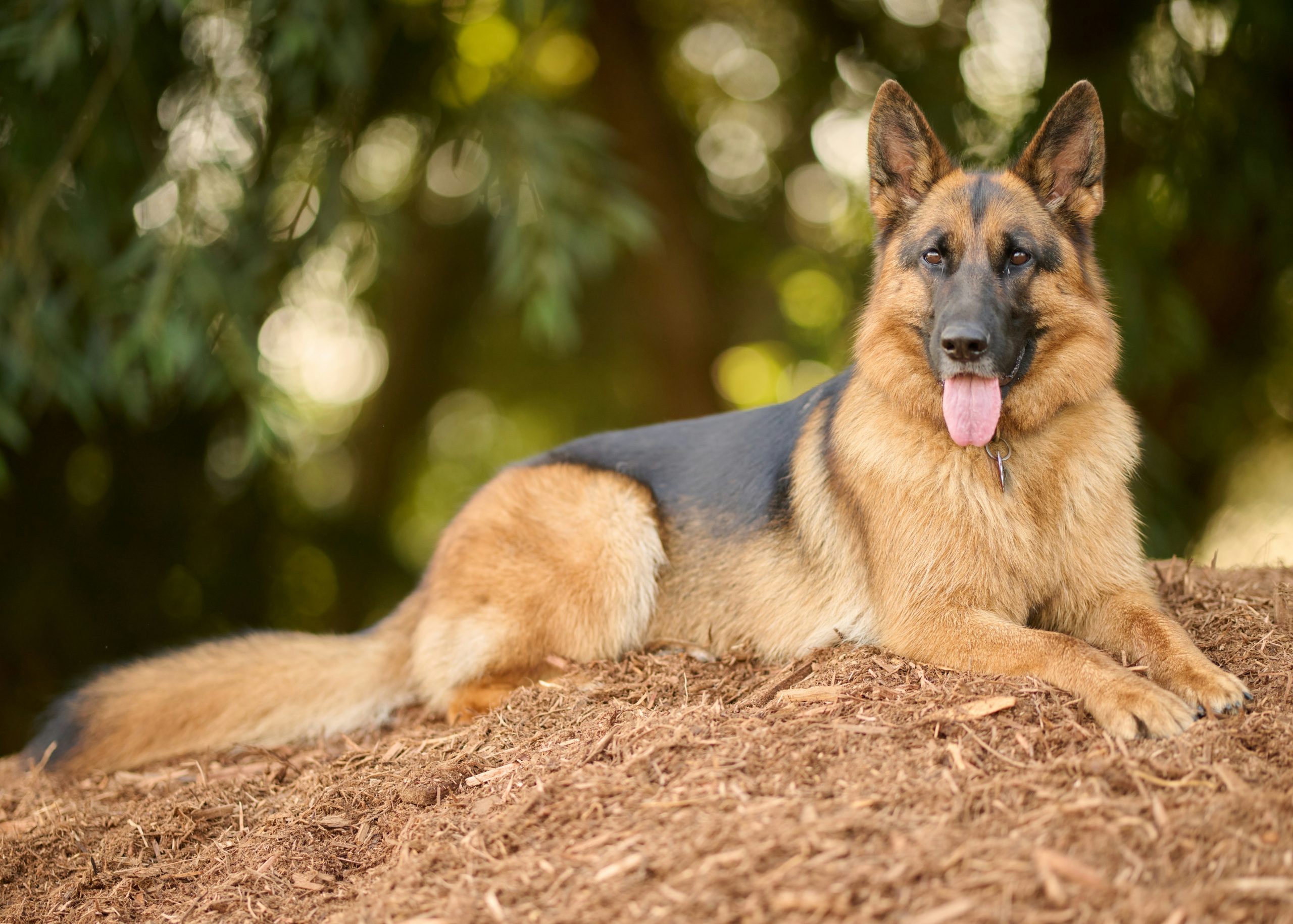
Some relationships are built over years of shared experiences, trust, and countless moments that outsiders may never fully understand. For police officers who work alongside K9 partners, that connection can become an especially important part of daily life. These dogs are more than working animals. They are trained partners who accompany their handlers through demanding situations, respond to commands under pressure, and depend on the people responsible for their care. A story about a former police officer requesting one final meeting with his German Shepherd before sentencing captures the emotional significance such a bond can hold. It also raises questions about loyalty, responsibility, and the lasting connection between humans and animals.
A Courtroom Filled With Uncertainty
A courtroom can be an intimidating place, particularly when someone is waiting to hear a sentence that may change the course of their life.
Legal proceedings often follow established routines. Attorneys review documents, judges consider the evidence and applicable law, and everyone present waits for decisions that can have lasting consequences.
Yet the emotional atmosphere of a sentencing hearing can extend beyond the formal legal process.
For the person facing sentencing, the moment may bring uncertainty about the future, separation from loved ones, and reflection on decisions that led to the courtroom.
Family members may experience their own mixture of concern, sadness, and frustration. Others in attendance may be focused on the legal questions at the center of the case.
The supplied account describes a former police officer who reportedly requested an opportunity to see his German Shepherd K9 partner before sentencing.
The request introduces a deeply personal element into an otherwise formal setting. A working relationship that may have developed over years could suddenly be facing an uncertain future.
However, the excerpt does not identify the officer, specify the charges, or provide independently verifiable information about the hearing. The exact circumstances should therefore be confirmed before the story is published as a factual news report.
Even without those details, the situation provides an opportunity to explore why relationships between police officers and their canine partners can be so meaningful.
More Than a Working Relationship
Police K9 teams operate through cooperation between a trained dog and a human handler.
The handler learns to understand the dog’s behavior, recognize changes in its responses, and provide commands appropriate to the task. The dog, in turn, learns to work with its handler in environments that can be noisy, unfamiliar, and stressful.
Developing an effective team requires patience and consistent training.
Dogs do not understand police procedures in the same way that human officers do. Their work depends on learned behaviors, conditioning, motivation, and the ability to respond to their handlers.
Over time, repeated training and shared experiences can produce a strong working relationship.
Handlers may become familiar with small behavioral differences that other people would overlook. They learn how their dogs respond to unfamiliar environments, when they need rest, and how to recognize signs of stress or discomfort.
This knowledge can help handlers care for their animals while working together safely.
The relationship also continues outside active duty. Depending on the agency’s policies and the individual arrangement, a handler may participate in feeding, grooming, exercise, veterinary care, and other daily responsibilities.
These routines can create a connection that extends beyond the dog’s official role.
For an officer who has worked with the same K9 for years, the prospect of losing regular contact can therefore be emotionally difficult.
