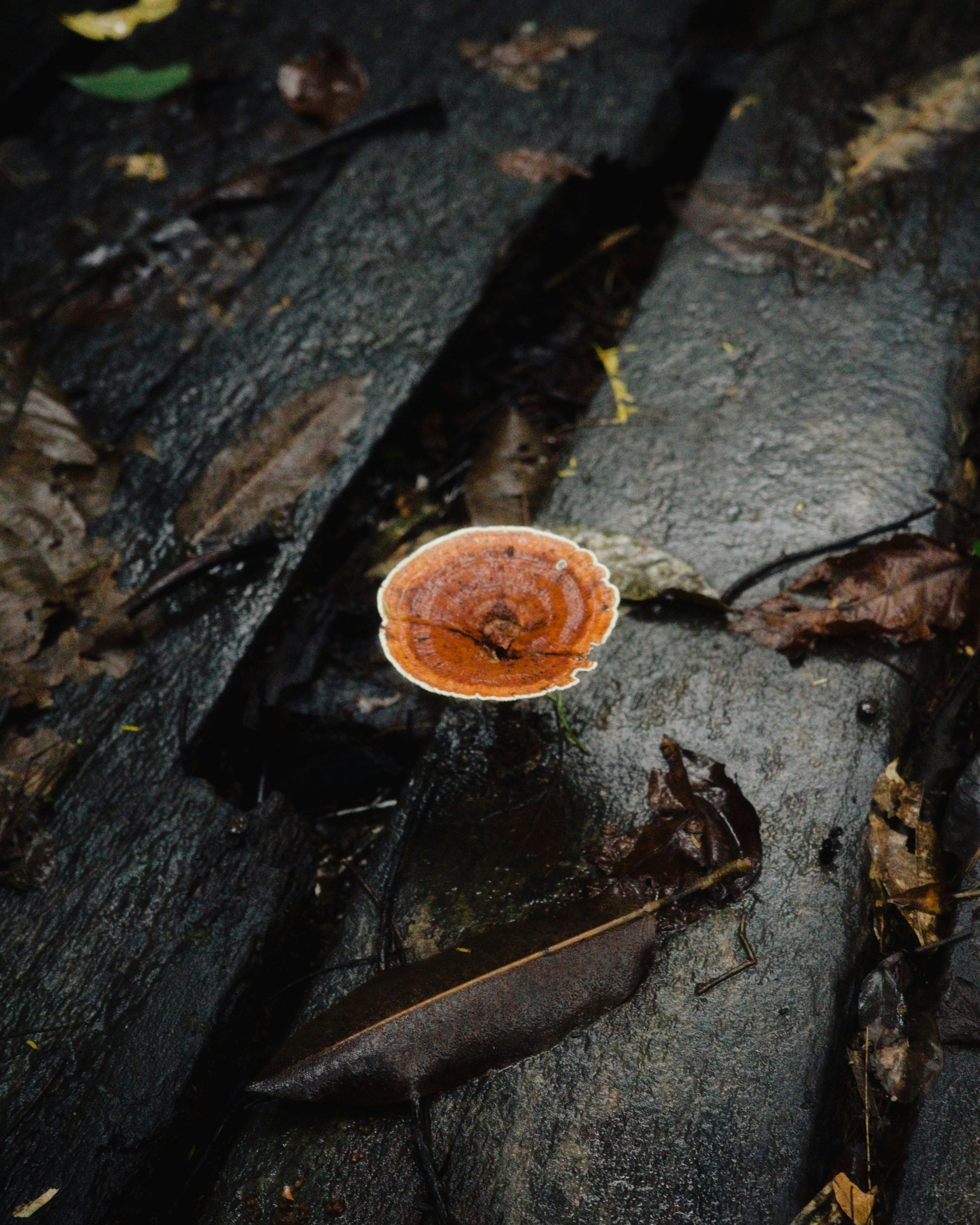
Nature has a quiet way of surprising us when we least expect it.
It might happen during a slow walk along a forest trail, while watering plants in a backyard garden, or even just stepping outside after a rainfall. Everything feels ordinary—until something unusual catches your eye. A sudden movement near the ground. A shape that doesn’t immediately make sense. A color that seems too bright or too strange for its surroundings.
In that brief moment, curiosity and uncertainty arrive together.
Most people instinctively pause or step back. It is a natural reaction, shaped by the way humans have learned to interpret unfamiliar things over time. But what feels unfamiliar is not always something to fear. In fact, these small encounters often hold something far more valuable than surprise—they hold an opportunity to understand the world a little better.
Why the Unfamiliar Feels Strange
Human beings are wired to recognize patterns. Familiar sights and sounds create comfort because they are predictable. When something falls outside that pattern, the brain briefly shifts into caution mode.
This response is not unusual—it is a basic survival mechanism that has helped humans navigate uncertain environments for thousands of years.
But in everyday settings like gardens, parks, or walking paths, most unfamiliar creatures are not dangerous. They simply appear unusual because we have not seen them before.
Bright markings, unexpected textures, or strange movements can easily trigger curiosity mixed with hesitation. Yet these features often serve important biological purposes, such as protection, communication, or adaptation to specific environments.
Once this is understood, the initial sense of unease often softens into curiosity.
An Example Hidden in Plain Sight
One small but striking example of an unfamiliar creature is the Red Triangle Slug.
At first glance, it may appear unusual because of its distinct markings and vivid coloration. It tends to stand out in environments where most life forms are designed to blend in.
This creature is typically found in damp, shaded areas where moisture is abundant. After rainfall, it may appear beneath fallen leaves, under logs, or within garden debris where the environment stays cool and wet.
Its movement is slow and smooth, made possible by a natural secretion that allows it to glide over surfaces. While this method of movement may seem unusual to observers, it is actually an efficient adaptation that allows it to survive in its habitat.
Despite its striking appearance, the Red Triangle Slug is not harmful to humans. It is non-aggressive and avoids confrontation, focusing instead on its natural role within the ecosystem.
The Quiet Role of Small Creatures
It is easy to overlook small organisms when observing nature, especially those that appear unfamiliar or insignificant at first glance. However, these creatures often play essential roles in maintaining environmental balance.
Slugs, for example, contribute to the breakdown of organic material. By feeding on decaying plant matter, they help accelerate decomposition, which returns nutrients to the soil.
This process is a crucial part of the natural cycle that supports plant growth and sustains healthy ecosystems. Without organisms that perform this function, soil quality would decline and plant life would struggle to thrive.
In this way, even the smallest creatures are connected to larger environmental systems. What may seem unimportant at first glance often has a meaningful purpose within nature’s balance.
The Power of Simply Observing
When encountering something unfamiliar outdoors, one of the most effective responses is not action—but observation.
Instead of reacting immediately, taking a moment to pause can change the entire experience.
Noticing details such as movement, size, color, and behavior can provide valuable context. Is the creature still or moving quickly? Does it respond to your presence or ignore it? Is it interacting with its surroundings in a purposeful way?
These small observations often reveal that what initially seemed strange is actually quite ordinary within its natural environment.
In many cases, understanding replaces uncertainty within seconds simply by paying closer attention.
