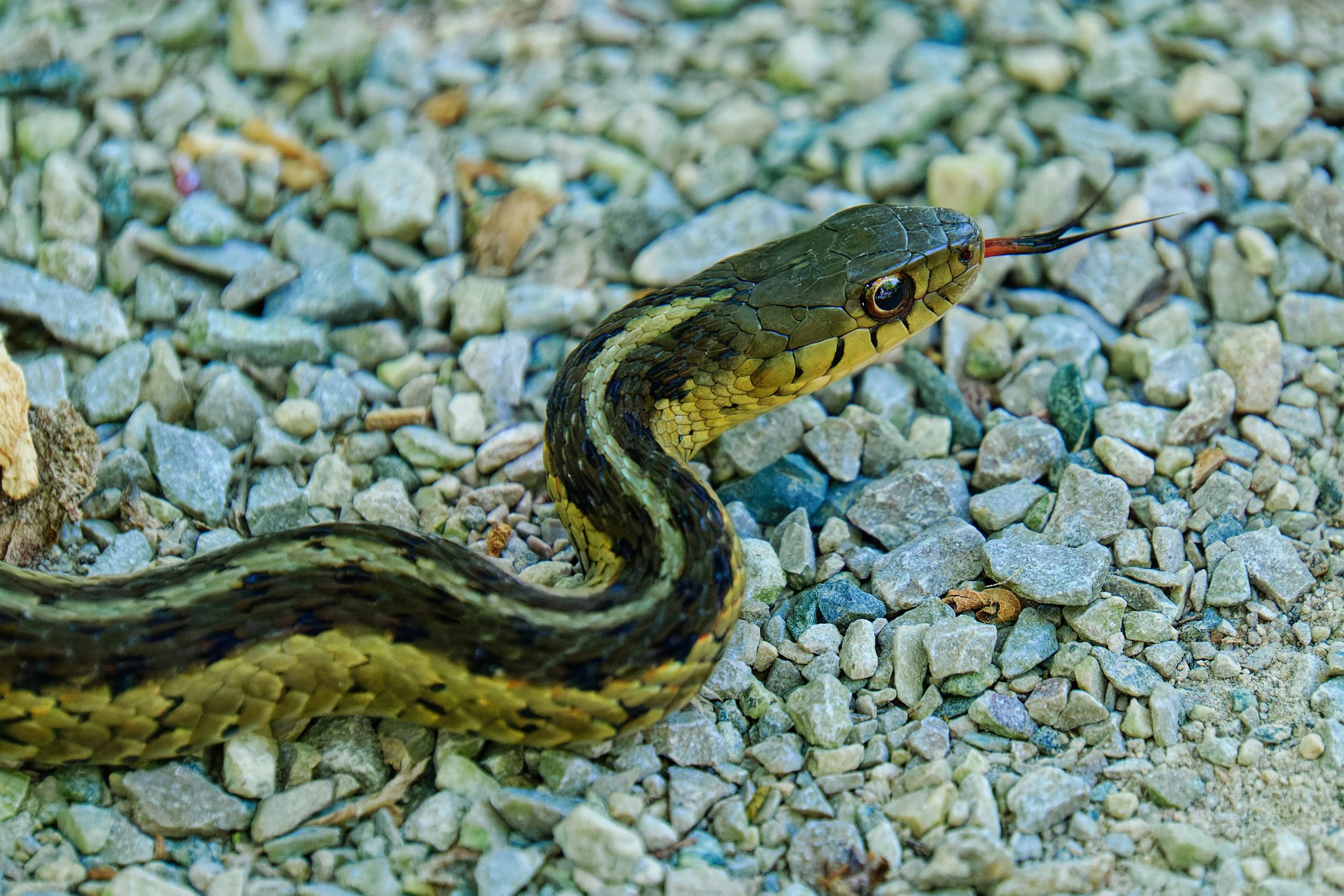
Discovering a snake inside your home can be a frightening experience, especially when you have no idea how it got there or whether it poses a danger. Whether it appears in a garage, basement, laundry room, or even a living area, the unexpected sight of a snake can make anyone feel uneasy.
But before reacting, it is important to understand one thing: a snake inside your home is not necessarily looking for a confrontation.
Snakes generally enter buildings for practical reasons. They may be searching for food, looking for shelter, or trying to find a comfortable place to escape changing outdoor temperatures. Small openings around foundations, doors, windows, and ventilation systems can provide surprisingly easy access.
Knowing how to respond calmly can make the situation safer for everyone, including the animal. Rather than attempting to catch or kill the snake, homeowners should keep their distance and contact a qualified wildlife removal professional.
Understanding why snakes enter houses—and what attracts them in the first place—can also help prevent future encounters.
Why Do Snakes Enter Houses?
Snakes do not usually enter homes because they are interested in people or want to establish a permanent presence indoors. More often, they are following basic survival needs.
Three factors are particularly important: food, shelter, and temperature.
1. They May Be Following a Food Source
One of the most common reasons snakes approach residential properties is the availability of prey.
Depending on the species, snakes may feed on mice, rats, frogs, insects, lizards, or other small animals. If a property provides easy access to these food sources, it may attract snakes looking for an opportunity to hunt.
For example, a garage or storage area with a rodent problem can become an attractive hunting location.
This is why controlling mice and rats is an important part of preventing unwanted snake encounters.
2. They Are Looking for Shelter
Snakes often seek protected locations where they can avoid predators, harsh weather, and disturbances.
A building may provide access to sheltered spaces such as basements, crawl spaces, storage areas, and gaps beneath floors.
Outdoor clutter can also contribute to the problem. Woodpiles, piles of leaves, unused materials, and dense vegetation may create hiding places close to the house.
If these areas are located near an opening in the building, a snake may eventually find its way inside.
3. Temperature Changes Can Influence Their Movement
Snakes are ectothermic animals, meaning their body temperature is influenced by the surrounding environment.
Unlike mammals, they do not maintain a constant internal body temperature through metabolic heat production. Instead, they use their surroundings to regulate their temperature.
During hot weather, snakes may seek cooler, shaded locations. When temperatures drop, they may look for protected spaces that offer more stable conditions.
This does not mean snakes are naturally attracted to every warm house, but temperature differences can influence where they move and shelter.
Where Do Snakes Usually Enter a Home?
Many homeowners imagine that a snake must have entered through an open door or window. While that is certainly possible, smaller openings around the structure can also provide access.
Some common entry points include:
- Foundation cracks: Small openings around the foundation may allow snakes to enter crawl spaces or other accessible areas.
- Gaps beneath exterior doors: Damaged weatherstripping or missing door sweeps can leave enough space for an animal to pass through.
- Uncovered vents: Poorly protected ventilation openings may provide access to certain parts of a building.
- Damaged window screens: Torn screens and gaps around window frames can create additional entry points.
- Garage doors: Uneven flooring, worn seals, and gaps along the edges may allow wildlife to enter.
- Utility openings: Spaces around pipes, cables, and other building connections can create overlooked access points.
A snake does not need a large opening to enter a building. The amount of space required depends on its size and body shape.
