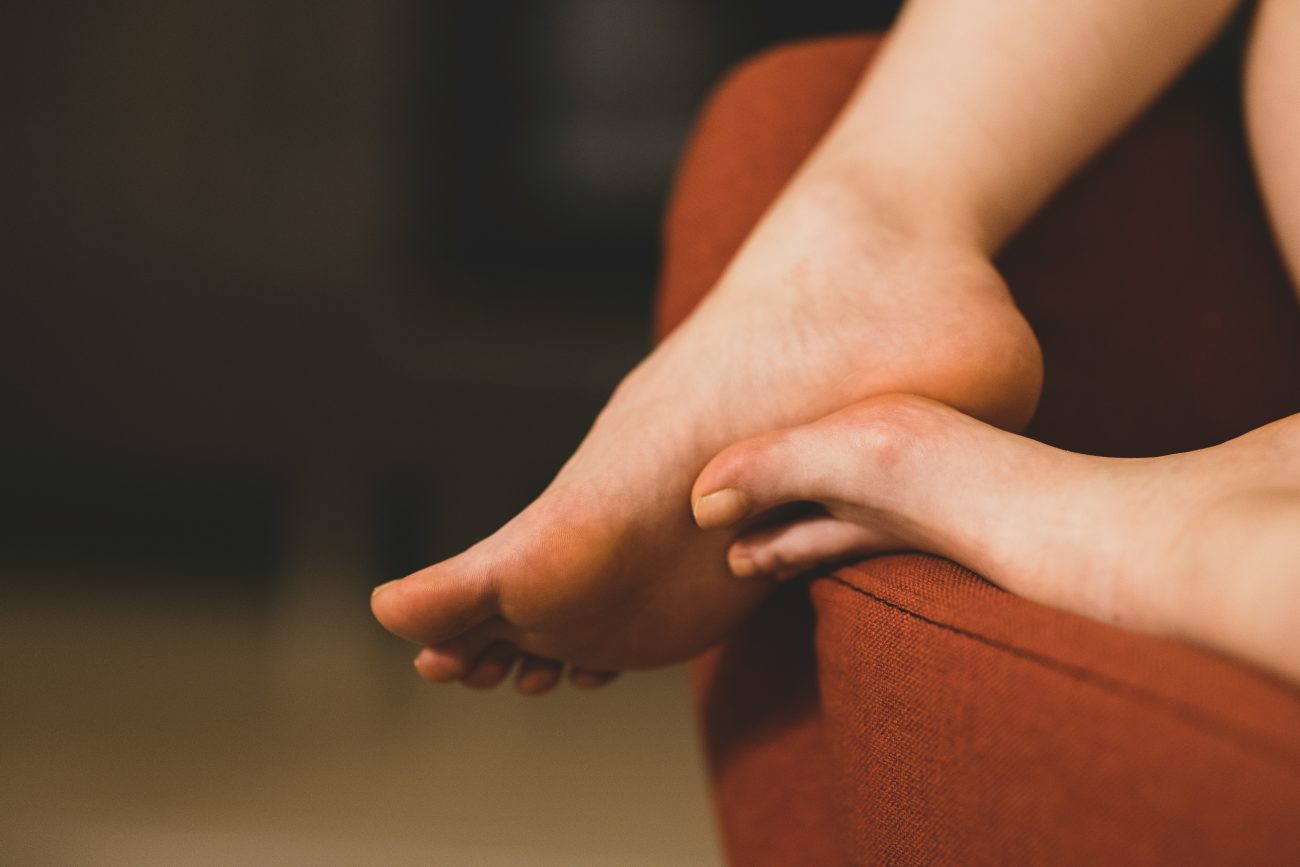
You may be asked whether one or both legs are affected, whether the swelling improves overnight, whether you have recently traveled, and whether you have experienced an injury or started a new medication.
Your medical history also matters. Pregnancy, previous blood clots, heart or kidney conditions, liver disease, and recent surgery may influence which causes need to be considered.
The clinician may examine your feet and legs, check your blood pressure, assess circulation, and look for skin changes or other signs of fluid retention.
Depending on the findings, additional tests may include:
-
Blood and urine tests to assess kidney function, liver function, and other possible causes.
-
A leg-vein ultrasound to investigate a suspected blood clot or assess venous circulation.
-
An electrocardiogram (ECG) to examine the heart’s electrical activity.
-
Heart imaging, such as an echocardiogram, when heart function needs to be assessed.
-
X-rays when an injury or fracture is suspected.
-
Additional circulation tests when an arterial or venous problem is possible.
Not everyone needs every test. The evaluation is guided by the symptoms, examination, and medical history.
The goal is not simply to make the swelling disappear. It is to identify why the fluid accumulated and treat the underlying problem.
The Most Important Thing to Remember About Swollen Feet
Swollen feet and ankles can have ordinary explanations. A long day on your feet, a lengthy journey, hot weather, or a salty meal may contribute to temporary swelling that improves with simple measures.
But persistent, sudden, painful, or one-sided swelling deserves more attention.
Pay particular attention to changes in breathing, chest discomfort, fever, redness, warmth, and sudden swelling in one leg. These symptoms can change how urgently medical care is needed.
Rather than assuming that swollen ankles are simply an inconvenience, consider the pattern and any other changes in your health. When swelling is new, unexplained, or getting worse, getting it checked is a sensible way to protect your health.
