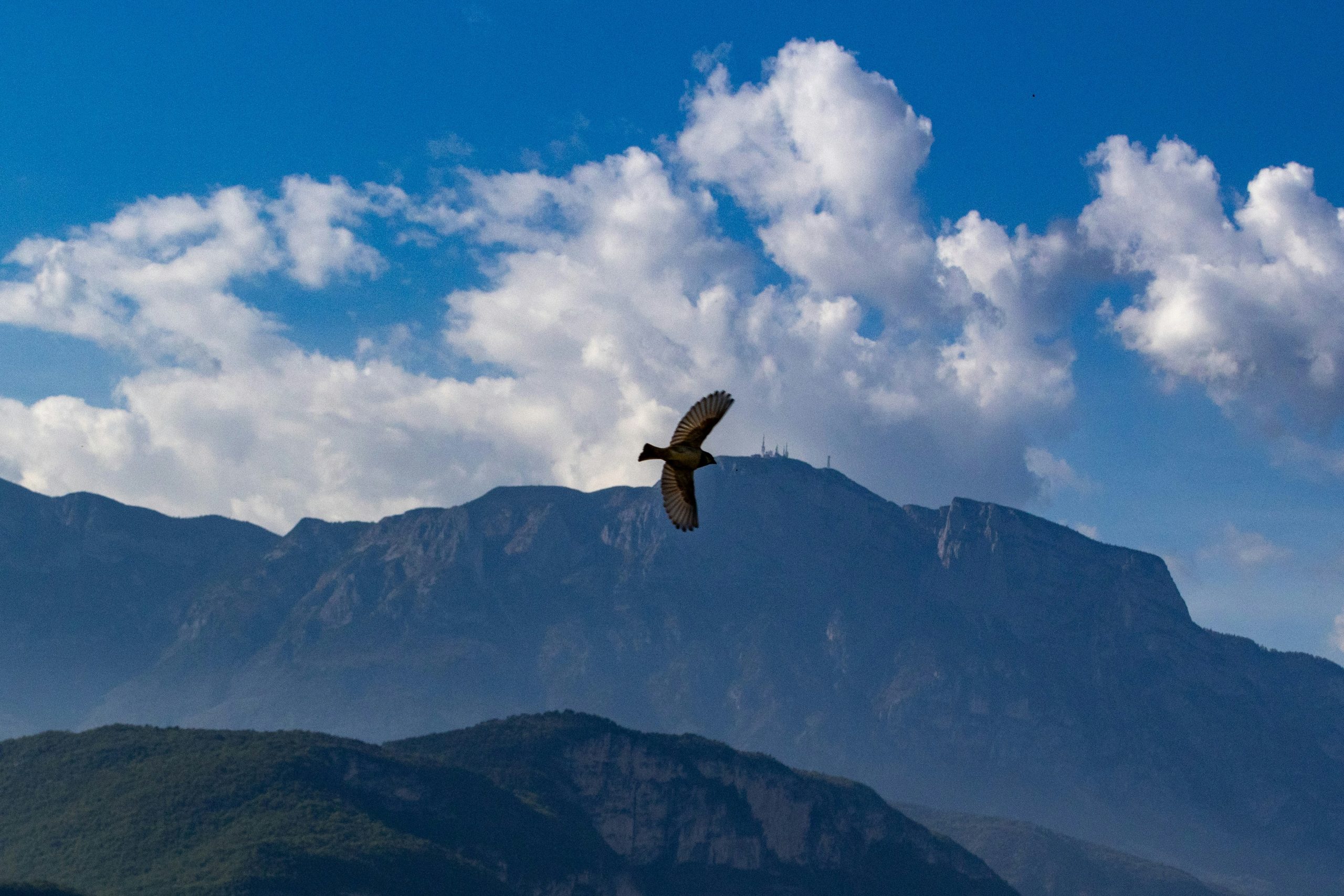
That is what makes animal movement so interesting to study.
The eagle’s apparent detours, pauses, and changes in direction invite us to look more carefully before deciding that something is random or meaningless.
Sometimes, a pattern becomes visible only after enough information has been collected. Sometimes, the explanation is more complicated than researchers first expected. And sometimes, the available evidence leaves questions open.
That is precisely why long-term observation matters.
The Natural World Is More Complex Than a Straight Line
The idea behind the twenty-year eagle story is a powerful one: what appears chaotic from a distance may have structure that becomes visible through patience and careful observation.
The science of bird flight supports much of that broader message. Eagles and other soaring birds use thermals, wind, and landscape features to move efficiently. Their routes can change with environmental conditions, and tracking technology allows researchers to investigate those movements in remarkable detail.
But the specific story of one eagle tracked for twenty years should be treated cautiously unless its research project and findings can be identified.
Even without that confirmation, the underlying lesson remains meaningful.
Nature does not always follow the predictable paths humans expect. Living creatures respond to their surroundings in ways that may be difficult to understand at first glance.
A line that looks like a detour may reflect a useful change in conditions. A pause may serve an important purpose. A different route may be the safest or most efficient option available.
The more carefully we observe the natural world, the more we recognize how much complexity exists beyond what we can immediately see.
And perhaps that is the greatest lesson of all: understanding nature requires more than collecting information. It requires patience, curiosity, and the humility to accept that the world is often more intricate than our first explanations suggest.
