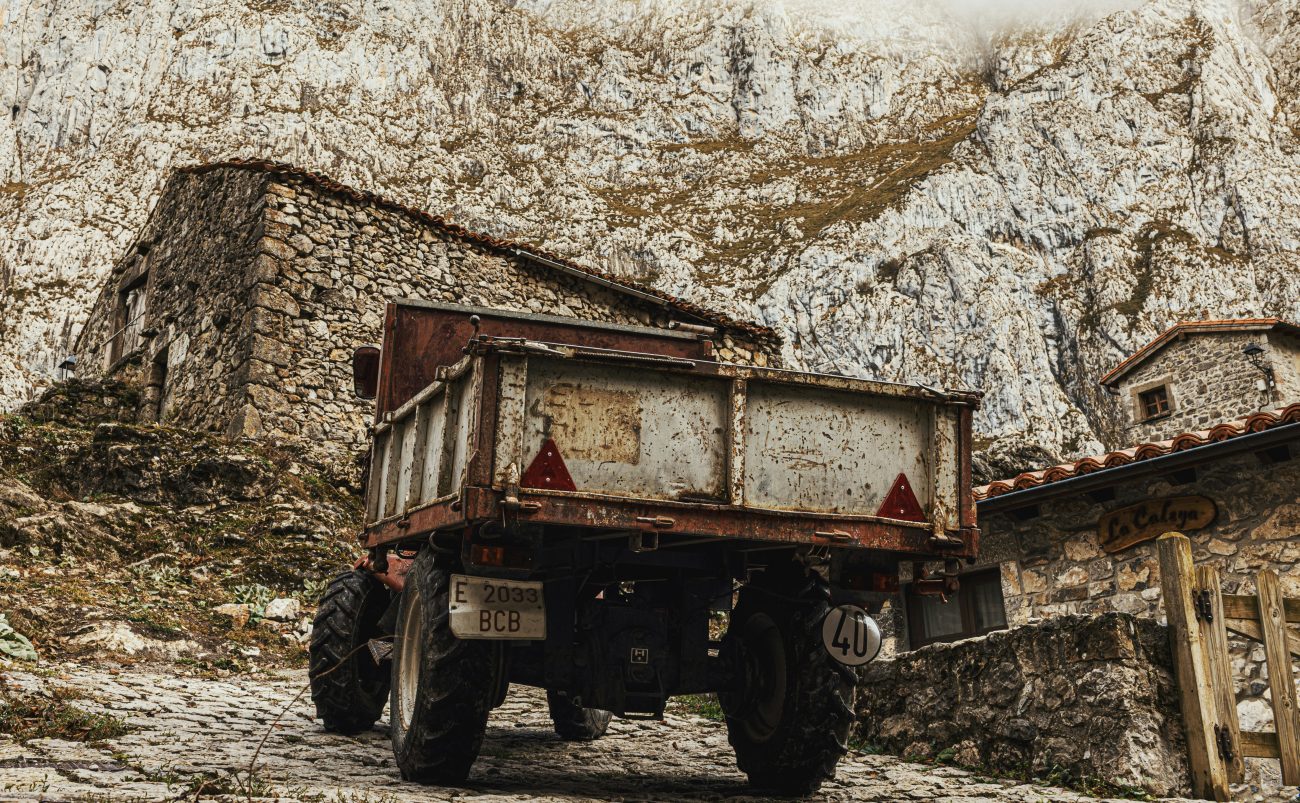
Garrett stood beside an old pickup truck he had repaired. His clothes were covered in grease, and he looked almost embarrassed to be photographed.
On the back, he had written:
Dad, I finally understand why you loved working with your hands. When you build something honestly, you don’t have to be afraid of someone discovering how you got it.
There was also a letter addressed to Emily.
He told her he knew he had no right to demand a relationship. He acknowledged that he had abandoned her and said he was proud of the woman she had become.
Emily read it beside me.
“Do you think people can really change?” she asked.
“I think people can change what they do,” I answered. “Whether they earn back trust is something only time can answer.”
She folded the letter.
“I think I understand.”
That evening, I asked Margaret to help me update my estate plan.
The mountain property would remain protected for the foundation’s mission. Emily would help guide its future under independent oversight.
Garrett would not inherit control simply because he was my only son.
But I did not want to make my decisions out of anger either.
I wanted my estate to reflect the values Clara and I had shared.
One Visit, Without Promises
A few weeks later, Garrett’s attorney contacted Margaret.
He wanted to know whether Garrett could visit me once his legal obligations allowed it.
I thought about the basement.
The truck.
The forged documents.
The eleven years without a single birthday call.
Then I remembered the little wooden toolbox I had made for him when he was six.
“One visit,” I told Margaret. “No money. No paperwork. No promises. Just a conversation.”
Three weeks later, Garrett arrived.
There was no moving truck this time.
No expensive SUV.
No folder of documents.
He stepped out of an old pickup wearing work boots and a faded blue jacket. He waited at the gate until Daniel confirmed that I was expecting him.
Then he walked toward the porch.
“Hi, Dad.”
“Hello, Garrett.”
He reached into his pocket.
For a moment, I remembered the day he had demanded the title to my truck.
But this time, he pulled out a small wooden birdhouse.
It was crooked, uneven, and painted blue.
“I made this for you,” he said.
I stared at it.
“I know it doesn’t fix anything,” he continued. “I know I can’t give you back those eleven years. But I wanted to bring you something I made myself.”
I took the birdhouse.
“Thank you, son.”
His eyes filled with tears.
“Do you think there could ever be a place for me in your life again?”
I looked toward the mountains.
“I don’t know yet, Garrett.”
He nodded.
“But if you want to find out, you’ll have to start with the truth.”
“I will.”
I opened the front door.
Not because he had earned his inheritance.
Not because everything was forgiven.
But because I was willing to see whether he could finally become the man Clara and I had hoped he would be.
Inside, a sealed envelope rested on the fireplace mantel.
It carried Clara’s handwriting.
FOR GARRETT — SOMEDAY.
I had kept it safe for eleven years.
I handed it to him.
“Your mother left you something.”
He opened the envelope carefully.
Then he began reading.
Clara’s Last Message to Her Son
My precious Garrett,
If you’re reading this, then I am no longer there to hold your hand.
But I hope you remember something about the little boy you used to be.
You were never born greedy. You were never born cruel. You were born with a heart that knew how to love.
