Irvin had to be firm about what he would and would not tolerate. I had to trust his actions while refusing to let outside gossip define our relationship.
We also learned that protecting a marriage does not always mean fighting publicly. Sometimes it means documenting what happened, seeking appropriate advice, and refusing to participate in unnecessary drama.
Most importantly, we learned that unity does not require pretending that neither partner ever makes a mistake.
I had made a mistake with the bakery’s zoning approval. Irvin and I both recognized that, and we dealt with it. That responsibility was separate from the unwanted attention and the misleading messages that became part of the dispute.
Keeping those issues separate helped us avoid falling into the same pattern of blame and manipulation that had made the situation so exhausting.
The Lesson I Took Away From Everything
Looking back, I sometimes wonder how different the experience might have been if I had checked every zoning requirement before opening the bakery.
Perhaps I would have avoided the shutdown entirely. Perhaps the business would have continued growing without interruption.
But I cannot change that part of the story.
What I can control is what I do with the lesson.
I learned that being a good neighbor does not mean allowing someone unlimited access to your time, home, or personal life. Kindness should not be confused with an obligation to tolerate inappropriate behavior.
I also learned that boundaries are most effective when they are clear, consistent, and supported by action. Irvin did not need to argue with Vanessa or repeatedly explain his commitment to our marriage. He needed to communicate his position clearly and maintain it.
And I learned that taking responsibility for a genuine mistake does not mean accepting responsibility for everything someone else accuses you of doing.
I could admit that my bakery had operated without the required approval while still rejecting a misleading portrayal of my husband. I could correct my own error without issuing an apology I did not believe was deserved. I could protect my family’s privacy without pretending that the entire experience had never happened.
After 17 years of marriage, I thought I understood what it meant to stand together through difficult times.
This experience gave that promise a much deeper meaning.
Our lives were disrupted, my business was temporarily taken away, and our reputation became the subject of neighborhood gossip. But we did not allow those events to decide who we would become.
We chose honesty over retaliation, responsibility over excuses, and a united response over endless arguments.
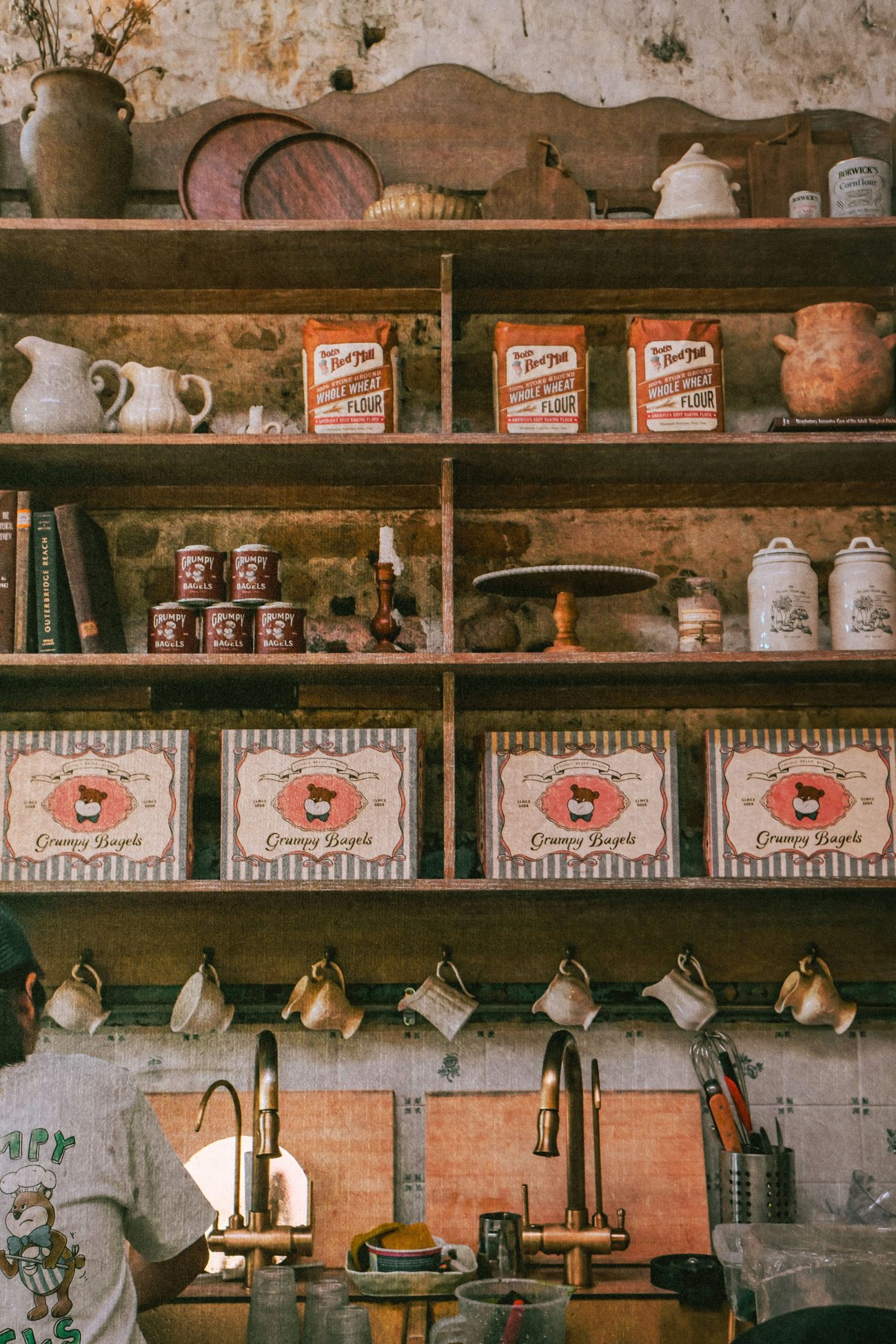
Today, when I walk into my bakery, I no longer think only about the difficult months that came before its reopening. I think about the work that went into getting it back, the customers who returned, and the fact that I did not have to sacrifice my dignity to move forward.
The most important lesson was not that every difficult person will eventually leave or that every conflict will end in our favor.
It was that I could acknowledge my own mistakes, protect the people I love, and rebuild what I had lost without allowing someone else’s actions to define my worth.
