He studied Nate’s work boots, his old jacket, and the folder I was holding.
Then he lowered his hand.
The county representative waited.
“Forty thousand dollars. Going once.”
My fingers were trembling.
“Going twice.”
Nate reached for my hand.
“Sold.”
I don’t remember exactly what I said.
I think I laughed.
Then I started crying.
Nate leaned toward me.
“Well, Mrs. Schafer,” he whispered, “looks like we’ve got ourselves a farmhouse.”
We had spent two years working extra shifts, eating inexpensive meals, and giving up things we enjoyed.
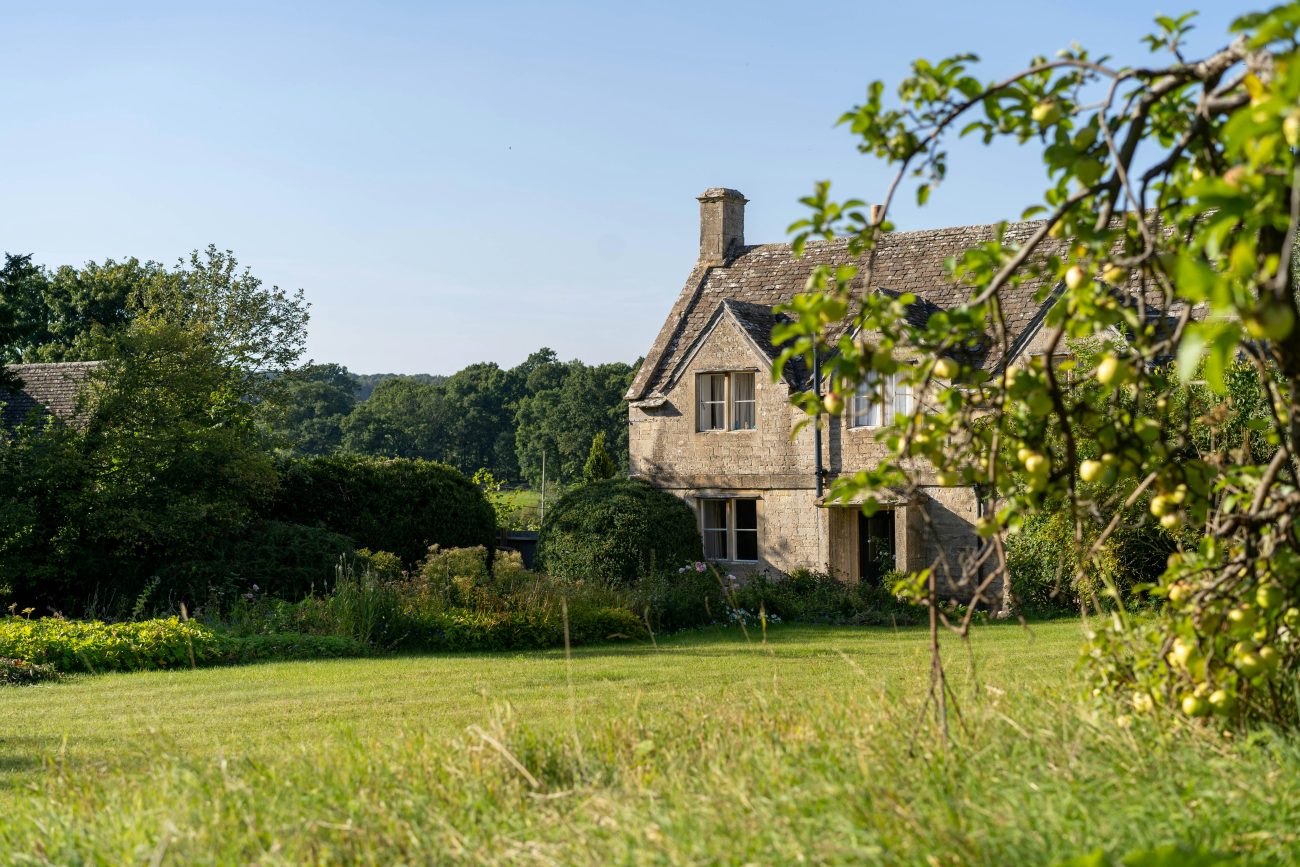
And now, we owned a piece of land and an old house that nobody else had wanted badly enough to fight for.
When we stepped outside, Nate stood in the parking lot for a moment.
He looked up at the sky.
Then he turned toward me.
“Forty thousand,” he said.
I nodded.
“Forty thousand.”
He laughed.
“That’s a lot of eggs.”
I laughed so hard I had to lean against his shoulder.
The First Time We Opened the Front Door
The paperwork took several more days.
Once the county confirmed the transaction and completed the required documents, we were finally allowed to take possession.
We drove out there on a Saturday morning with a box of cleaning supplies, a flashlight, a measuring tape, and two thermoses of coffee.
Nate unlocked the front door.
It resisted at first.
Then it opened with a long, unpleasant creak.
The smell hit us immediately.
Dust, old wood, damp plaster, and the unmistakable smell of a house that had been closed for years.
I stood in the doorway.
“Well,” I said, “it’s not exactly ready for a dinner party.”
Nate laughed.
“Give me a few weekends.”
The living room had faded wallpaper and a fireplace that needed cleaning. The kitchen cabinets were old, but most appeared solid.
There was an upstairs bedroom with a beautiful view of the fields.
The floorboards creaked beneath our feet.
In one corner, an old wooden rocking chair sat beside the window.
I ran my hand over its arm.
“Someone must have loved this house.”
Nate nodded.
“Someone probably spent their whole life here.”
We found old newspapers in a cupboard, a broken clock on a shelf, and several empty picture frames.
We didn’t find anything particularly valuable.
There were no hidden treasures or mysterious documents.
Just the remains of an ordinary life.
After walking through every room, Nate went outside to inspect the garage.
I stayed in the kitchen and looked out the window.
The patch of red flowers near the cistern was larger than I remembered.
I stepped outside and crouched beside it.
They were old peonies, pushing through the weeds despite years of neglect.
I called Nate over.
“Look at these.”
He wiped his hands on a rag.
“What?”
“Flowers. Someone planted them here.”
He looked down.
“Well, they’re doing better than the porch.”
I laughed.
For some reason, those flowers made the house feel less abandoned.
Someone had planted them with the expectation that they would return every spring.
And somehow, they had.
We Spent the Next Year Rebuilding It
The farmhouse needed more work than we had initially expected.
Nate was right about the foundation, but the electrical system required a complete professional assessment and substantial updating.
The roof had several damaged sections. The plumbing needed attention, and the kitchen floor had a soft spot near the sink.
We had to be careful with money.
We couldn’t simply hire contractors to handle everything.
Nate took care of much of the demolition and repair work he was qualified to do. For electrical work, plumbing, and anything requiring specialized expertise, we brought in licensed professionals.
