I wrapped my arms around him.
We weren’t wealthy. We weren’t particularly comfortable. But we were beginning to see the result of our efforts.
And that was enough to keep us going.
His Parents Still Thought We Didn’t Need Anything
We continued attending Sunday dinners at Ron and Judy’s whenever my work schedule allowed.
We never told anyone about our extra jobs or how much we were saving.
That had been Nate’s rule.
If we told his parents we were putting money aside for a house, it might sound as though we were dropping a hint. Almost like we were sending them a bill for something they had failed to give us two years earlier.
Neither of us wanted money that we had to ask someone for.
Meanwhile, the other three children were making progress.
Kim purchased a small ranch-style house on Maple Street, complete with a fenced-in backyard.
Jeff and his wife used their money as a down payment on a house in the new subdivision.
Stacy decided to leave her money in the bank until she graduated from nursing school.
We attended both housewarming parties. I prepared a casserole for each occasion, and I genuinely meant every bit of the effort I put into making them.
At Jeff’s housewarming, Judy approached me and gently squeezed my arm.
“You two will be next,” she said. “You’re both so good at managing money.”
“We’re working on it,” I answered.
She smiled.
“I know you are, honey. You’ve always been the responsible ones.”
I didn’t know what to say.
I wanted to tell her that being responsible didn’t mean we didn’t need help. It didn’t mean we never worried about money. And it certainly didn’t mean that we didn’t dream about having a place of our own.
But I didn’t.
I simply asked whether she needed help bringing the dessert plates into the kitchen.
Sometimes silence is easier than explaining a hurt that the other person doesn’t even realize exists.
The Abandoned Farmhouse in the County Newspaper
The following spring, sometime in March, I was sitting at my desk in the hospital eating my sandwich.
The county newspaper was open beside me, turned to the legal notices.
That’s the kind of section a hospital billing clerk naturally ends up looking at, whether she intends to or not.
The county trustee had published a list of surplus properties scheduled for auction. These were places where the owners had failed to pay their property taxes and nobody had come forward to redeem them.
Most of the listings were vacant plots of land or an old filling station that had burned down.
But one entry caught my attention.
It described a house with two and three-tenths acres along the county road north of town.
Everyone around there knew the property as the Miller place.
Dale Miller had died in that house, and his children, who lived in Arizona and Oregon, had stopped responding to the tax notices.
The house had been empty for six years.
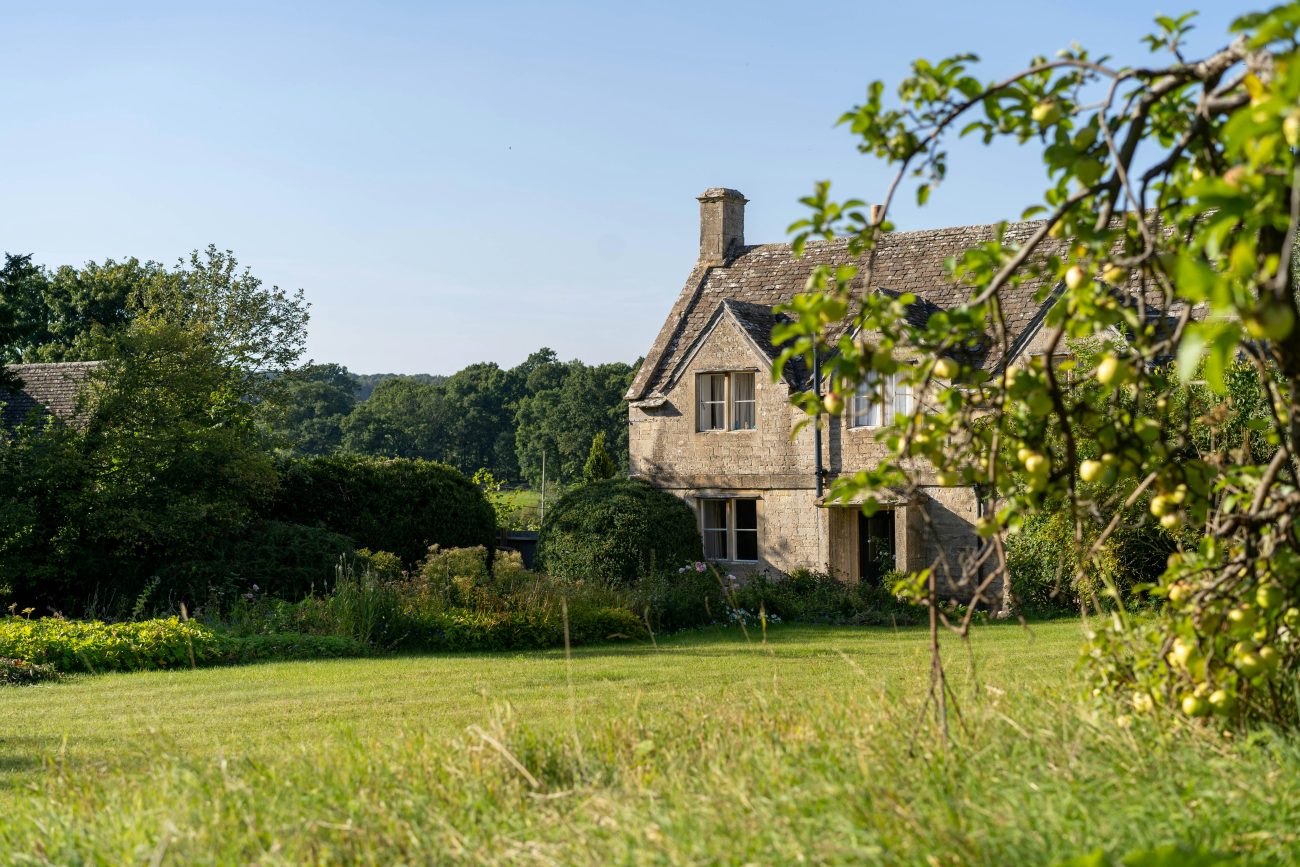
You could see it from the blacktop whenever you drove past. It was a tall, white farmhouse whose paint had gradually faded to gray. The front porch drooped in the center, almost like an exhausted old horse.
I read the listing twice.
Then I folded the newspaper and put it in my purse.
That evening, I took Nate out there to have a look.
Nobody was permitted to enter the property before the county auction. You had to make your decision based on what you could see from the yard. Whatever you bought, you bought in its existing condition.
