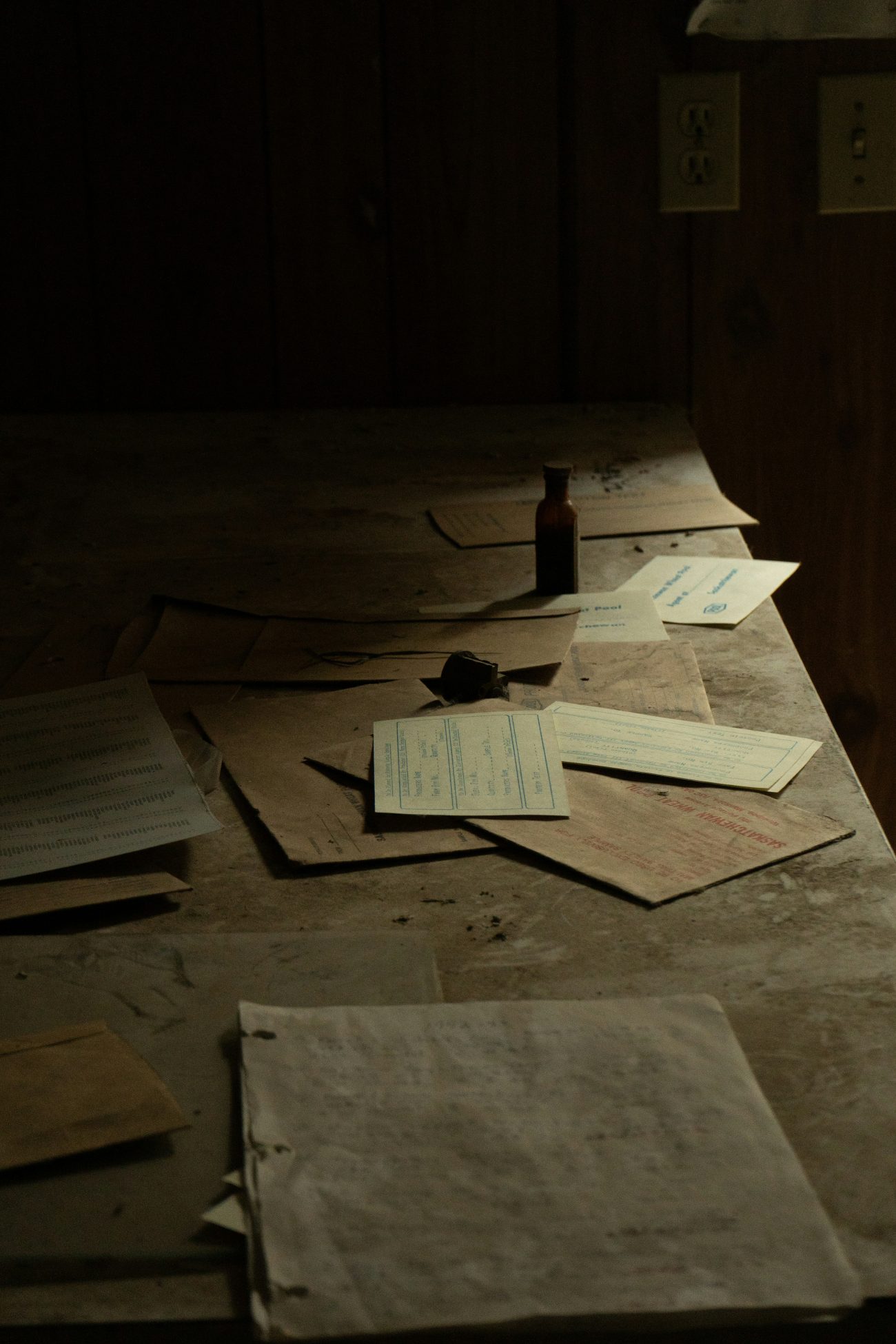
Brenda carried a document and placed it on the kitchen table.
She said Joanne only needed to sign it.
The statement claimed that Joanne had knowingly approved the $186,400 loan, voluntarily permitted her property to be used as security, and authorized Alden to sign financial documents on her behalf.
Joanne read it carefully.
Then she pushed it away.
Brenda argued that signing would prevent the situation from becoming worse. She complained about the trouble her family was facing and insisted that everyone had been trying to help.
But one sentence revealed more than she may have intended.
“Nobody expected you to find out before the money was replaced.”
Joanne looked at her.
So Brenda had known about the loan.
When Linda looked down at the floor and refused to meet Joanne’s eyes, the atmosphere in the kitchen changed.
Alden entered shortly afterward and asked whether Joanne had signed the statement.
She answered no.
He urged her to sign it anyway and promised that the details could be sorted out later.
Joanne stood and told both visitors to leave.
Brenda was shocked that she would ask her husband’s family to leave the house. Joanne explained that she was asking people who wanted her to sign a false statement to leave her home.
Before Brenda departed, she warned Joanne that she would regret treating the family that way.
Joanne’s response was simple: she might regret many things, but she would not regret protecting her name.
After the visitors left, Alden told her she had changed.
She agreed.
And she no longer considered that a bad thing.
The Handwriting Examination Brings the First Important Finding
Over the following weeks, Rebecca continued working with the lender to obtain original records and arrange an independent handwriting examination.
Joanne provided documents containing her genuine signature, including retirement paperwork, an old mortgage release, and official identification records.
The examiner compared those signatures with the one appearing on the disputed loan documents.
Eventually, Rebecca received the report.
She called Joanne immediately.
The examiner had found significant differences between Joanne’s genuine signatures and the signature on the loan paperwork.
Joanne closed her eyes.
“So it wasn’t mine,” she said.
Rebecca explained that the findings supported Joanne’s position that she had not signed the document. However, the legal process was not finished. They still needed to address the lender’s concerns and determine what steps would follow.
For Joanne, the report was an important development, but it did not erase the uncertainty surrounding the loan, the transfers, or the people who had known about the arrangement.
Her father’s farmhouse was still at the center of the dispute.
And after everything she had learned, she understood that protecting it would require more than refusing to sign another document.
It would require the truth to be established.
Editorial note: This article is based on a supplied personal-style narrative. The people, loan, property dispute, financial transfers, and legal investigation have not been independently verified. The account ends with a preliminary handwriting-examination finding; it does not establish a final legal ruling, the lender’s decision, or the ultimate outcome for the farmhouse.
Unsplash image search phrases
- Older farmhouse with a wide green pasture and grazing goats
- Rustic country kitchen with documents and a manila envelope on a wooden table
- Older woman sitting on the porch of a farmhouse
- Rural property with a barn, fencing, and open fields
Recommended image alt text: An older woman stands outside her family farmhouse overlooking a pasture where goats graze, as a financial dispute threatens the property she inherited from her father.
At 68, Joanne thought she had finally found a way to regain control of her life. After decades of allowing her husband, Alden, to make nearly every financial decision, she had opened an account for her pension, arranged to rent part of her pasture to the neighbors, and begun standing up for herself.
