And for the first time in years, my decisions belonged entirely to me.
My Grandfather Had Been Waiting for Me to Take My Place
The weeks after the settlement were quieter.
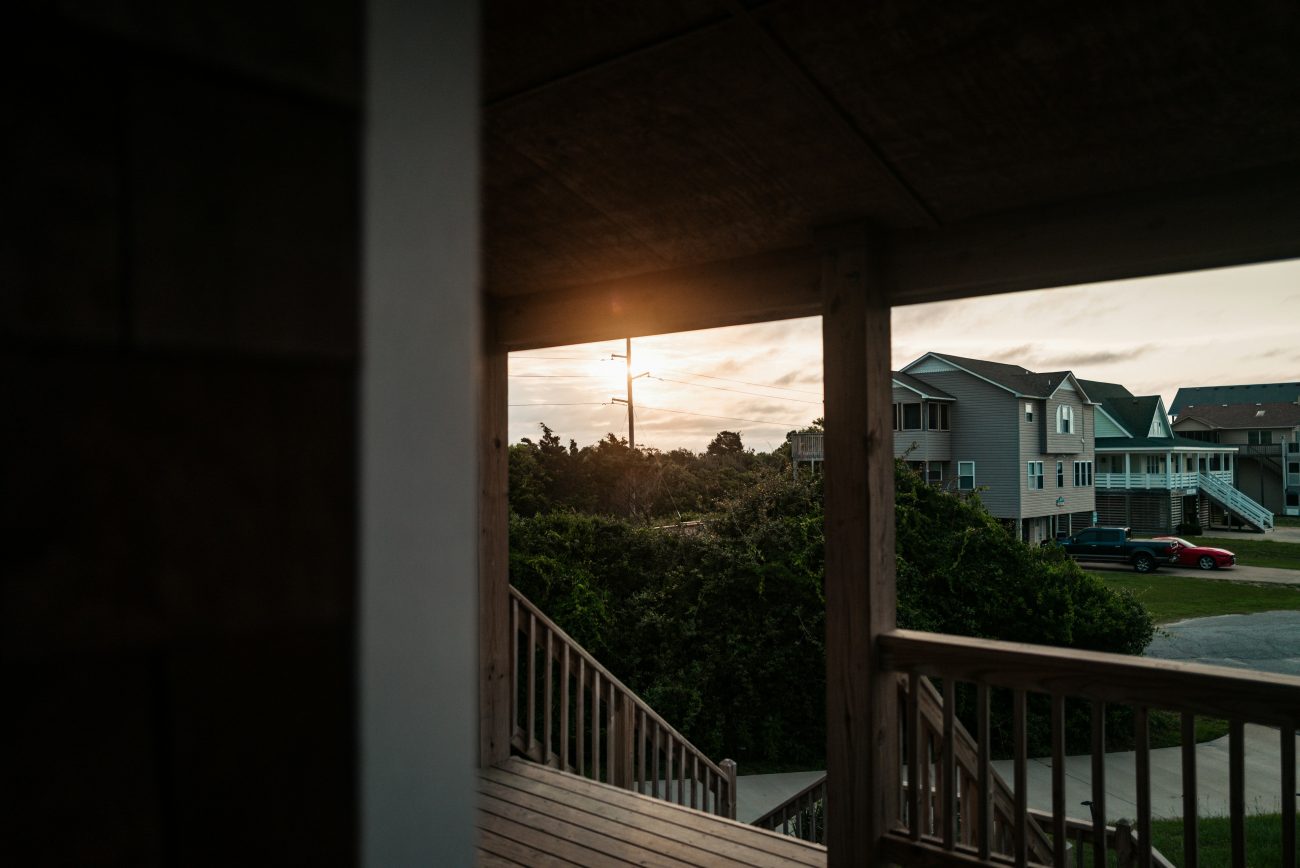
I spent more time at the cottage, where the mornings began with the sound of gulls and the occasional delivery truck moving along the coastal road. The house needed attention. A few repairs had been postponed, and the garden had grown uneven around the walkway.
I welcomed the work.
There was something reassuring about making decisions that had immediate, visible results. If a door needed fixing, I called someone. If the porch needed repainting, I chose a color. Nobody asked me to wait until the next quarterly meeting.
But I knew I couldn’t rebuild my life simply by staying away from the places that reminded me of Graham.
I needed something that belonged to my future.
One afternoon, I opened the files my grandfather had left with Calder Ridge’s records. I had looked through them before, but now I read them with a different purpose.
There were notes from meetings, letters, investment summaries, and handwritten comments in the margins of reports. My grandfather had marked questions he wanted answered and decisions he believed deserved another look.
In one folder, I found a letter addressed to me.
It wasn’t a grand declaration. He wrote in the straightforward way he always had.
He said he hoped I would eventually take a more active role in Calder Ridge. He did not expect me to become someone else or to spend my life trying to imitate him. He wanted me to learn the business on my own terms and understand the responsibility that came with ownership.
Near the end, he wrote that an inheritance was not simply something to protect. It was something to understand.
I sat at the desk for a long time.
I had spent years thinking of my grandfather’s investment as a part of my past. It had helped shape my financial independence, but I had not fully considered what he hoped I might do with it.
The letter made that hope unmistakable.
I called the chair of Calder Ridge’s investment committee and asked whether we could discuss my involvement.
He welcomed the conversation.
The firm had been reviewing its governance and oversight processes. My ownership interest gave me a legitimate reason to understand those matters more deeply, and the experience surrounding Harrington Global had made me more aware of the importance of asking difficult questions early.
I didn’t want a ceremonial position.
I wanted to contribute.
After several discussions, I accepted a seat on the investment committee.
It was not a reward for what had happened to Graham. It was not a way to punish anyone, and it did not give me authority over the separate investigation at Harrington Global.
It was a responsibility I had inherited and finally decided to embrace.
The first meeting was more intimidating than I expected.
The committee members were experienced. They knew the history of the firm, the risks of its investments, and the questions that needed to be asked before capital was committed.
I listened carefully and took notes.
When the discussion turned to an investment proposal, I asked how the projections had been stress-tested and what assumptions were driving the expected return.
One of the members answered. Another added context.
Nobody dismissed the question.
Nobody suggested that I should leave the details to someone else.
I realized how much I had missed that feeling: being taken seriously without having to prove that I deserved a place at the table.
Rebuilding Was Not the Same as Starting Over
I expected the first year after the divorce to feel like a long recovery.
