His expression hardened.
He picked up the pasture agreement.
“How much are these people paying you?”
“Three hundred and fifty dollars every month.”
He laughed.
“That’s all? You’re letting them use forty acres for that amount?”
“They’re using the front pasture. They maintain the fencing, take care of the water troughs, and handle their own insurance.”
He shook his head.
“You should have discussed this with me.”
I looked at him.
“That’s what I used to do, Alden.”
He pulled his paycheck from his jacket and placed it firmly on the table.
“This is what keeps this household running!”
I glanced at the check before looking back at him.
“My father paid for this farmhouse long before you ever moved into it.”
He became silent.
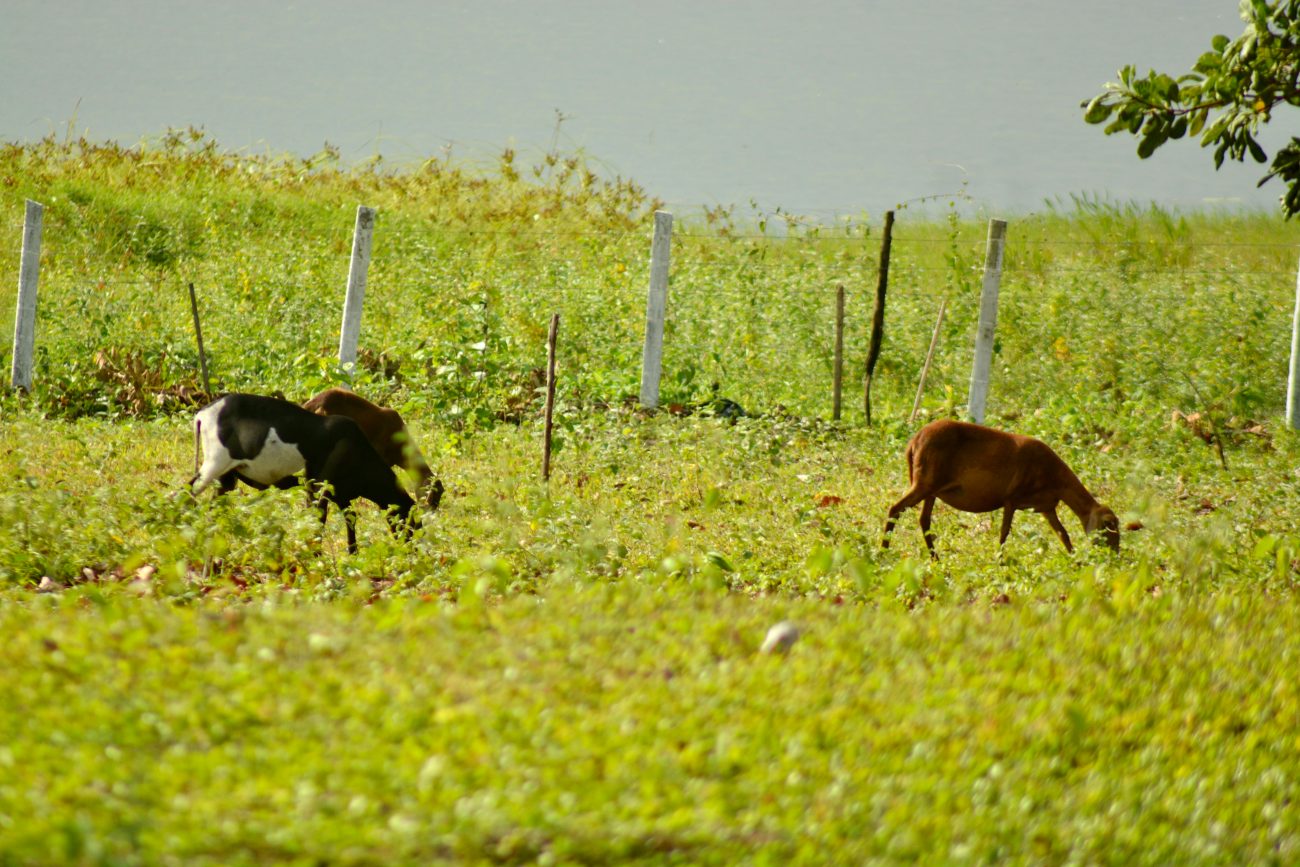
Outside, one of the goats made a little noise.
Alden pointed toward the pasture.
“Call Miriam and tell her to remove those animals.”
“I won’t.”
“Then I’ll contact the sheriff.”
“That’s your decision.”
I picked up my coffee and walked toward the sink.
For once, I wasn’t interested in having the last word.
I simply wanted to protect my home and my future.
That evening, Alden spent hours calling his sisters.
I heard him explaining that I had become unreasonable and that our neighbors had somehow convinced me to make financial decisions without consulting him.
Later, his older sister Brenda called me.
“Joanne, what exactly have you done to my brother?”
“Good evening, Brenda.”
“Don’t be sarcastic. Alden says you’ve rented out his property and moved your pension money.”
I glanced at the deed.
“His property?”
“Well, it’s family property!”
“Then why isn’t his name on the deed?”
She didn’t respond immediately.
I continued.
“I’ve lived here for decades. You know this farmhouse belonged to my father.”
“That doesn’t change the fact that Alden has worked his entire life!”
“So have I.”
She laughed dismissively.
“Doing what? Delivering mail?”
Her comment hurt more than I expected.
I had spent thirty-one years working for the postal service. I drove through difficult weather, carried packages along country roads, and delivered letters to people who depended on that service.
I had helped elderly residents who struggled to collect their mail and learned the names of families throughout the community.
My work had mattered.
“Yes, Brenda. I delivered mail for thirty-one years.”
She sighed.
“You’re making yourself look foolish.”
“No. I’m finally speaking up for myself.”
I ended the call.
For the first time in many years, I went to bed without wondering how I could make everyone else happy.
The following morning, Alden was waiting in the kitchen.
He had prepared coffee and placed his paycheck beside my cup.
“I’ve been thinking,” he said.
“That’s good.”
“We need to settle this disagreement.”
I sat down.
He explained that I should cancel the pasture agreement and return my pension to the joint account. According to him, we could forget everything that had happened and continue as before.
I asked him a simple question.
“What happens if you decide to close the account again?”
“I won’t.”
“And what happens when I need something for the house?”
“I’ll take care of it.”
“What if I want to purchase something for myself?”
“You discuss it with me first.”
I recognized the arrangement immediately.
It was the same system we had followed for years.
I put down my spoon.
“No, Alden. I won’t go back to that arrangement.”
His expression changed.
“You’re making a mistake.”
“Perhaps. But I know what I need.”
He stood up and left for the feed store.
That afternoon, Miriam visited with a covered dish of homemade chicken and dumplings.
