I placed the photograph on the kitchen shelf.
Then I went outside.
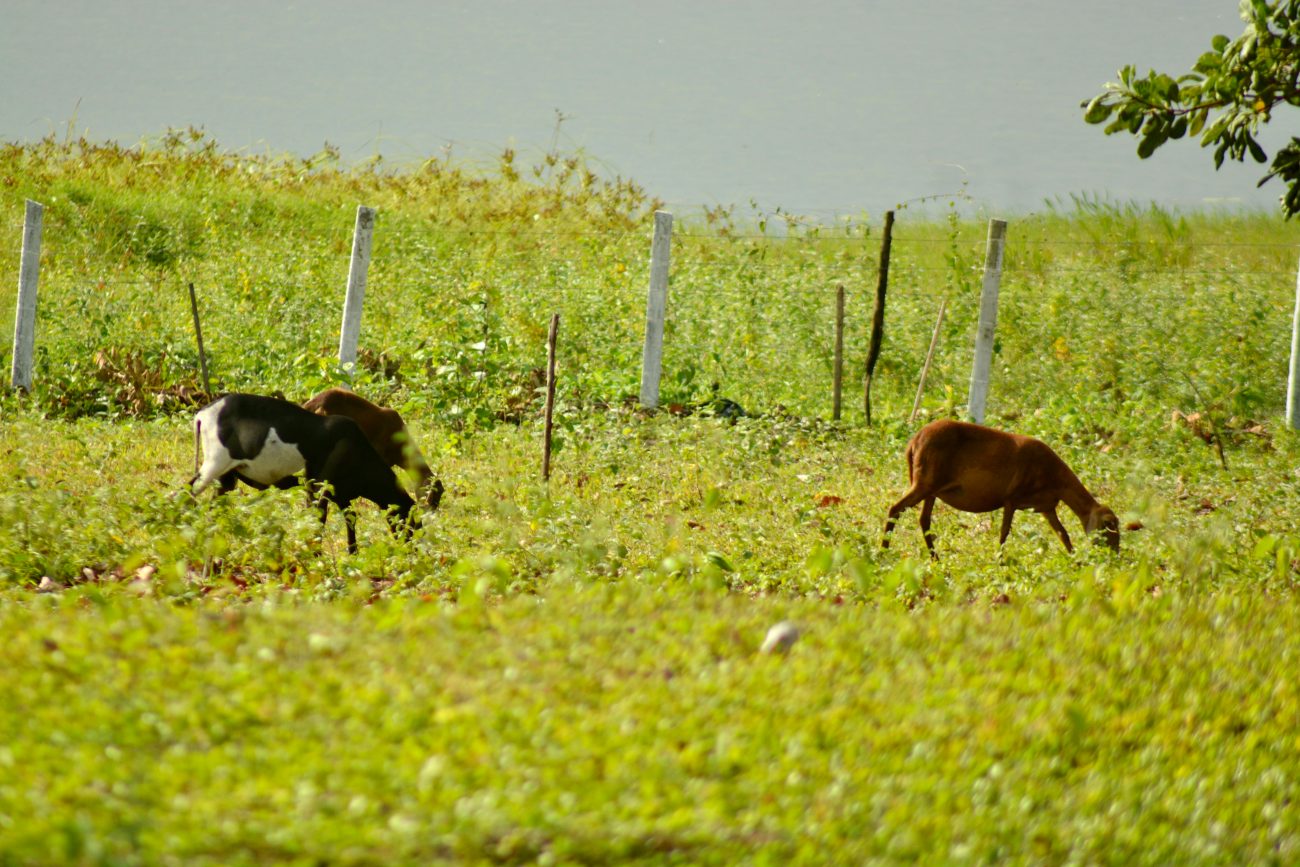
The afternoon sun was shining across the pasture. A few goats were resting beneath the old oak tree, and one of the younger ones was trying to climb onto a low wooden platform.
I laughed.
“Careful, little one.”
Miriam waved from the fence.
“Everything all right, Joanne?”
I smiled.
“Better than all right.”
She came over and handed me a small basket of fresh eggs.
“From our chickens,” she said.
“Thank you.”
We stood together for a few minutes, talking about the weather and the upcoming planting season.
It was an ordinary afternoon.
And that was exactly what I wanted.
I didn’t need a dramatic victory or a grand apology.
I needed peace, security, and the freedom to make decisions about my own life.
Alden and I eventually began living more separately, even while we worked through what would happen to our marriage. I no longer allowed him to manage my pension or make decisions about my inherited property. Any future arrangement would have to be discussed openly and handled properly.
I was no longer afraid of what his sisters might say.
I was no longer worried that Brenda would think I was selfish.
And I was no longer willing to sacrifice my security to protect someone else’s pride.
At sixty-eight, I had learned something that took me far too long to understand.
Being a good wife doesn’t mean surrendering your judgment.
Being a good mother doesn’t mean putting your own future at risk for every family emergency.
And being generous doesn’t mean allowing people to take what you never agreed to give.
My father left me forty acres and an old farmhouse.
But the most valuable thing I finally recovered wasn’t the land.
It was my voice.
And every morning, when I look out the kitchen window and see those goats grazing peacefully beneath the oak tree, I remember the day I finally stopped asking whether I was allowed to stand up for myself.
I was.
It had been my right all along.
