Aunt Linda took a different approach.
Her messages were softer, but the underlying message was identical.
She reminded me of everything the family had supposedly done for me while I was growing up.
She talked about family sacrifices, shared memories, and the importance of supporting relatives when they needed help.
I didn’t deny that people had helped me over the years.
I remembered family members attending school events, giving me rides, and occasionally helping my mother when things were difficult. I was grateful for those experiences.
But gratitude wasn’t the same as accepting a permanent financial obligation.
Eventually, Sarah called again.
I almost let it go to voicemail, but I decided to answer.
“So you’ve just decided to ignore us now?” she demanded.
“I needed a little breathing room.”
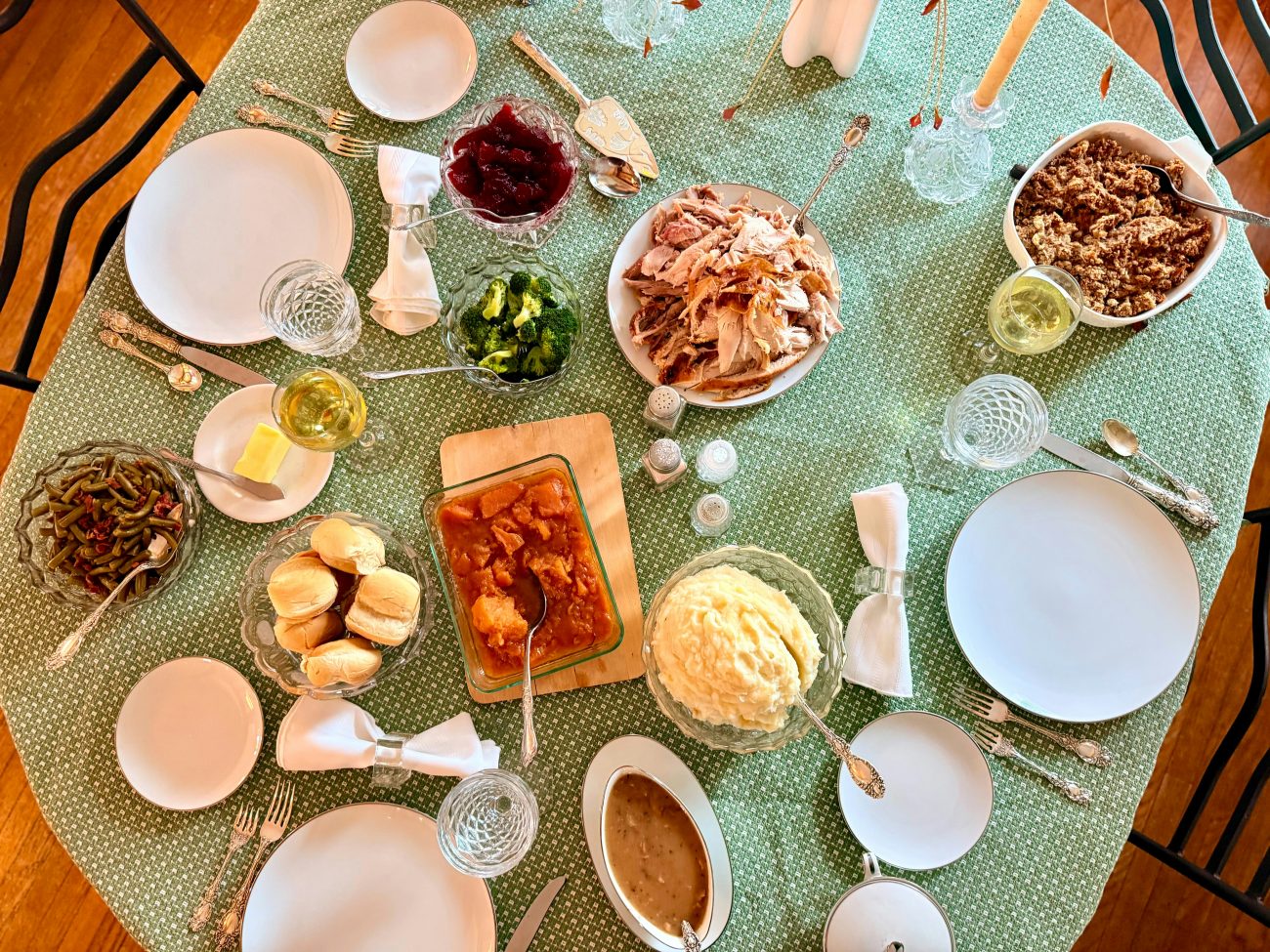
“You don’t get to disappear after humiliating everyone at Thanksgiving.”
“I didn’t humiliate anyone.”
“You basically announced that we weren’t worth helping.”
“That’s not what I said.”
“You’re sitting on more money than you could ever possibly need.”
I took a breath.
“That doesn’t make it yours.”
The line went quiet.
Then Sarah said something I hadn’t expected.
“You owe us.”
I almost laughed.
“I owe you?”
“We were always around when you were growing up. We supported you. We’re your family.”
“That doesn’t mean you own a percentage of every dollar I earn for the rest of my life.”
Her voice became louder.
“Do you honestly believe you accomplished everything completely on your own?”
“Of course not. But being grateful to people who helped me and being permanently responsible for their finances are two completely different things.”
“You’re incredibly selfish.”
“I’m setting a boundary.”
“You’re turning your back on your own family.”
“I’m saying no.”
She paused.
Then she delivered a warning that sounded more like a threat.
“Fine. But every single person we know is going to find out exactly what kind of monster you’ve turned into.”
The call ended.
A couple of hours later, Aunt Linda contacted me.
Her voice was much calmer.
“Zach, honey, I think everyone’s emotions are running a little high. Nobody wants to fight with you.”
“I don’t want to fight either.”
“We’re just struggling to understand why you’ve suddenly become so guarded.”
“I haven’t.”
“You used to be such a generous boy.”
“And I can still be generous when I choose to be.”
“But your family members need assistance.”
“That doesn’t automatically mean they’re entitled to drain my bank account.”
There was another silence.
Then Linda said quietly, “You’re making a massive mistake.”
I didn’t respond.
By that point, I was beginning to understand something important.
The biggest mistake might have been spending so many years believing that saying no to family was somehow unforgivable.
The Family Started Telling Its Own Story
The arguments didn’t stop after those calls.
They simply moved somewhere else.
Passive-aggressive comments began appearing on social media. Extended relatives started repeating stories about how my newfound success had supposedly changed my personality.
According to the version circulating through the family, I had become greedy, arrogant, and disconnected from my roots.
One relative suggested that money had revealed my true character.
Another made a vague post about people who forget those who helped them climb the ladder.
Nobody mentioned the actual Thanksgiving conversation.
Nobody explained that I had offered advice and practical assistance rather than simply refusing to acknowledge anyone’s difficulties.
The story was easier to tell if I was portrayed as a selfish millionaire who had abandoned everyone.
I stopped attending family gatherings for a while.
At first, I felt guilty. I had grown up believing that family events were something you attended regardless of how uncomfortable things became.
