But something important had begun.
For the first time, father and daughter had the opportunity to get to know each other without the story I had created standing between them.
Rebuilding a Relationship That Had Lost Twelve Years
Over time, Emily and Daniel developed a relationship of their own.
She gradually learned about his life, met members of his family, and began creating new memories with him. Their connection grew through conversations, visits, and the ordinary experiences that help people become part of one another’s lives.
There were still difficult moments.
Some questions had no easy answers. Certain memories brought sadness, while others reminded Emily of what she had missed. Daniel also had to accept that being reunited did not automatically erase the years they had spent apart.
They couldn’t simply return to the relationship they might have had if things had gone differently.
They had to build a new one.
I also had to learn something important: my daughter could love both of her parents without choosing between us.
That wasn’t always easy for me.
Daniel and I still had disagreements about the past. There were moments when old resentment resurfaced, and conversations could become uncomfortable. But gradually, we learned to communicate more respectfully.
We began attending important events together and making decisions with Emily’s happiness in mind rather than allowing our personal history to control every interaction.
I couldn’t change what had happened, but I could stop making the future more difficult.
The Graduation Day That Brought Us Together
Then came Emily’s graduation.
As she stood between us in her graduation gown, holding her diploma, I remembered the night Nathan had stood at my front door and demanded that I tell the truth.
It was difficult not to think about everything that had happened since then.
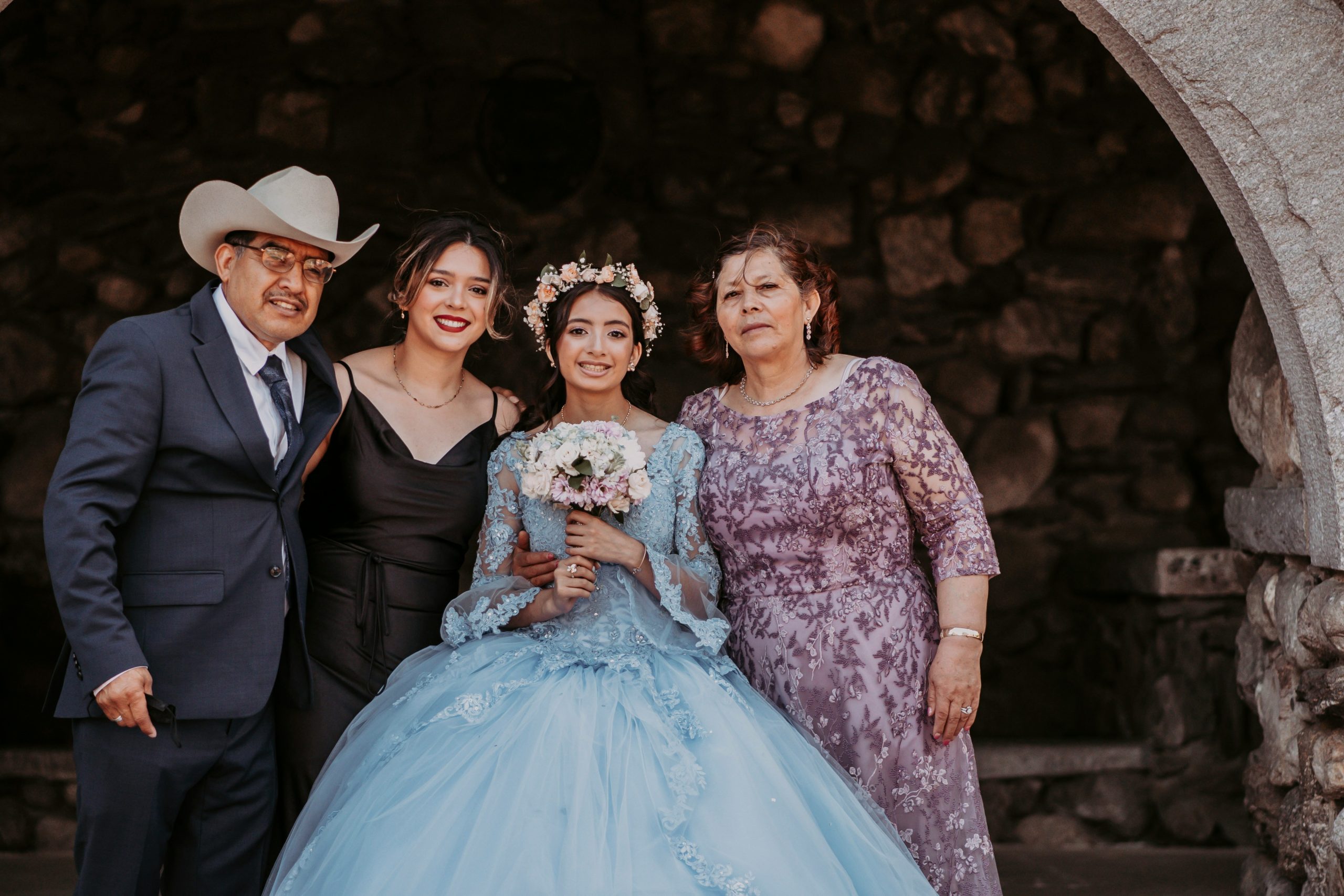
Our family wasn’t perfect. There were still painful memories, unanswered questions, and consequences we would have to live with. But we were finally able to stand together without allowing anger to control the moment.
Emily looked at both of us and smiled.
“I know our family wasn’t perfect,” she said. “But I’m glad I finally know the truth.”
I couldn’t hold back my tears.
For years, I had believed that keeping Daniel away from the story of her childhood was the best way to protect her. I thought that if she never knew the complicated details of our separation, she would have an easier life.
Instead, I had given her an explanation that made her question her own worth.
She had grown up believing that her father hadn’t wanted her. That belief was a burden she never should have had to carry.
And I was the person who had placed it there.
What I Learned About Protecting a Child
That graduation day reminded me of something I wish I had understood much earlier: protecting a child does not mean hiding every uncomfortable part of their history.
Parents sometimes make decisions during separation and divorce while dealing with anger, disappointment, and emotional pain. It can be tempting to simplify a complicated situation, especially when explaining it to a child.
But there is a difference between giving a child age-appropriate information and creating a false story that shapes how they understand themselves.
Children deserve honesty, even when the truth is difficult. They also deserve the opportunity to form their own relationships when it is safe and appropriate to do so.
That doesn’t mean every detail of an adult relationship needs to be shared with a child. Nor does it mean one parent should be excused from genuine mistakes or responsibilities.
It means children should not be made responsible for the conflicts between their parents, and they should not be forced to build their understanding of family relationships around a version of events that deliberately leaves out important truths.
