Parents sometimes make decisions during separation and divorce while dealing with anger, disappointment, and emotional pain. It can be tempting to simplify a complicated situation, especially when explaining it to a child.
But there is a difference between giving a child age-appropriate information and creating a false story that shapes how they understand themselves.
Children deserve honesty, even when the truth is difficult. They also deserve the opportunity to form their own relationships when it is safe and appropriate to do so.
That doesn’t mean every detail of an adult relationship needs to be shared with a child. Nor does it mean one parent should be excused from genuine mistakes or responsibilities.
It means children should not be made responsible for the conflicts between their parents, and they should not be forced to build their understanding of family relationships around a version of events that deliberately leaves out important truths.
I cannot recover the twelve years Emily and Daniel lost.
I cannot undo the choices I made or erase the confusion she experienced growing up. An apology cannot give them back the birthdays, school milestones, conversations, and ordinary family moments they missed.
But I can take responsibility.
I can answer her questions honestly. I can acknowledge the harm I caused without making excuses. And I can support the relationship she is now building with her father.
Perhaps that is where forgiveness begins—not with pretending the past never happened, but with accepting it and choosing to do better.
The Truth She Deserved All Along
I will never forget prom night.
It began with photographs, excitement, and the happiness of watching my daughter leave for an evening she had anticipated for weeks. It ended with a confrontation that forced me to face a secret I had carried for years.
Nathan’s five-minute warning was frightening, and I still wish the truth could have come out in a less painful way.
But I am grateful that Emily finally had the opportunity to discover the truth about her father.
I cannot decide how she remembers her childhood, how quickly she forgives me, or what kind of relationship she will ultimately have with Daniel. Those choices belong to her.
What I can do is make sure she no longer has to question whether she was loved because of a story I created to protect myself.
She deserved to know that her father wanted to be part of her life. She deserved the freedom to ask questions, make her own decisions, and build a relationship with him.
Most importantly, she deserved the truth about her own family.
And sometimes, the hardest thing a parent can do is admit that the person who needed protecting was hurt by the very choices meant to protect them.
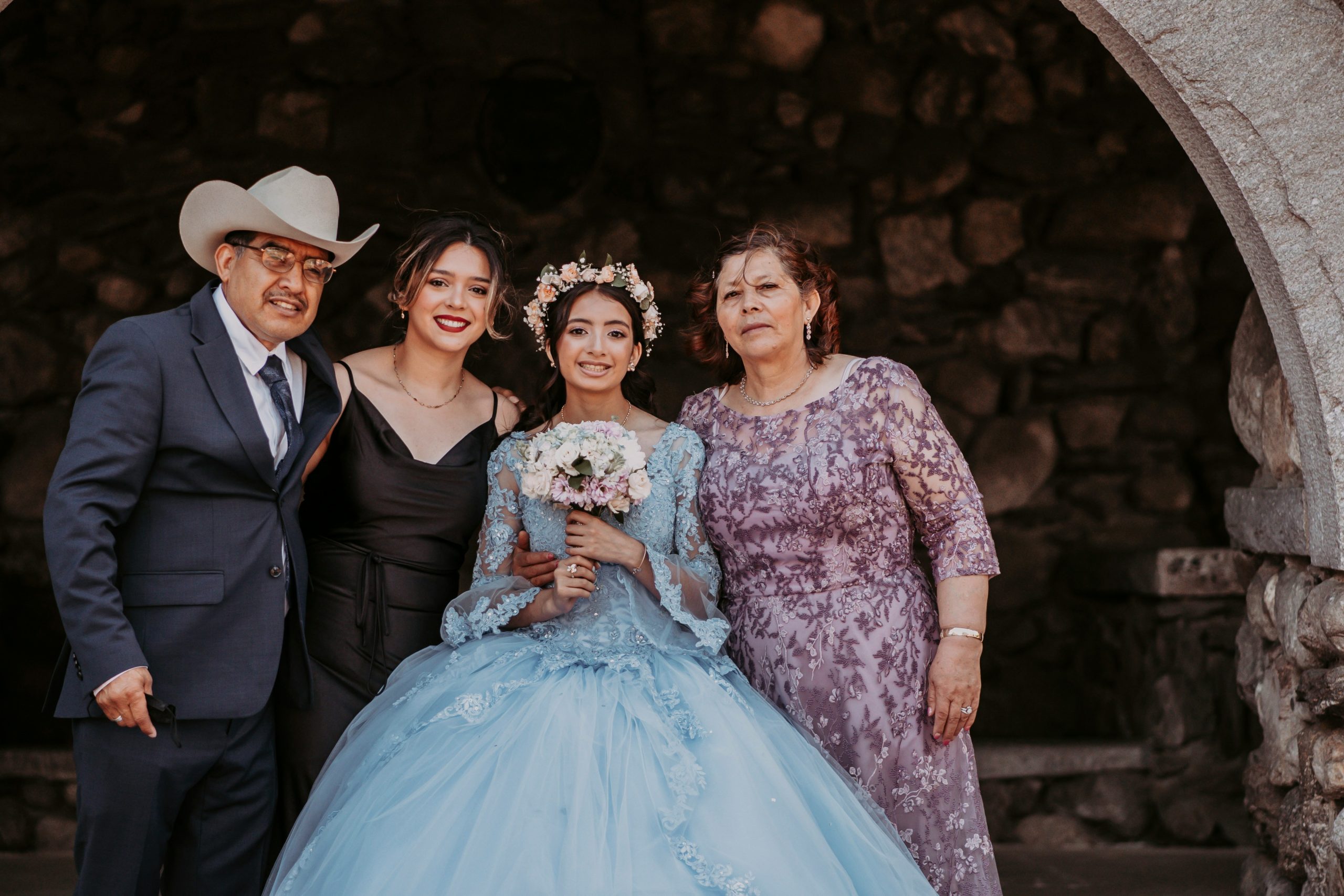
My daughter’s prom night was supposed to be one of those memories we would look back on for years. She had spent weeks choosing her dress, planning her hairstyle, and talking excitedly about the boy who had invited her. I watched her get ready, took photographs, and felt grateful that she was experiencing such a special moment.
I never imagined that the evening would end with a confrontation at my front door—and the revelation of a secret I had kept for twelve years.
For most of her childhood, my daughter, Emily, believed her father had abandoned us. Whenever she asked why he wasn’t around, I gave her the same explanation: he had chosen to walk away and didn’t want the responsibility of raising a child.
I repeated that story so often that, eventually, I stopped questioning it myself.
But the truth was more complicated, and far less flattering to me.
