However, I established several conditions.
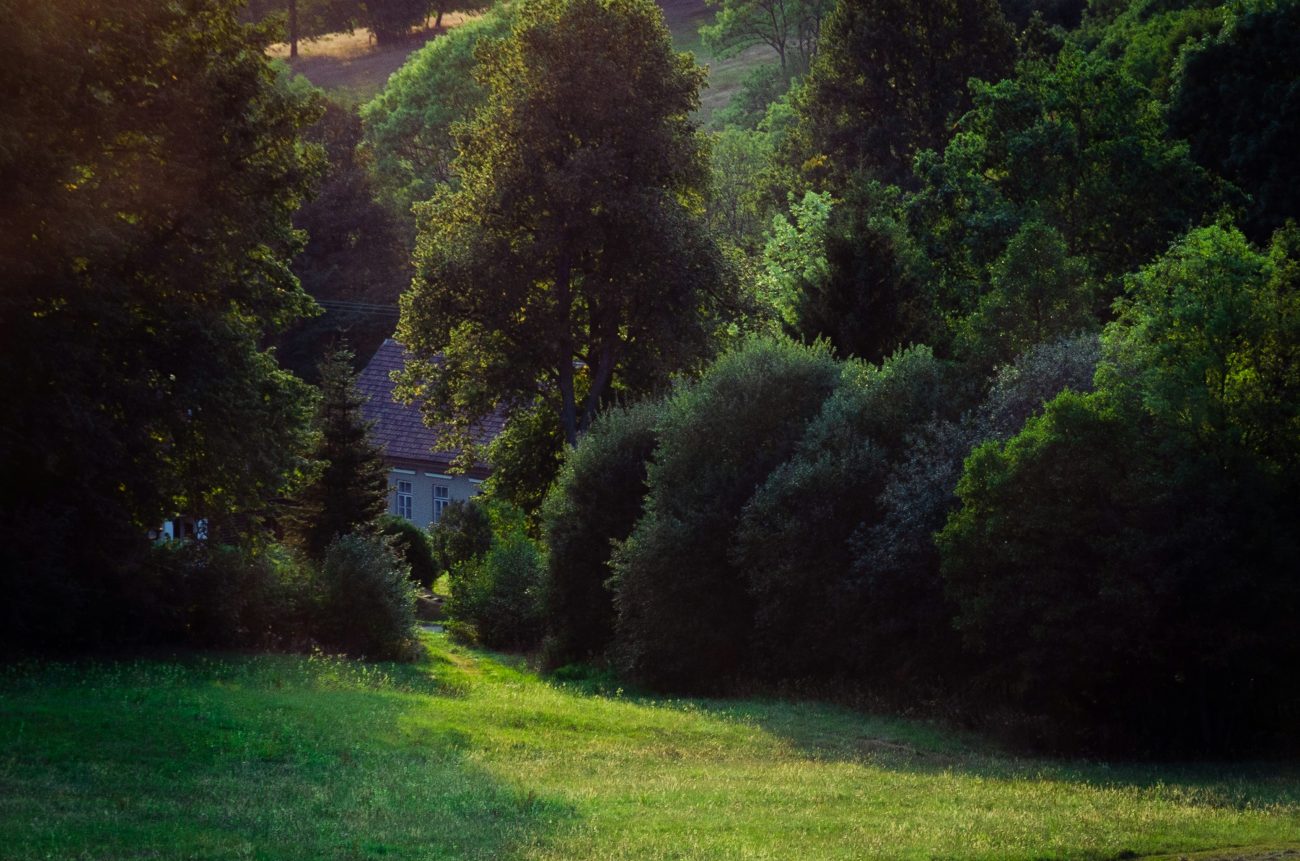
The farmhouse would remain.
The barn would be preserved.
The creek and groundwater protections would remain in place.
The oak trees would not be removed.
And every agreement would be reviewed by my independent attorney.
Tom accepted these conditions as the starting point for further negotiations.
For the first time, I could imagine a future in which the county could grow without destroying the place Walt and I had built.
But I was careful not to mistake a promising presentation for a completed agreement.
Robert reviewed every revision, and I asked questions whenever something wasn’t clear.
I had learned an important lesson: being polite did not require me to surrender control of my decisions.
The Farm’s Future Takes Shape
The legal investigation continued over the following months.
Daniel faced financial and legal difficulties connected to Greenfield Holdings. The company’s financing arrangements were reviewed, and its investors pursued their available legal options.
Amanda cooperated with the investigation and had to answer questions about her involvement.
She eventually accepted responsibility for the choices she had made.
Several months later, after legal review and environmental assessments, I reached a carefully negotiated development partnership with Tom’s company.
I did not sell the entire eighty acres.
Instead, only designated portions of the property were included in the development arrangement.
The farmhouse, barn, creek, oak trees, and protected groundwater areas remained safeguarded under the agreement.
The conservation organization also received additional protections for the most environmentally sensitive sections.
The company funded restoration work along the creek and supported the construction of a community environmental education center.
The agreement included monitoring requirements and restrictions designed to protect the water system. Robert made sure the protections were written into the documents rather than left as promises made in a conference room.
At the groundbreaking ceremony, Tom stood beside me while local residents and reporters gathered.
He handed me a wooden plaque made from reclaimed timber.
It read:
THE WALTER AND DOROTHY KESSLER CONSERVATION GROUNDS
I ran my fingers over the letters.
For a moment, I imagined Walt standing beside me.
I knew he would have appreciated seeing the creek protected and the barn restored.
He had always believed that the farm’s value extended beyond what anyone could earn by selling it.
When Tom asked whether I wanted to say a few words, I looked toward the farmhouse.
“I want people to understand that this land was a home long before it became part of a development plan,” I said. “I hope the people who come here will enjoy what has been built, but I also hope they remember what was here before them.”
Several people applauded.
I didn’t feel like a businesswoman that day. I felt like a wife honoring a promise she had made to her husband.
Rebuilding a Relationship
Nearly a year passed before Amanda began visiting regularly.
She arrived one afternoon carrying homemade apple bread and an old photograph.
The photograph showed her as a little girl sitting on Walt’s tractor. She was covered in dirt and smiling proudly.
“I found this while cleaning the house,” she said.
I smiled.
“I remember that day. Your father let you sit in the driver’s seat.”
Amanda laughed.
“I used to tell everyone I drove the tractor.”
We spent the afternoon looking through old photographs.
There were pictures of birthdays, harvests, Christmas mornings, and summers when the creek was warm enough for the children to wade through it.
Amanda told me that she had started working again and was trying to rebuild her life.
She had also begun seeking professional guidance to understand the decisions that had brought her to that point.
