I listened.
She also recognized that asking me to stay out of her life while expecting me to continue paying part of the household expenses had been unfair.
I appreciated her honesty.
But I didn’t want the conversation to become an opportunity to make her feel guilty.
“I should have spoken up earlier,” I told her. “I kept agreeing to things because I wanted to help. Then I became frustrated when I realized how much I was giving. I should have been clearer about my limits.”
That was something I needed to own.
I had allowed my generosity to become an expectation, partly because I had never clearly explained where my limits were.
We talked about what we wanted our relationship to look like going forward.
I told Sarah that I loved her and wanted to remain part of her life. I wanted to spend time with her and Leo. I wanted to be someone she could call when she needed to talk.
But I also explained that I could no longer finance her household.
I would help when I genuinely could and when it made sense. Any financial help would need to be something I could afford, not something assumed or automatically expected.
Sarah nodded.
“I understand,” she said.
It was a small conversation, but it mattered.
We were beginning to separate two things that had become tangled together: our relationship and my money.
I could be a loving mother without paying her mortgage.
I could be a supportive grandmother without covering every expense.
And Sarah could be my daughter without depending on my pension to make her household work.
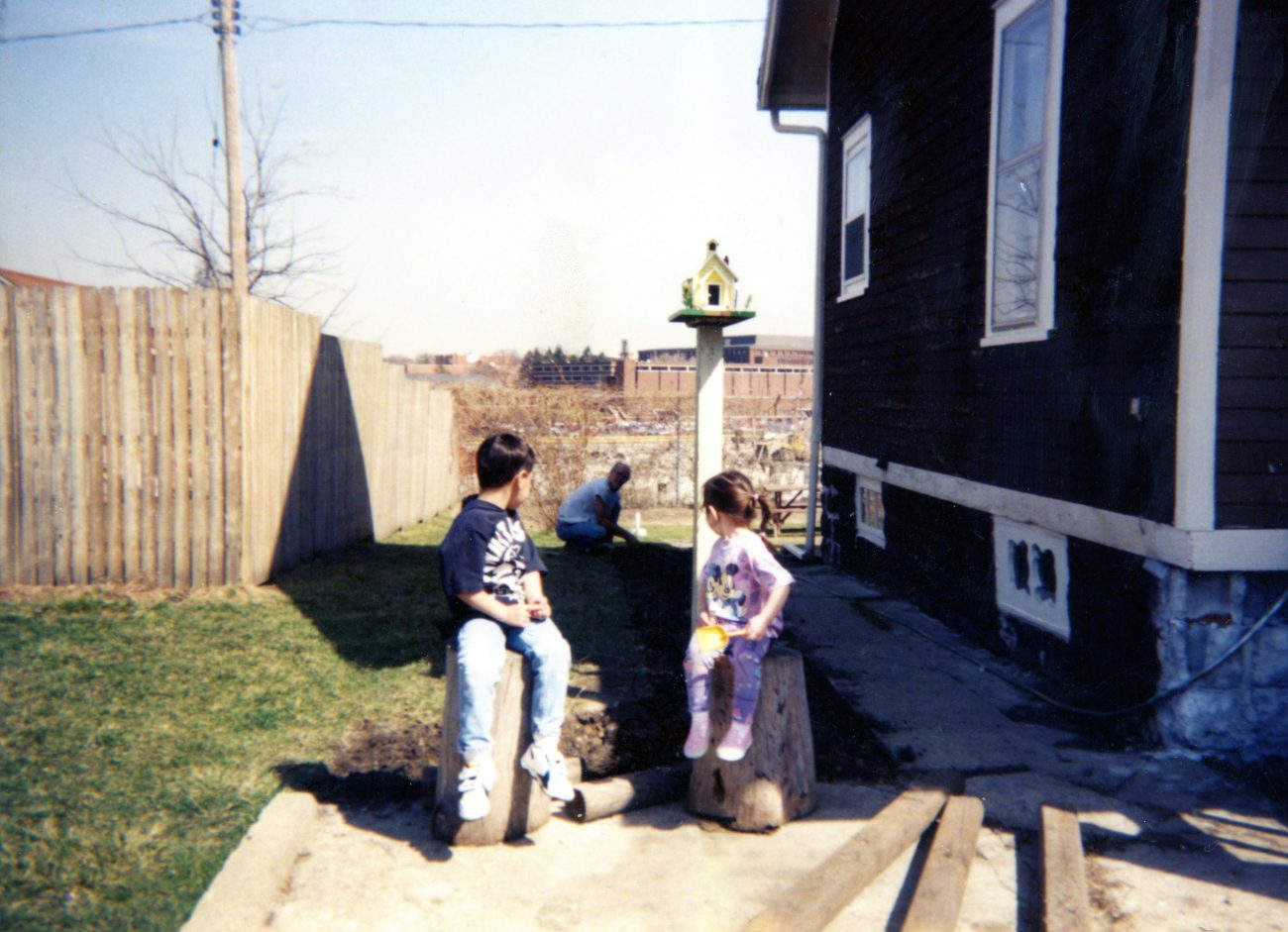
The Afternoon Leo Asked Me to Build a Birdhouse
One afternoon, Sarah brought Leo to visit.
The weather was pleasant, and the garden was beginning to look better after a long period of neglect.
Leo had recently become interested in building things. He liked watching simple projects come together and asking questions about how different pieces worked.
That day, he had a request.
“Grandma, can we make a birdhouse?”
I smiled.
“Of course we can.”
The question brought back memories of my late husband. He had always enjoyed working with his hands, and our garage still held many of the tools he had used over the years.
I went inside and opened his old tool chest.
The familiar smell of wood, metal, and machine oil brought back memories of afternoons when he would repair something around the house while I watched or helped hold the pieces in place.
Leo stood beside me, looking at the tools.
“What’s this one for?” he asked.
I explained that it was a measuring tape.
“And that?”
“A small saw. We’ll use it carefully, and I’ll show you how to handle it safely.”
We chose some pieces of wood and began measuring.
Leo wanted to understand everything. He asked why the sides needed to be the same length and why the opening had to be a certain size.
I let him help mark the measurements and arrange the pieces.
We worked slowly, checking each part before moving to the next.
Sarah sat nearby, watching us.
At one point, I noticed her looking at the old tool chest.
“Dad used to spend hours out here,” she said.
“He did,” I replied. “He would have loved helping Leo with this.”
For a while, nobody said anything more.
There were no arguments about bills, no questions about the mortgage, and no discussion about the debt.
There was just the sound of Leo asking another question and the quiet pleasure of working together.
When we finished, the birdhouse wasn’t perfect.
