I read everything but decided not to respond immediately.
Instead, I opened a small notebook.
Months earlier, I had written down a few things I wanted to do once I had more freedom.
Visit the coast.
Plant roses.
Take a painting class.
Meet old friends for lunch.
Learn to bake the lemon cake Robert used to enjoy.
None of those plans were extraordinary.
But they represented something I had almost forgotten: the freedom to enjoy my own life.
The following morning, I called Thomas and told him what had happened.
He reminded me to keep all property-related communication formal and to follow the applicable legal procedures.
I agreed.
I wasn’t interested in creating unnecessary conflict. I simply wanted the situation resolved properly.
A few days later, Sarah and Greg contacted him.
They requested additional time before moving out.
Thomas discussed their request with me and explained the legal requirements. After considering the circumstances, I agreed to a reasonable transition period, provided everything was handled in writing.
I wasn’t going to change the locks, remove their belongings, or take any action outside the law.
But I also wasn’t going to abandon my decision.
The Conversation About the House Sarah Expected to Inherit
During one conversation, Thomas mentioned something else.
Sarah had asked whether the original house could eventually be transferred to her.
Apparently, she believed that because Robert and I had once discussed leaving the property to her in our estate plans, she was entitled to expect it.
I was surprised.
My estate arrangements had been reviewed after Robert’s death, and I retained full ownership and control of the property.
I had never promised Sarah that the house would become hers while I was alive.
When Thomas asked how I wanted to handle the matter, I told him I wanted my wishes clearly documented.
I wasn’t making decisions based on anger. I simply wanted my estate plan to reflect my actual intentions, including the possibility that my circumstances and relationships might change.
After that conversation, I asked him to help me review the documents once again.
It was an uncomfortable task, but an important one.
I had learned that avoiding difficult conversations did not make problems disappear. It only allowed other people to make assumptions.
Sarah Finally Came to See My New Home
A week after I moved into the cottage, Sarah called.
“Mom, can I visit your new place?”
I smiled.
“Of course you can.”
She sounded relieved.
“Really?”
“Yes. But I want us to understand something. This is my home, and I need you to respect that. You’re welcome to visit, but I will make my own decisions about my home, finances, and daily life.”
There was a pause.
“I understand,” she replied.
We arranged for her to visit the following Sunday.
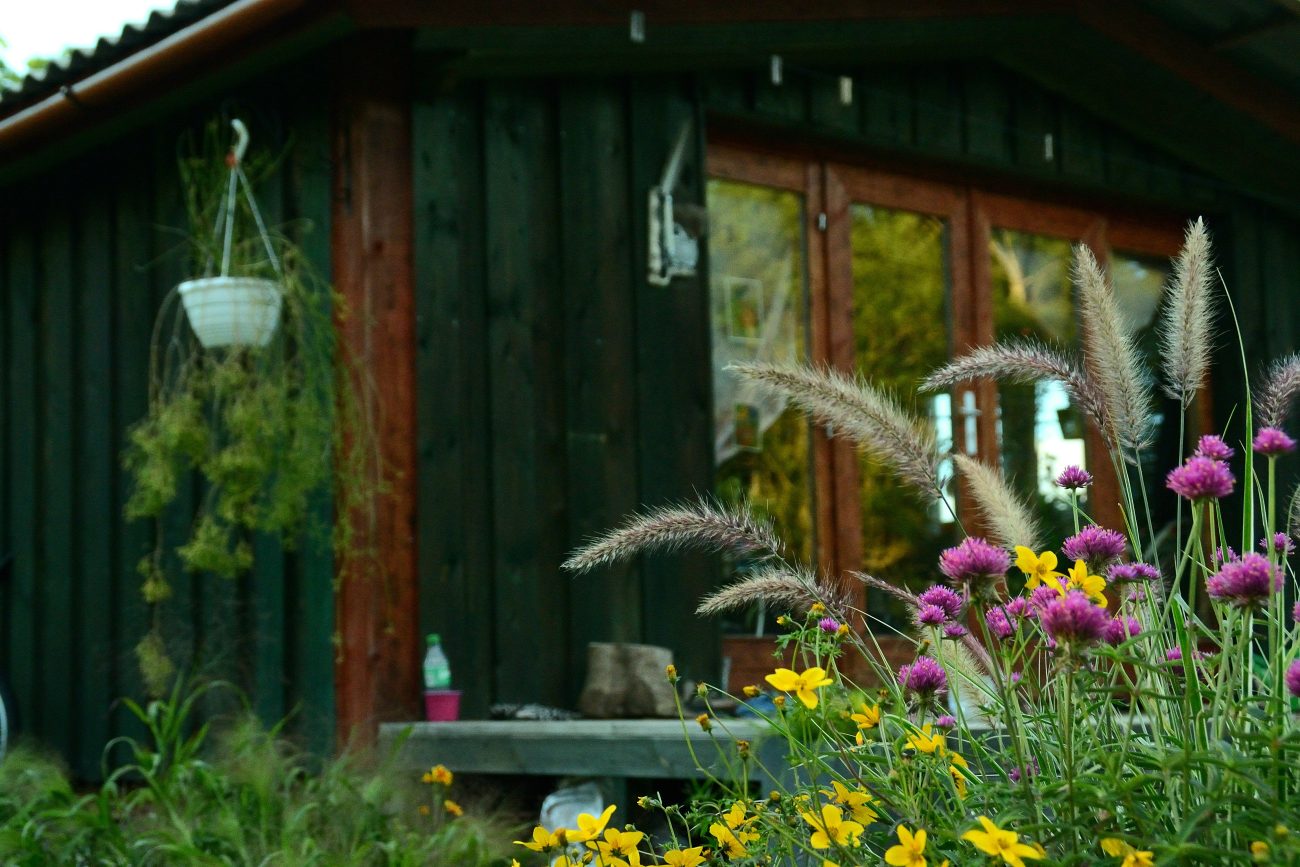
I spent the morning preparing tea and arranging fresh flowers on the dining table.
At exactly two o’clock, Sarah arrived.
She was alone.
When I opened the door, she handed me a small paper bag.
“I brought you something.”
Inside was a framed photograph of Robert, Sarah, and me at her graduation.
I hadn’t seen the picture in years.
“Thank you, sweetheart,” I said.
She looked around the living room.
“Your house is beautiful, Mom.”
“I’m glad you like it.”
Her eyes settled on the wedding photograph above the fireplace.
“Dad would have loved this place.”
I smiled.
“I think he would have.”
We sat at the dining table and talked over tea and homemade lemon cake.
For a while, the conversation was ordinary. She told me about work, and I told her about my plans for the garden.
