Her face went pale.
“What allegations?”
I answered before he could.
“Assault. Financial fraud. And potentially attempted murder.”
Lisa stared at me.
Then she began laughing.
It was an uncomfortable, forced laugh.
“You’re accusing me of trying to kill you? That’s ridiculous!”
Marcus calmly replied.
“We’re not asking you to explain yourself right now. You’ll have an opportunity to respond through the appropriate legal process.”
Lisa looked around the room.
Then her eyes landed on Leo.
“You little liar.”
That was the moment everything changed.
Leo began trembling.
Marcus immediately stepped between them.
“Do not approach the child.”
Lisa stopped.
The investigator entered the room and informed her that they needed to speak with her about the allegations. She would have an opportunity to respond through the proper process.
She looked furious.
“You can’t do this!”
Marcus remained composed.
“Please cooperate.”
As she was escorted toward the door, she turned around and looked at me.
“You think you’ve won?”
I held her gaze.
“No, Lisa. I think Leo finally has a chance to be safe.”
The door closed behind her.
For the first time in eleven days, my grandson began to breathe normally.
What the Investigation Revealed
The investigation continued over the following weeks.
Medical records, financial documents, visitor logs, and the digital recording were carefully examined. Investigators also reviewed the circumstances surrounding my fall.
The recording provided important leads, although it required further verification before it could establish exactly what had happened.
My medical records helped establish the seriousness of my injuries and the timeline of my hospitalization. Investigators also examined who had visited me, who had access to the house, and what had happened in the hours before I was found at the bottom of the staircase.
The financial records raised additional questions.
My attorney, Richard Collins, confirmed that the trust established for Leo had remained protected. However, several suspicious inquiries had been made about its administration.
There were also discrepancies involving documents Lisa had submitted after my hospitalization.
I later learned that she had contacted the insurance company shortly after my accident, asking about the process for releasing the policy benefits.
The company had not approved any payment.
That detail became particularly important.
The policy named Leo as its beneficiary. Lisa’s role as his guardian did not automatically make the money hers, and the trust arrangements were designed to protect his interests.
I had never intended that money to become a reward for anyone responsible for my death.
Meanwhile, Leo began receiving support from child-protection professionals.
For the first time in a long while, he could sleep without worrying about what would happen when he returned home.
He also began speaking more openly about the things that had frightened him.
Some days were difficult. Other days, he smiled and talked about school, his favorite cartoons, and the things he wanted to do once I was released.
I made sure he understood that none of what had happened was his fault.
One evening, while sitting beside my hospital bed, he asked me a question.
“Granny, are you going to die?”
My heart broke.
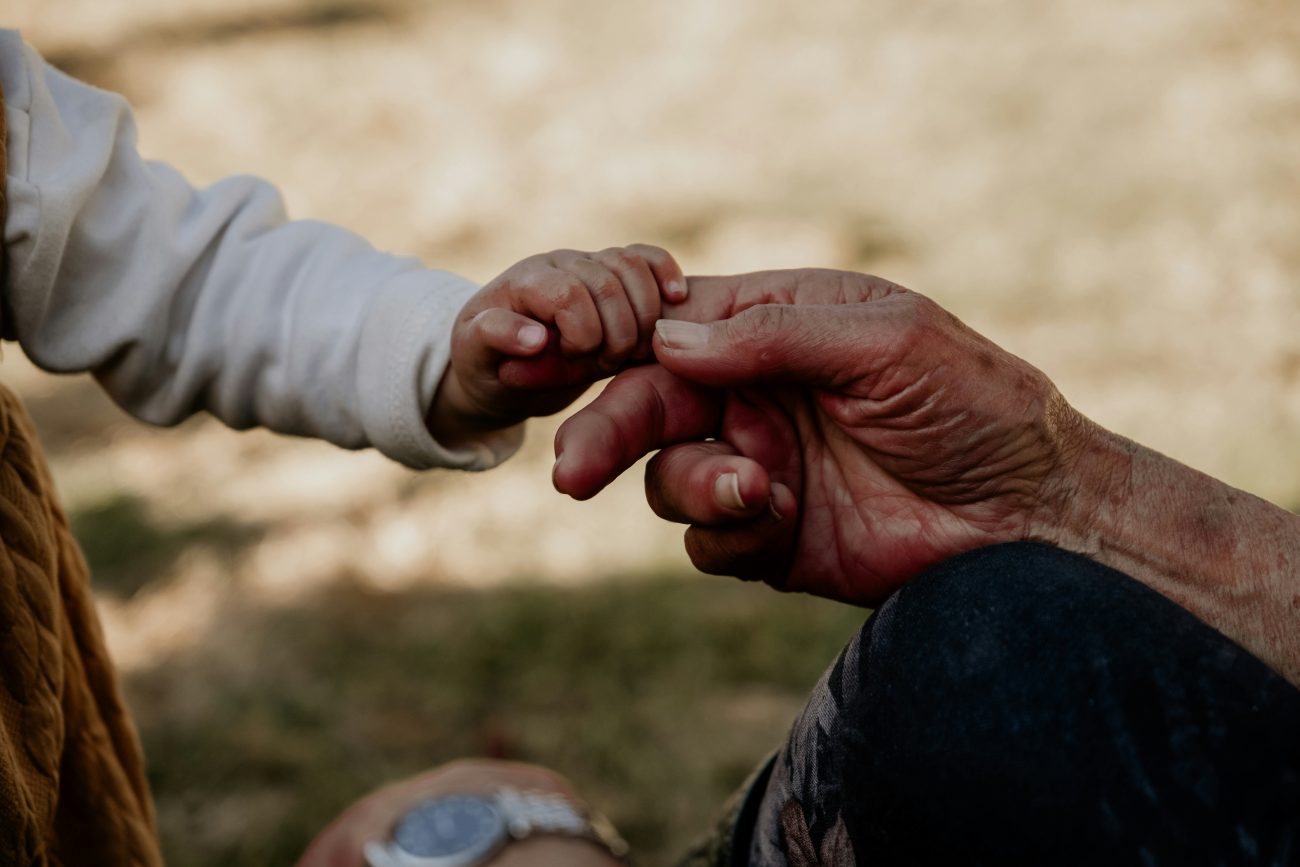
I reached for his hand.
“Not today, sweetheart.”
He looked at me seriously.
“Promise?”
I kissed his forehead.
“I promise to keep fighting. And you don’t have to protect me all by yourself anymore.”
He leaned against my shoulder.
For the first time, he fell asleep without holding tightly to the hospital blanket.
The Day I Finally Went Home
Several weeks later, I was finally discharged from the hospital.
My recovery was slow, and I needed assistance with everyday activities. I had to attend follow-up appointments and rebuild my strength one day at a time.
