Dot was quiet.
“Are you satisfied?”
I thought about it.
“I’m relieved.”
“That’s different.”
“It is.”
I looked at the little Christmas card sitting beside my telephone.
Hal used to say that family was supposed to be a place where people could ask for help without being ashamed.
He also believed that kindness should never become an excuse for someone else to take advantage.
After he died, I think I tried too hard to keep everyone close.
I paid bills because I wanted to help.
I brought food because I wanted to be useful.
I said yes because I didn’t want anybody to feel disappointed.
And sometimes, I confused being needed with being loved.
That was a hard thing to admit.
But I had learned something important.
I could love my son without paying his bills.
I could love my daughter-in-law without accepting disrespect.
I could help my grandchildren without taking responsibility for every adult in their family.
And I could still bring homemade noodles to Christmas without feeling that I owed anyone a place at the table.
The following spring, Kyle and Brittany invited me to Sunday dinner.
There was no handwritten menu.
There was no price card beside my plate.
Brittany had made a roast, and Kyle had prepared the vegetables.
When I arrived, she took the dish from my hands.
“I made the rolls this time,” she said. “I hope they’re okay.”
I smiled.
“I’m sure they’ll be wonderful.”
After dinner, Kyle walked me to my car.
“Mom?”
“Yes, sweetheart?”
“Thank you for helping us all those years.”
I looked at him.
“You’re welcome.”
“And I’m sorry I didn’t tell Brittany about the phone bills.”
“I know.”
He hesitated.
“I should have stood up for you.”
I reached over and squeezed his hand.
“Yes, you should have.”
He nodded.
Then I kissed his cheek and drove home.
I still pay for my grandchildren’s phone lines.
I still make noodles for family gatherings.
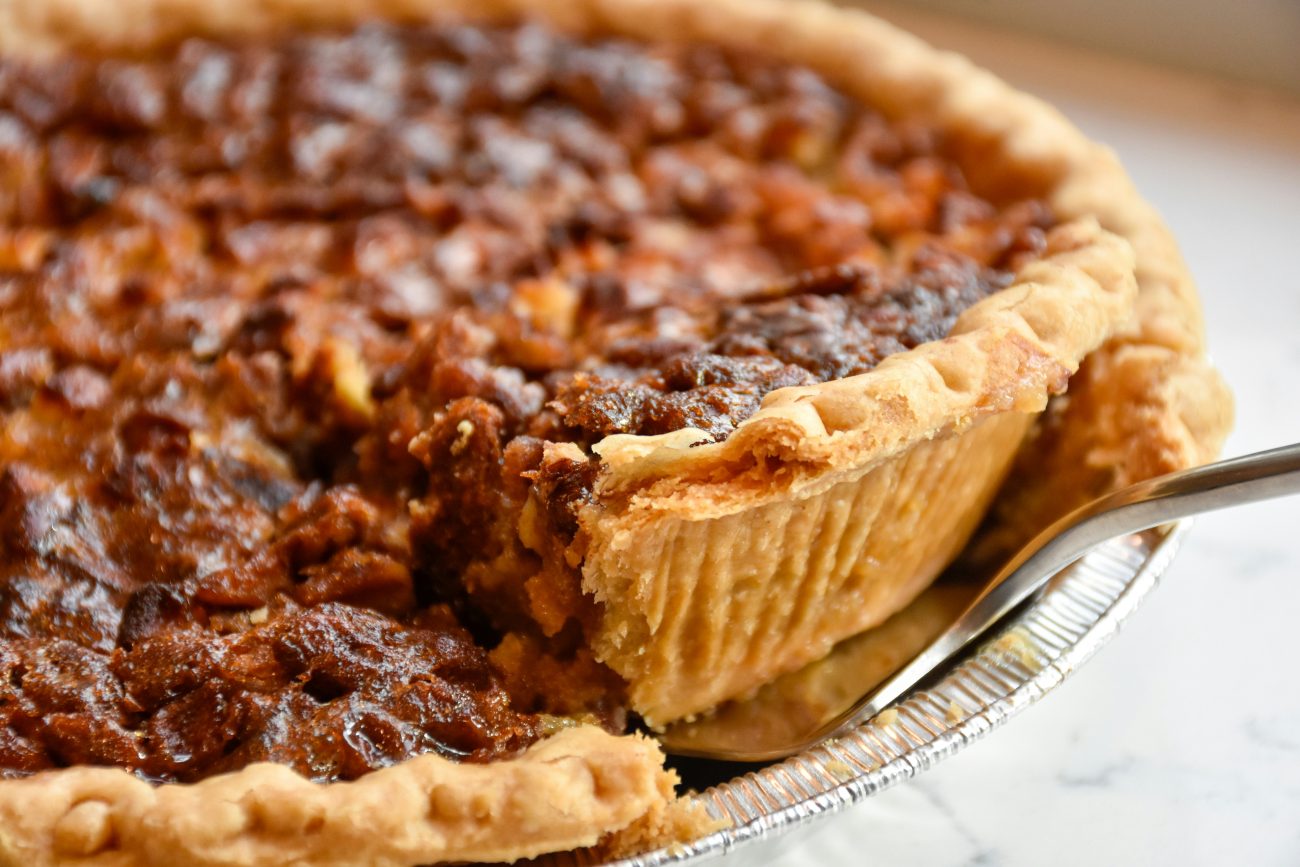
I still bake Hal’s favorite pecan pie every Christmas.
But I no longer pay the bills of grown adults who are perfectly capable of paying their own.
And I no longer confuse a quiet smile with permission to treat me unfairly.
At sixty-eight, I have learned that being generous doesn’t mean being available for every expense.
Family should be able to share a meal without turning love into an invoice.
And if someone insists that everybody pay their fair share, that’s fine.
Just make sure the rules apply to everybody.
Even the people who brought the pies.
At Thanksgiving, my son’s wife charged me $45 for my plate.
“Everybody pays their fair share now, Mom.”
Her own parents ate for free. I’d baked both pies, brought the homemade noodles, and even supplied the rolls. Still, she expected me to pay for the meal I had helped prepare.
I smiled, handed her two twenties and a five, and asked for a receipt.
She thought I was being ridiculous.
What she didn’t know was that I’d been paying the entire family’s cell phone bills for years. Her parents’ phones, too. My son Kyle was the only one who knew where that money came from.
At Christmas, I brought little red envelopes for everyone.
And when her daddy opened his first envelope and read what was inside out loud, nobody touched their dessert.
My name is Georgia Ann. I’m sixty-eight years old, a widow, and a retired deli worker.
I spent thirty-one years behind the counter at Kroger. I can slice a pound of ham to the exact weight without even looking at the scale. I know how to stretch a grocery budget, how to make a little food feed a lot of people, and how to keep a family together even when life gets difficult.
