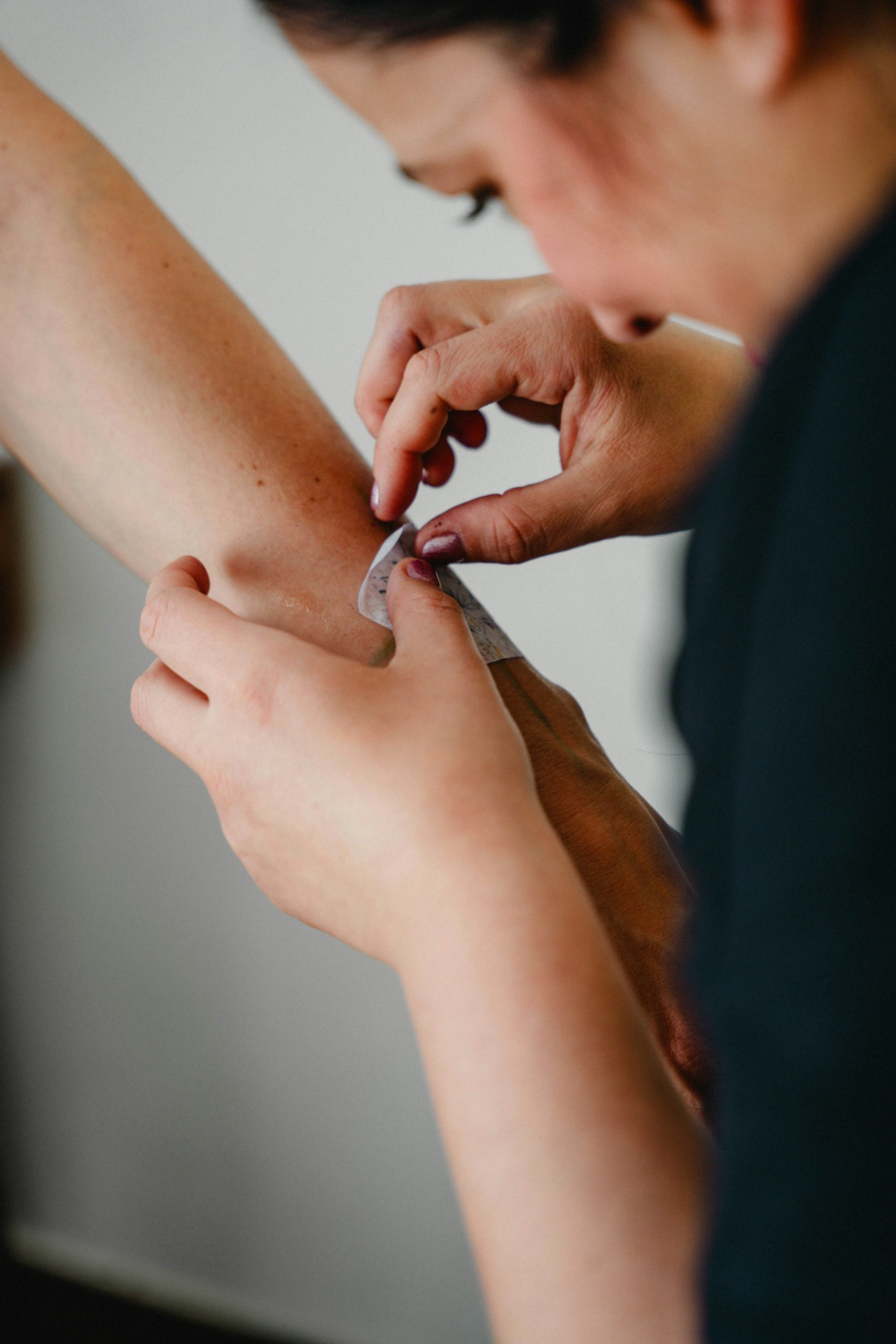
Parents can make this evaluation more useful by keeping track of what happens between episodes.
Helpful information includes:
- When the first welts appeared
- How frequently new welts develop
- Whether individual spots disappear within 24 hours
- Whether the rash moves to different parts of the body
- Whether itching becomes worse at night
- Whether symptoms follow particular foods, medications, infections, or activities
- Whether the child experiences swelling or other symptoms
Photographs can also be helpful. Since hives sometimes disappear before an appointment, pictures taken during an episode may allow the doctor to see what the rash looks like.
If the symptoms are persistent, the doctor may consider whether the child needs evaluation by a pediatric dermatologist or allergist.
Routine laboratory testing is not required for every child with typical hives. Additional investigations depend on the child’s history, examination, and any unusual symptoms.
For example, lesions that remain in exactly the same location for longer than 24 hours, cause pain rather than itching, or leave bruising or discoloration may suggest something other than ordinary hives.
These differences are worth discussing with a healthcare professional.
What Can Parents Do to Help Relieve Itching?
When hives are mild and the child otherwise feels well, several simple measures may help make the symptoms more comfortable.
Use Cool Compresses
A clean, cool, damp cloth placed gently over an itchy area may help reduce discomfort.
Cool baths can also provide temporary relief, particularly when the rash affects larger areas of the body.
Very hot water should be avoided because heat may make itching worse in some children.
Choose Loose, Comfortable Clothing
Tight clothing can rub against irritated skin and increase discomfort.
Soft, breathable fabrics and loose-fitting clothes may help reduce friction, especially around the waist, arms, and legs.
Parents may also want to avoid overdressing children when they are already warm or sweating.
Keep the Skin Comfortable
Gentle skin care can help prevent additional irritation.
Avoid strongly scented soaps, harsh cleansers, and products that appear to make the itching worse.
Keeping fingernails short may also reduce skin damage if a child scratches during sleep.
Ask About Appropriate Antihistamines
Antihistamines are commonly used to relieve itching associated with hives.
A pediatrician may recommend a suitable medicine, such as cetirizine, depending on the child’s age, weight, health history, and other medications.
Parents should follow the product instructions and professional advice rather than choosing a dose based on another child’s treatment.
Some older antihistamines can cause significant drowsiness. Others may have different age restrictions or side effects.
Do not combine several allergy medicines or increase the recommended dose without medical guidance.
For children whose hives continue for weeks, a doctor may recommend a treatment plan designed to control recurring symptoms rather than treating each episode separately.
When Should Parents Seek Medical Attention?
Most cases of childhood hives are not emergencies. Nevertheless, certain symptoms require prompt evaluation.
Get Emergency Help for Signs of a Severe Allergic Reaction
Hives accompanied by symptoms affecting breathing, circulation, or the mouth and throat can indicate anaphylaxis, a potentially life-threatening allergic reaction.
Seek emergency medical help immediately if a child develops hives together with:
- Difficulty breathing or wheezing
- Swelling of the tongue or throat
- Difficulty swallowing
- A hoarse voice or sudden difficulty speaking
- Dizziness, fainting, or collapse
- Unusual weakness or severe drowsiness
- Repeated vomiting or other concerning symptoms following a suspected allergen exposure
Do not wait for the rash to disappear or assume that an antihistamine will be enough.
If the child has a prescribed epinephrine auto-injector and an emergency allergy action plan, follow those instructions and contact emergency services.
Arrange a Medical Appointment for Persistent Symptoms
Even when there are no emergency symptoms, parents should arrange a medical evaluation if hives continue for more than six weeks.
