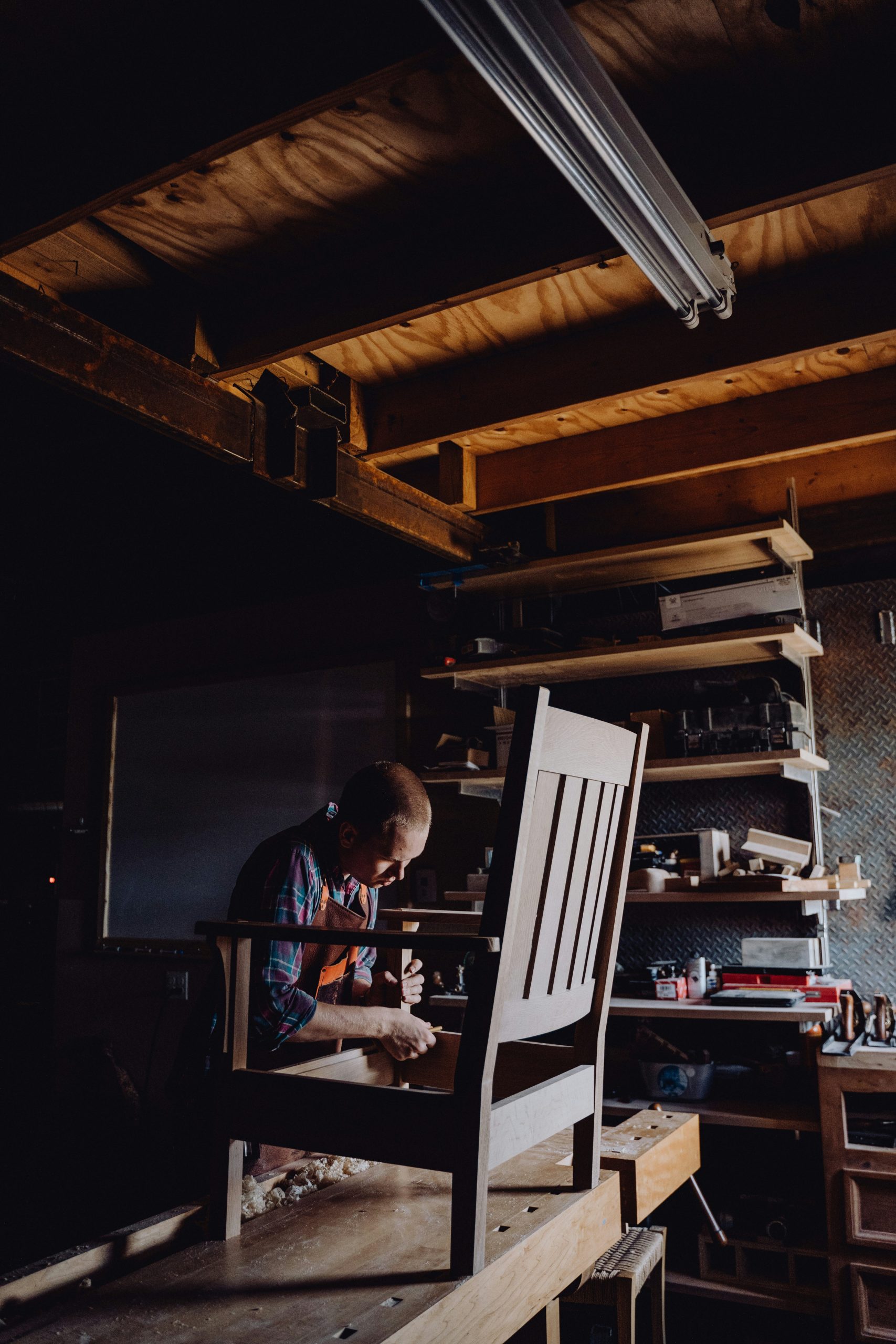
He would tell me he was staying at Cole’s house, pack a bag, and leave on Friday afternoon.
On Sunday, he would return home tired but apparently fine.
I never questioned the arrangement.
Denise had no reason to question it either. When Cole said he was staying with Nathan, she trusted him.
For weeks, the boys maintained their stories without either mother noticing anything wrong.
Until that phone call.
“When is my son coming home?” Denise had demanded.
I remember gripping the phone so tightly that my fingers began to ache.
“What do you mean? Nathan told me Cole was at your house.”
There was a pause.
Then Denise said, “Cole told me he was at yours.”
Neither of us spoke for a moment.
The implications were frightening. We had spent eight weekends believing our sons were safe because we thought they were with each other. In reality, we had no idea where they had been sleeping, what they had been doing, or whether they were safe at all.
I called Nathan repeatedly.
No answer.
I sent messages.
Nothing.
Denise tried Cole.
He didn’t respond either.
As the afternoon slipped into evening, our fear grew. We contacted friends, searched the places the boys usually visited, and tried to piece together their recent movements.
Eventually, we contacted local law enforcement.
By then, I was barely able to think clearly.
I kept imagining every possible danger, each scenario worse than the last. I wondered whether the boys had gotten into trouble, whether someone had taken advantage of their secrecy, or whether they were somewhere they couldn’t get out of.
Then I found the receipt.
And suddenly, I had a different kind of question.
What had Nathan been doing with sandpaper, wood glue, and paintbrushes?
The Receipt That Brought Back Memories of Michael
I carried the receipt into the kitchen and spread it flat on the table.
The date was only two days earlier.
Fine-grit sandpaper. Industrial wood glue. Professional-grade paintbrushes.
The items sounded like the supplies someone might need to restore a piece of furniture.
I thought back to the questions Nathan had been asking the previous month.
He had wanted to know whether his father still had certain tools. He had asked about the old workshop and whether any of Michael’s projects had been left unfinished.
At the time, I had barely paid attention.
I had been working on a deadline, and the questions made me uncomfortable. Talking about Michael’s unfinished projects reminded me of all the plans he had never had the chance to complete.
I remembered telling Nathan that we could discuss it another time.
Apparently, another time had never come.
I sat at the kitchen table, staring at the receipt.
Could the boys have been spending their weekends in Michael’s old workshop? Had Nathan found something there he wanted to repair?
The possibility gave me a small measure of hope, but it didn’t answer the most important question.
Why had he felt he needed to hide it from me?
The hours dragged on.
Every time my phone rang, my heart jumped. Every time it remained silent, I imagined the worst.
I moved between Nathan’s room and the living room, searching for clues I might have overlooked. His bed was unmade, clothes were scattered across a chair, and a half-finished school assignment lay on his desk.
Everything looked ordinary.
That was what made the situation so terrifying.
My son had been living a secret life for weeks, and I hadn’t noticed.
At some point, I sat down on the edge of his bed and looked around the room.
I had always believed that being a good mother meant keeping him safe, providing for him, and making sure he had opportunities I hadn’t always had myself.
