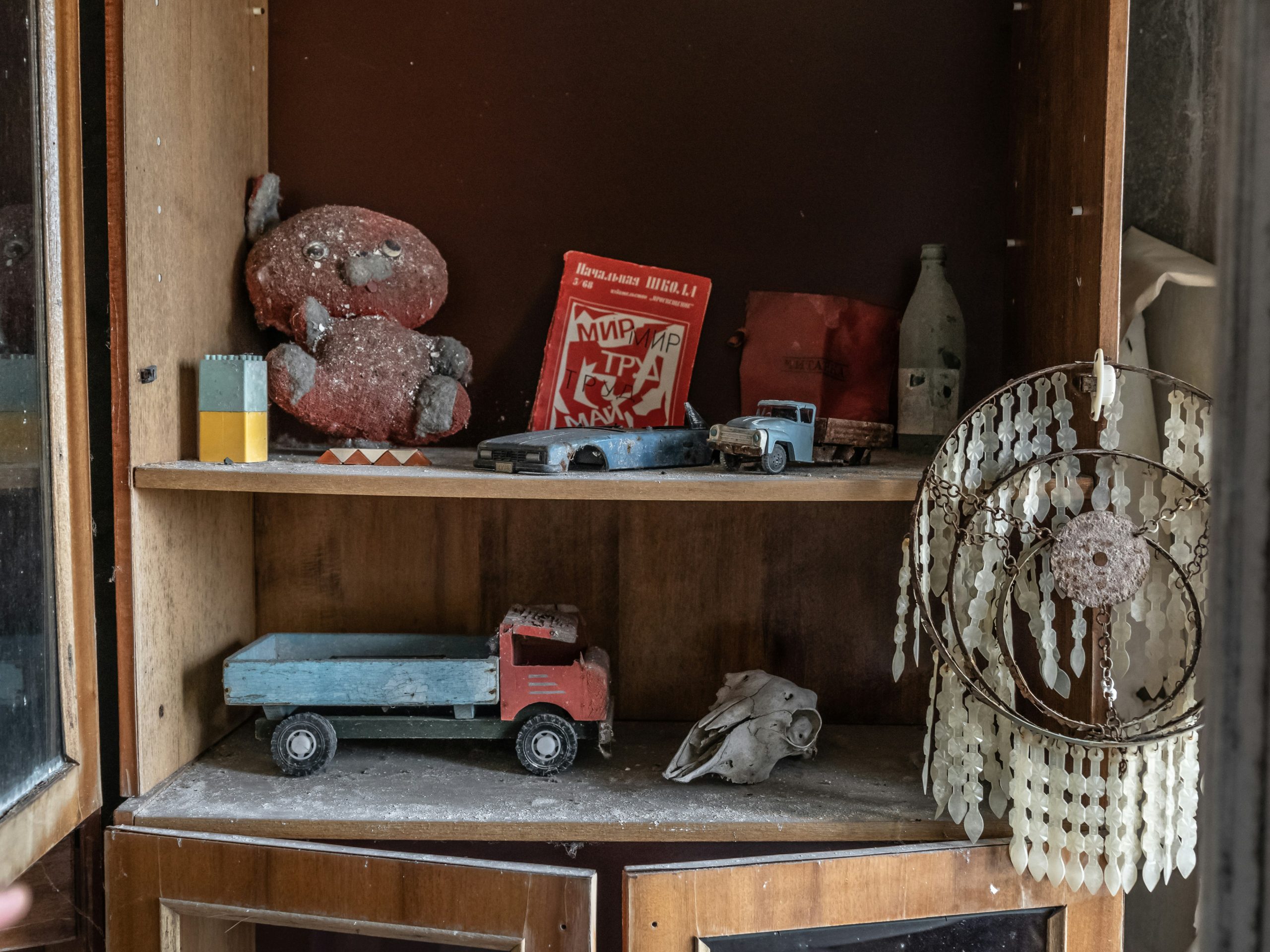
The things that once occupied our attention for hours can gradually disappear beneath responsibilities, schedules, work, and everyday concerns.
We don’t necessarily stop being imaginative. Sometimes we simply stop giving ourselves the time to explore it.
That little notebook reminded me of a version of myself who had not yet learned to worry about all the things adults eventually carry.
A Photograph of My Grandfather
Next to the notebook was a small leather-bound photo album.
I opened it slowly, careful not to damage the old pages.
Inside were photographs from family gatherings, birthdays, holidays, and ordinary days that had somehow become important enough to preserve.
One picture showed a summer barbecue in the backyard. Another captured relatives standing together beside a decorated Christmas tree.
There were photographs of childhood friends, some of whom I hadn’t seen in years.
Then I turned another page and found a photograph of my grandfather.
He was standing beside the old swing set that had once occupied the yard. He was smiling directly at the camera, looking relaxed and familiar.
I remained on that page for a long time.
My grandfather had passed away many years earlier, but seeing his face brought back memories with surprising clarity.
I remembered his presence around the house and the feeling of being near someone whose experiences seemed so much greater than my own. I remembered the small moments that might not have seemed important at the time but became precious after he was gone.
There was something different about seeing his photograph among those childhood belongings.
It wasn’t simply a picture of someone I had lost. It connected him to the home, the yard, and the years when those places were part of my everyday world.
For a moment, the distance between the past and the present seemed much smaller.
The Small Objects That Carried Surprisingly Big Memories
The more I explored the chest, the more memories began returning.
There was a little metal whistle I had used while pretending to be a referee during neighborhood games. I could almost hear the sound it made when I blew into it.
A handful of marbles had been tucked into one corner. I remembered treating them like valuable treasures, carefully keeping my favorites separate from the rest.
There was also an old baseball glove.
Its leather had become stiff, and it looked as though it had spent many years without being touched. Yet I remembered afternoons at the park, playing with friends and trying to catch balls that were sometimes thrown much too high or too far.
The memories weren’t all connected to major events.
Most were ordinary experiences: games, afternoons outside, family gatherings, and moments that probably seemed unremarkable when they happened.
That was what made the discovery so interesting.
I hadn’t deliberately tried to remember those moments. I hadn’t looked at old photographs or asked anyone about my childhood.
The objects had simply brought them back.
Why Familiar Objects Can Bring Back Forgotten Memories
There is a reason an old photograph, childhood toy, or familiar smell can suddenly make the past feel close.
Our memories are not stored as isolated recordings. Remembering something often involves connections between different details: a place, a person, an object, a sound, or an emotion.
An object can act as a reminder that helps bring those connections back into awareness.
A childhood toy might recall the room where it was used. That room might bring back the people who lived there. A photograph can lead to memories of a family celebration, including conversations and small details that were never written down.
Psychologists often describe objects that help people reconnect with personal experiences as memory cues.
