Instead, I left holding her newborn son.
I remember the weight of Lucas against my chest. He was so small that his entire hand could wrap around one of my fingers. He had no idea that the person who had carried him for nine months would never get to watch him grow.
I was grieving my daughter while trying to learn how to care for her child.
For the first few weeks, I kept expecting Daniel to appear.
I thought perhaps he had been overwhelmed by the news of Teagan’s death. Maybe he needed time to understand what had happened. I imagined him walking into the hospital or calling to ask about his son.
But no one came.
Eventually, I stopped waiting.
I returned to work, arranged childcare, and reorganized my life around Lucas. I learned which bottles he preferred, how to recognize the sound of his different cries, and how to get him to sleep when nothing seemed to work.
There were nights when I sat on the edge of my bed with him in my arms, exhausted and lonely, wondering how I was going to manage.
Then morning came, and he smiled at me.
That was enough to get me moving again.
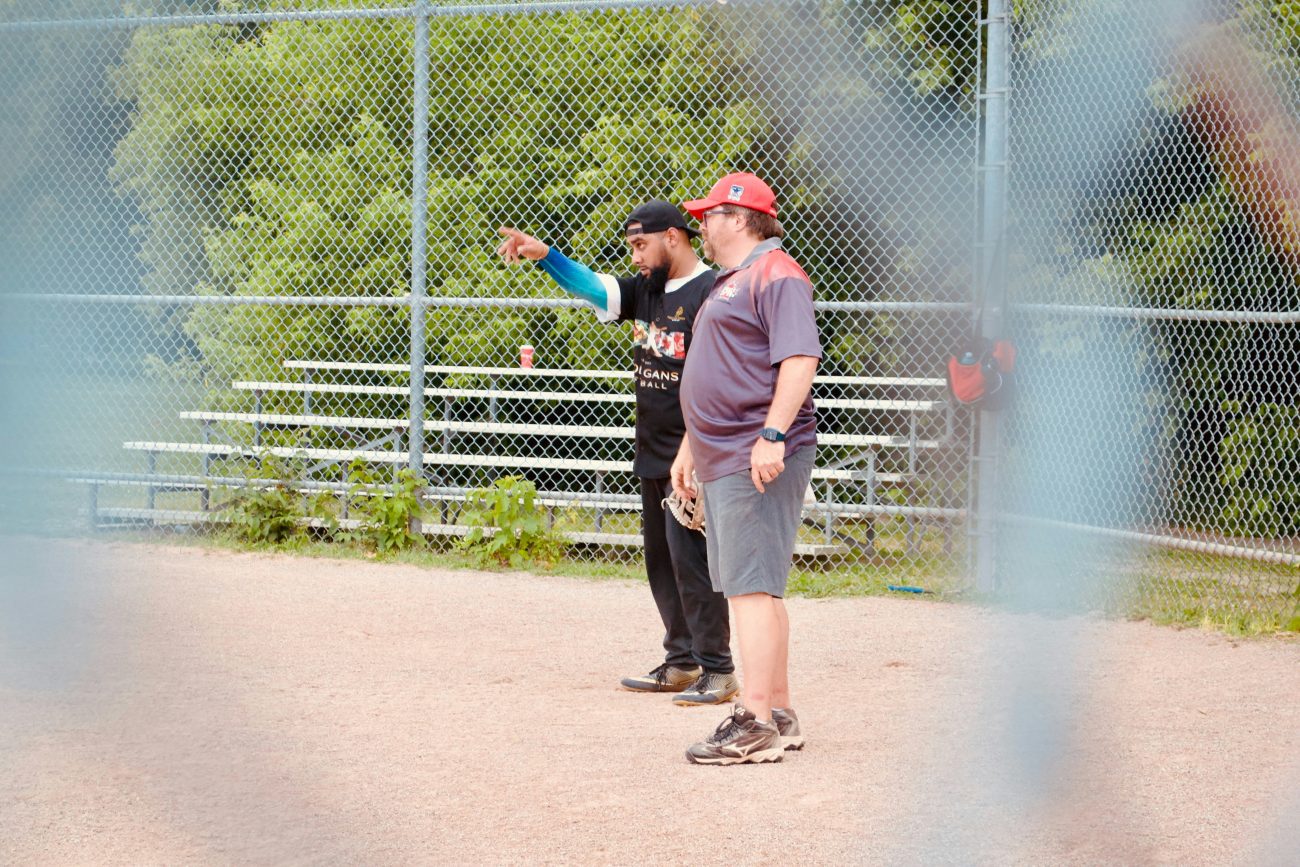
As the years passed, I became the person he depended on. I attended every school meeting, every birthday party, and every little league practice. I learned the names of his friends and the things that made him laugh.
I was his grandmother, but I was also the person who packed his lunches, signed his permission slips, and sat beside him when he was sick.
I never wanted him to feel that he had been left without a family.
Still, there was an empty space in his life that I couldn’t fill.
The Question I Never Knew How to Answer
Lucas began asking about his father when he was old enough to notice that other children had two parents at school events.
At first, his questions were simple.
“Does my dad live far away?”
“I don’t know,” I told him.
“Does he know about me?”
I hesitated.
“I believe he does.”
“Then why doesn’t he visit?”
That question hurt more than the others.
I could have told him that Daniel had never come forward. I could have said that I had no idea where he was or why he had stayed away. But I worried that giving a child every detail of an adult’s absence would only make him feel more rejected.
So I kept my answers short.
“I don’t know, sweetheart. But you are loved. Never forget that.”
Lucas would usually nod and return to whatever he had been doing.
Sometimes he asked whether his father looked like him. Sometimes he wondered if they liked the same sports. Once, after seeing a father teach his son how to ride a bicycle, he asked whether his own dad would have taught him.
I told him I would have taught him if he wanted to learn.
And I did.
I ran beside him, holding the back of the bicycle seat until he found his balance. When he finally rode several feet without falling, he shouted so loudly that a neighbor came outside to see what had happened.
I cheered as though he had won a championship.
But that night, after Lucas went to bed, I cried in the kitchen.
I wasn’t angry that I had raised him. I loved him more than I could explain. I was angry that my daughter had missed every one of those moments and that her son had to grow up with questions no child should have to carry alone.
