A few simple steps can help:
-
Photograph the marker. Capture the entire post, its visible lettering, and its surroundings.
-
Record its location. Note the trail, nearby road, or general geographical area. GPS coordinates can be useful for personal research.
-
Look for identifying letters. Abbreviations such as R/W, ROW, or the name of a transportation department may provide useful clues.
-
Search historical maps. Compare older road maps with current maps to see whether a former route passed through the area.
-
Consult transportation records. State and county highway departments may preserve historical engineering drawings, right-of-way plans, and survey information.
Historical transportation archives can be particularly valuable.
For example, the Virginia Transportation Research Council published a detailed study of early Virginia road stones, directional markers, and milestones. The research documented surviving examples and explained how older road markers can provide evidence of transportation history.
Virginia Transportation Research Council+1
Not every marker will have an easily traceable history, but even a little research can reveal surprising information about the surrounding community.
Why Preserving These Forgotten Objects Matte Small historical objects are often vulnerable because people do not immediately recognize their significance.
A concrete post might appear to be nothing more than an obstacle in the grass. Someone could mistake it for construction debris or an abandoned piece of building material.
In other situations, people may remove old markers because they believe they are no longer useful.
Unfortunately, once a historical marker is moved or destroyed, valuable information about its original location can be lost.
Its position may have been connected to an old road alignment, property boundary, or survey reference. Removing it can make later identification considerably more difficult.
This is why anyone discovering a possible historical marker should avoid digging it up, moving it, painting over its lettering, or attempting to restore it without permission.
If the object appears historically significant, photographing it and contacting a local historical society or relevant transportation authority is a better approach.
Preserving the surrounding context can be just as important as preserving the object itself.
The Fascinating History Hidden Along Old Roads
There is something special about discovering evidence of an earlier landscape.
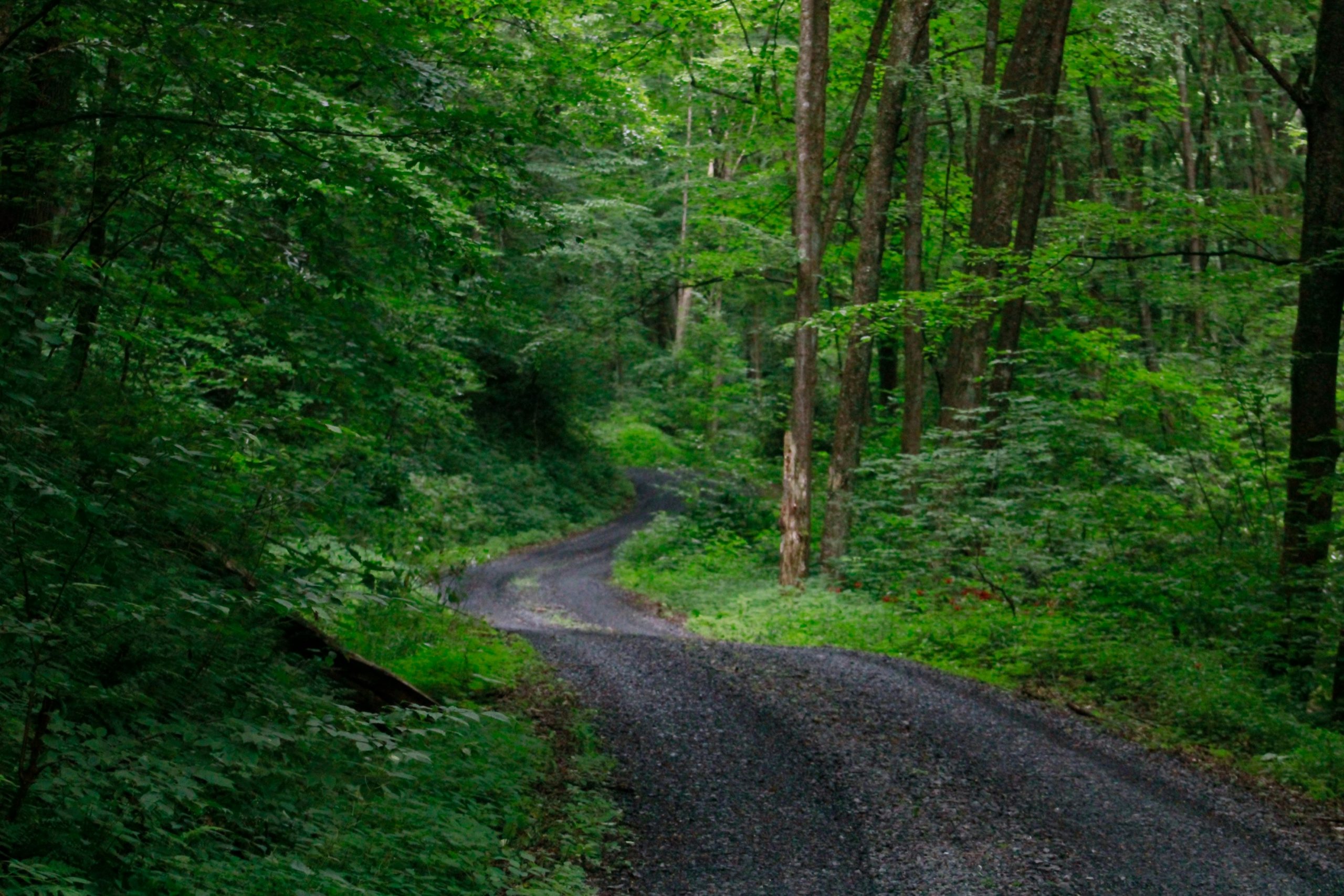
A forest that appears untouched today may once have been crossed by a busy road. A quiet trail might follow an old transportation corridor that connected communities long before a modern highway was constructed.
These forgotten routes were part of everyday life.
Farmers used roads to transport crops. Families traveled between towns. Delivery vehicles carried supplies, and workers depended on reliable connections between settlements.
Most of these journeys were never recorded as important historical events.
Yet they helped shape how communities developed.
A small concrete marker can serve as a reminder of that everyday history.
It may not tell the entire story by itself, but it can encourage people to investigate the road network, engineering decisions, and local development that once shaped the area.
And sometimes, that is all it takes to turn an ordinary walk into a fascinating historical discovery.
A Small Marker With a Much Bigger Story
The next time you explore an old forest trail or walk along a forgotten backroad, take a moment to notice the details around you.
Look beyond the trees and vegetation. Pay attention to unusual changes in the terrain, old drainage channels, fragments of gravel, and small objects that seem out of place.
A weathered concrete post might be nothing more than an ordinary boundary marker. But if it carries the right markings and can be connected to historical records, it may reveal the location of a road corridor that has largely disappeared from the modern landscape.
That is the beauty of discovering forgotten infrastructure.
It reminds us that landscapes are not always what they appear to be. Places that seem untouched may contain traces of generations of human activity.
And sometimes, the most interesting historical discoveries are not found inside museums or behind glass displays.
They are standing quietly beside an overgrown trail, waiting for someone curious enough to stop and take a closer look.
