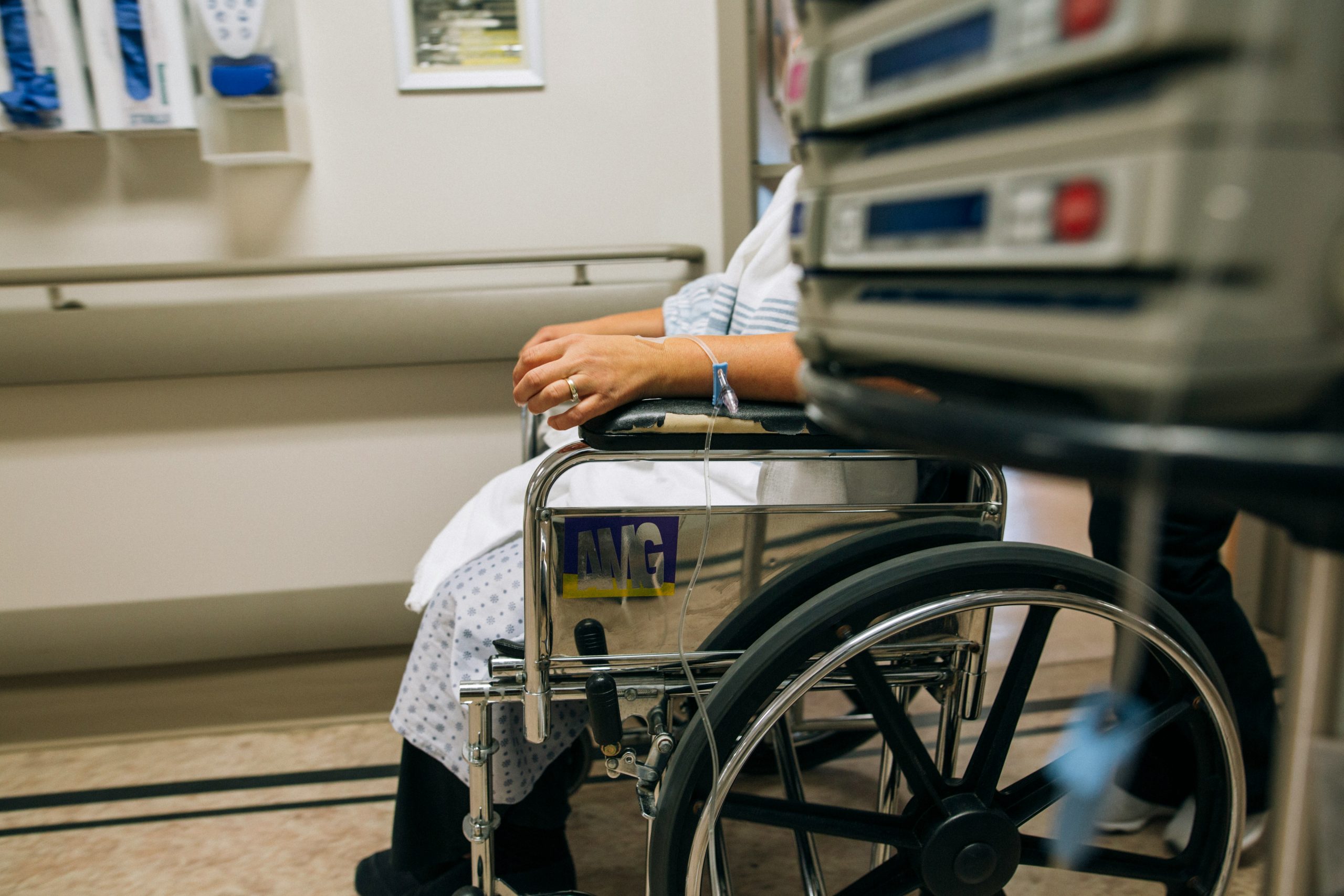
“Much better, sweetheart.”
She smiled.
“Good. I missed you.”
“I missed you, too.”
That evening, after everyone had gone home, I walked into the living room.
Robert’s armchair remained beside the window. His portrait still stood on the mantel.
I picked up the frame and studied his face.
For years, I had remembered him as the man who always knew what to do.
Now I understood that he had simply been human.
He had been loving, generous, ambitious, and sometimes wise. He had also been flawed and, in this case, deeply mistaken.
I returned the portrait to its place.
I no longer needed to pretend our marriage had been perfect to appreciate what it had meant to me.
Learning to Speak for Myself
The following Sunday, Daniel found me tending to the garden.
“You look brighter, Mom,” he said.
“I feel brighter.”
He sat on the bench beside me.
“Do you regret finding the letters?”
I considered the question.
“They changed how I see your father,” I admitted. “But I don’t regret discovering the truth.”
He looked toward the roses along the fence.
“What will you do with the records?”
“I’ve arranged for the old research files to be independently reviewed. I want to understand exactly what happened and how my information was used.”
Daniel nodded.
“And after that?”
I smiled.
“After that, I intend to enjoy my life.”
The decision felt simple, but it represented a significant change.
For years, I had allowed other people to handle complicated matters because I trusted them or because I found the details intimidating. I had assumed that someone else would explain anything important when the time came.
Now I understood that trust and personal responsibility had to exist together.
I could trust my children while still asking questions. I could respect doctors while requesting clear explanations. And I could remember my husband with affection without accepting every decision he had made.
Several weeks later, I attended a community seminar about helping older adults make informed healthcare decisions.
I shared part of my experience, particularly how Sarah had encouraged me to seek medical attention rather than dismiss my symptoms as an ordinary consequence of aging.
I also spoke about the importance of understanding documents that contain our names and personal information.
“I spent a great deal of my life relying on other people to navigate difficult decisions,” I told the group. “But growing older doesn’t mean giving up your voice.”
Several people nodded.
Afterward, a woman around my age approached me.
“My husband always handled our paperwork,” she explained. “Since he died, I’ve been afraid to ask for help.”
I took her hand.
“Then perhaps it’s time for both of us to learn a few new things.”
We laughed together.
For the first time, I understood that my experience was about more than a hidden research project or the secrets my husband had taken to his grave.
It was also about learning to advocate for myself.
Remembering Robert as He Really Was
Months passed, and my strength gradually returned.
I resumed gardening, attending church, and enjoying Sunday dinners with my family. My recovery required patience, but each ordinary activity felt like a small victory.
One afternoon, Daniel arrived carrying a small wooden box.
“I found these while sorting through Dad’s things,” he said.
Inside were old photographs, postcards, and handwritten notes.
One showed Robert and me on our honeymoon. Another captured him holding newborn Rebecca. A third had been taken at our fortieth-anniversary celebration.
At the bottom of the box was a folded greeting card.
I opened it.
“Margaret,” Robert had written, “of all my accomplishments, being your husband remains my greatest privilege.”
