And Earl realized that the experience had created something more meaningful than an apology.
It had opened a door between generations.
A Nursery Built With Their Own Hands
After that conversation, Tyler and Kendra decided they wanted to be more involved in the nursery furniture.
They didn’t need to recreate the original $8,140 order.
Instead, they began planning a few simple pieces that would complement the handmade cradle.
Earl suggested building an oak dresser and a changing table.
Tyler liked the idea.
Kendra wanted the furniture to feel warm and natural while still fitting the nursery’s decorating theme.
They agreed to work together.
Over four Saturdays, Earl, Tyler, and Kendra spent time in the workshop.
Earl guided the work, showing Tyler how to measure carefully, prepare the wood, and make the joints fit properly.
Kendra helped with the finishing details and chose small sunflower designs for the drawer handles.
The lumber and supplies cost approximately $640.
It was considerably less than the original furniture set, but the value of the project was no longer measured by its price.
Every piece had a story.
Every Saturday gave the family another opportunity to spend time together.
The finished dresser and changing table were simple, sturdy, and made with care.
Kendra loved them.
She chose a soft sunflower-yellow color for the nursery walls, bringing the room together with a detail inspired by June.
The cradle, which had once seemed out of place, became the centerpiece.
It didn’t have to match every other piece of furniture.
It belonged there because of what it represented.
The Baby Arrives—and June’s Name Lives On
In October, Tyler and Kendra welcomed a healthy baby girl.
They decided to name her June.
The decision meant more to Earl than he could easily explain.
When Tyler called to share the news, Earl became emotional.
“June?” he asked.
“Yes, Grandpa. We wanted her to carry Grandma’s name.”
Earl sat down.
“Your grandmother would have loved that.”
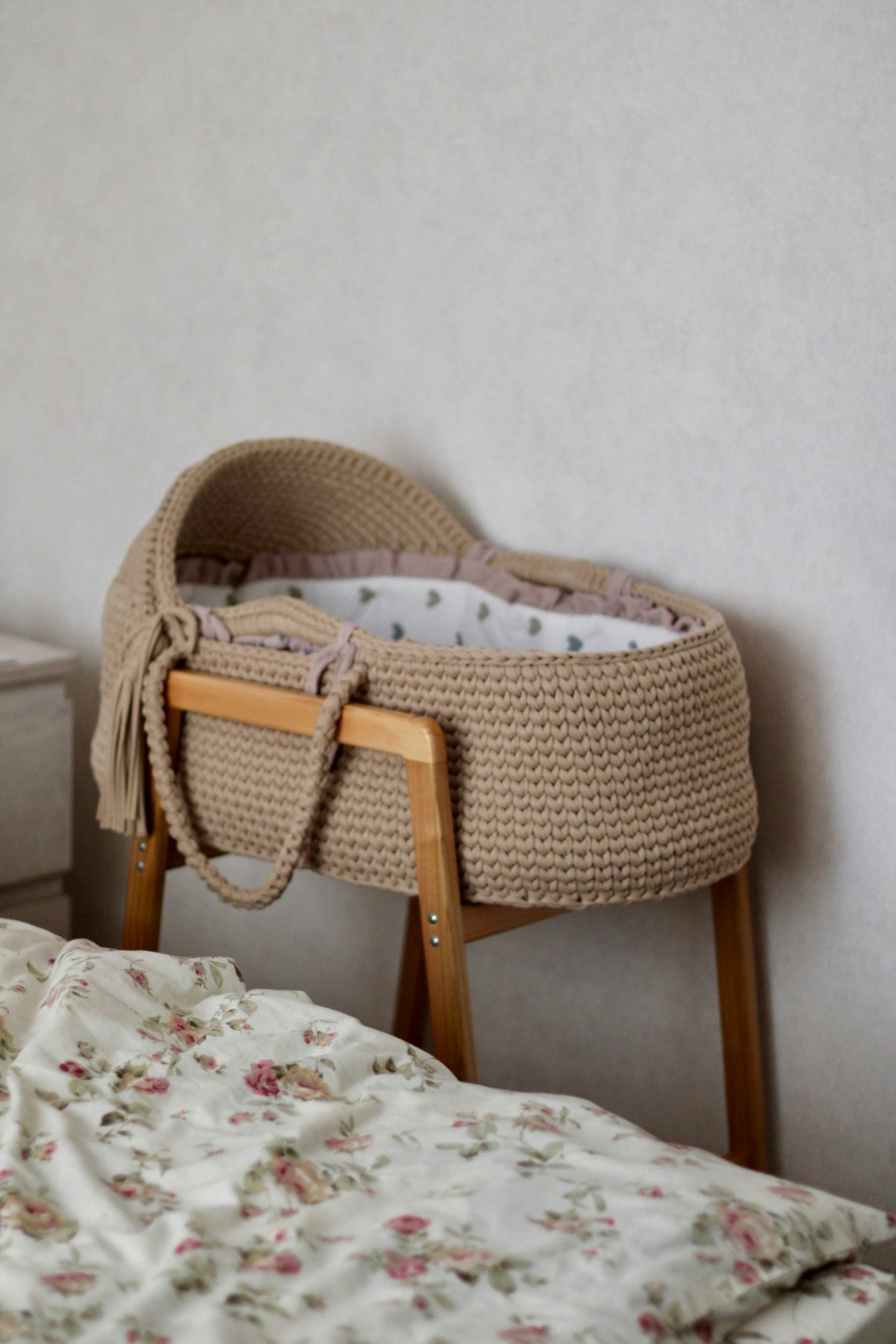
When the young family brought their daughter home, they placed her in the cedar cradle.
The same cedar chest that June’s father had built for her in 1963 had become a place for her great-granddaughter to rest.
The baby was wrapped in the same old quilt Earl had used to protect the cradle during its first trip to Tyler and Kendra’s home.
At around two in the morning, Earl’s phone lit up.
It was a message from Kendra.
She had sent a photograph of little June sleeping peacefully in the cradle.
Her message read:
“She finally fell asleep. I think she likes Grandma June’s chest. Thank you, Earl, for everything. I’m sorry again.”
Earl looked at the photograph for a long time.
Then he printed it.
He placed it in his workshop beside one of his last pictures with June.
One photograph showed the woman who had loved the cedar chest for more than fifty years.
The other showed the newest member of their family sleeping in something made from that same wood.
Earl felt that, in some small way, the two photographs belonged together.
The Cradle Became More Than a Piece of Furniture
Earl had built countless things during his long career.
Some had gone into beautiful homes. Others had been made for families who wanted furniture that would last for generations.
He had always taken pride in his work.
But the cradle was different.
It wasn’t valuable because of the price of the cedar or the hours of labor.
It was valuable because of the memories it carried.
The wood had once belonged to June’s father. June had treasured it throughout her marriage. Earl had transformed it to honor her final wish. And now their great-granddaughter would grow up with a piece of that history close to her.
