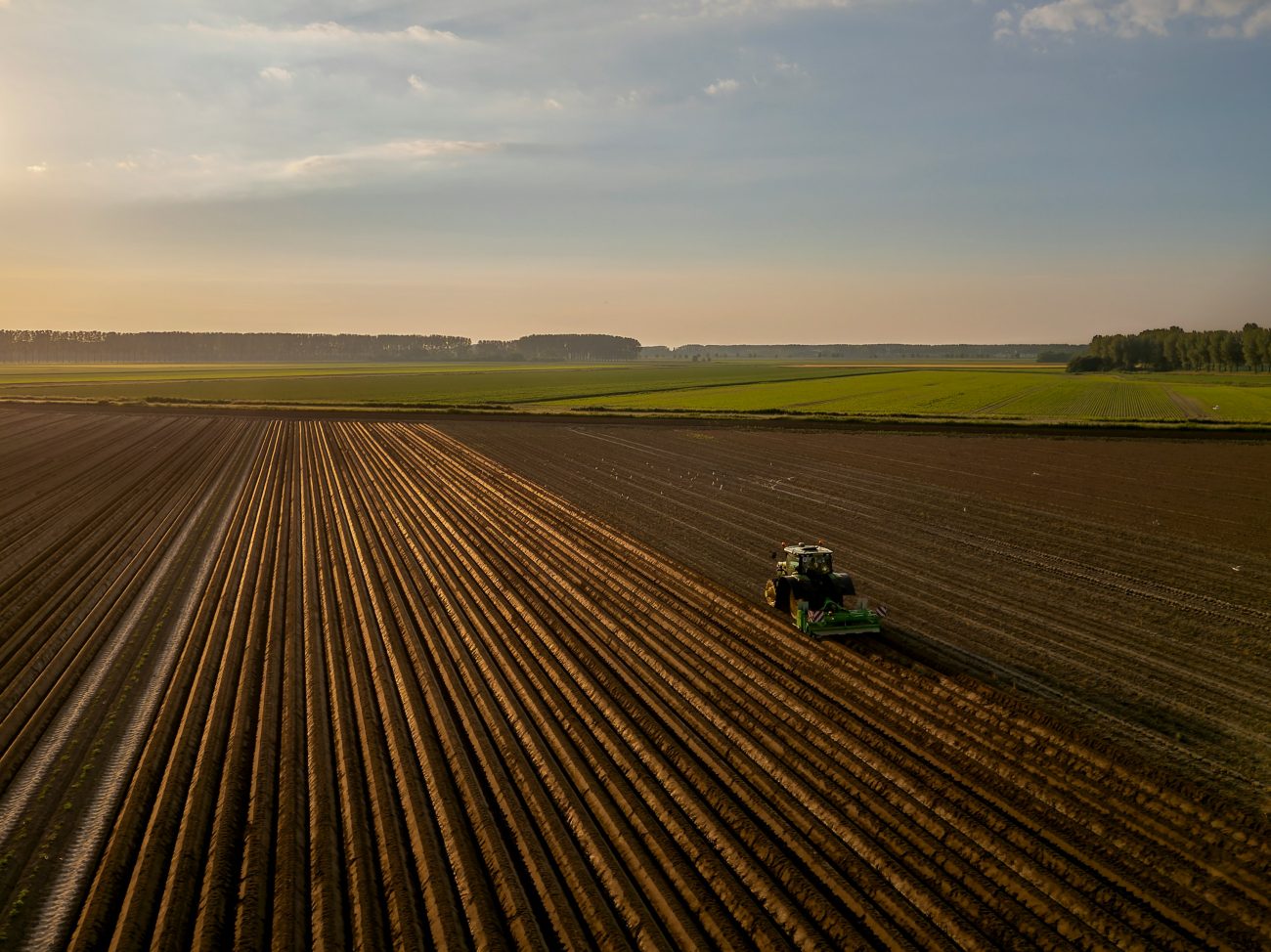
We Nearly Lost Our $200,000 Peanut Harvest—Then My Father’s Forgotten Machine Saved Everything
The morning our peanut harvest was supposed to begin, my husband’s uncle drove straight past our driveway.
For fifteen years, Lamar had been the man we trusted to harvest our peanuts. My husband, Hoyt, handled the digging, and Lamar operated the picker. We had an arrangement that worked year after year: $50 per acre for our 180 acres, a total of $9,000.
But that Friday morning, after accepting our payment in advance, Lamar decided to harvest his own fields first.
Our peanuts were already lying in long rows, drying beneath the Georgia sun. A tropical storm was approaching, and if heavy rain arrived before we could collect them, we could lose a harvest worth nearly $200,000.
We had no replacement operator. Every farmer we called was already committed elsewhere.
Then I remembered something that had been sitting beneath a tarp in my father’s old shed for six years.
His 1985 two-row peanut picker.
It was old, slow, and badly in need of repair. But it was the only machine we had.
What happened over the next four days brought our family, our neighbors, and even the man who had disappointed us together in a way none of us expected.
And it reminded me that sometimes the most valuable thing a parent leaves behind isn’t money or property. It’s the knowledge that helps the next generation find a way forward.
The Friday Morning Lamar Never Came
My name is Della Mae Bledsoe Harrell, and my family has farmed the same part of southwest Georgia for generations.
My husband, Hoyt, was fifty-one that year. He had spent nearly his entire adult life working the land, learning when to plant, when to dig, and how to recognize trouble before it became a disaster.
Farming had taught him patience, but it had also taught him that timing could matter more than almost anything else.
Our peanut harvest depended on a carefully coordinated process.
First, the plants were dug and turned over into long rows so the peanuts could dry. Then they had to be picked before the weather turned against us.
The timing was important. If the crop stayed in the field too long or became soaked by heavy rain, the quality could suffer. Pods could become loose, moisture could rise, and damaged peanuts could bring a lower price.
For fifteen years, Lamar had handled the picking.
He was Hoyt’s uncle, his father’s younger brother, and someone our family had trusted for a long time.
The arrangement was straightforward. Hoyt prepared the fields, and Lamar brought his combine to collect the peanuts. We paid him $50 per acre.
For our 180 acres, that meant $9,000.
Usually, we paid when the work was finished.
This year, however, Lamar asked for the money in advance.
He came by one afternoon and stood beside Hoyt’s truck while they talked.
“I’ve got a few things to take care of,” he said. “I’d appreciate it if you could pay me before we start.”
Hoyt didn’t hesitate.
“All right, Uncle Lamar.”
He wrote the check.
Lamar slipped it into his shirt pocket and promised to be at our place Friday morning around ten, once the dew had dried.
There was no reason to doubt him.
At least, that’s what we thought.
By Friday, the peanut plants had been dug and arranged in rows across the fields. The weather was still warm, and the crop was ready.
At nine-thirty, I prepared sandwiches and a large pitcher of sweet tea for the workers.
At nine-fifty, Hoyt stood outside with his coffee, watching the road.
