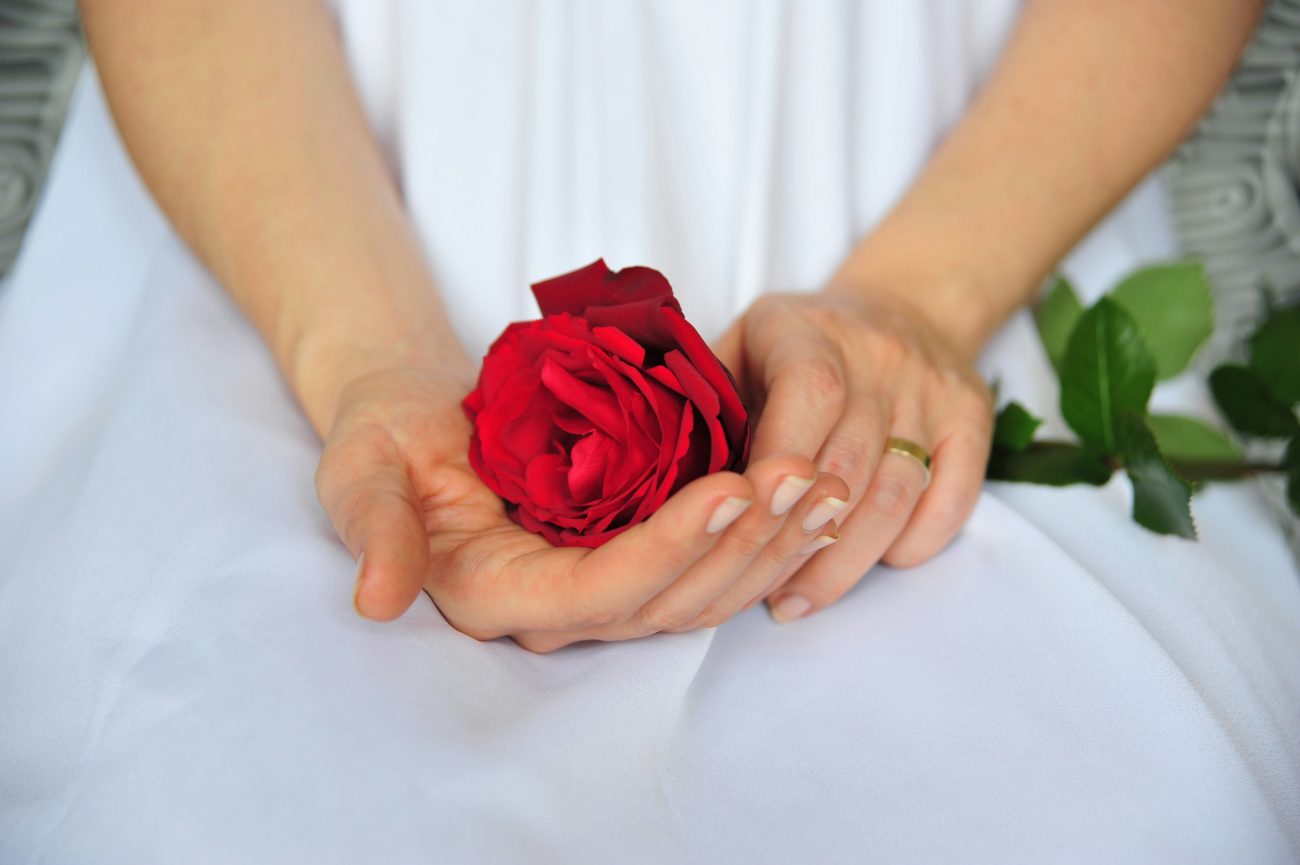
My Mother Died Serving in Afghanistan When I Was 12 — Years Later, Her Army Friend Walked Into My Wedding Wearing a Red Dress
“Mom, what if you don’t come back?”
My mother stopped folding her Army uniforms and looked at me. For a moment, neither of us spoke. She knew why I was asking. I had heard the news reports about Afghanistan, and I was old enough to understand that people went there and sometimes never returned.
“Why would you ask me that, sweetheart?” she finally said.
“Because people die over there.”
Mom sat beside me and took my hands.
“Being scared is normal, Lily. I’m scared sometimes, too.”
“Then why do you have to go?”
“Because there are people who need help. And helping people is what I do.”
My mother, Sarah, was an Army medic. She had spent her life taking care of others, whether that meant treating a scraped knee, calming a frightened child, or helping someone through the worst day of their life.
But that evening, she couldn’t make my fear disappear.
“Promise you’ll come home,” I whispered.
She pulled me against her shoulder.
“I promise I’ll do everything I can.”
Then she kissed my forehead and tried to make me smile.
“Besides, I still have to be at your wedding.”
I frowned.
“My wedding? Mom, I’m 12.”
“Exactly. I’ve got plenty of time to find the perfect dress.”
She stood up and held a finger in the air as if she’d just made an important decision.
“A bright red dress. Something impossible to miss. When you walk down the aisle, you’ll look out and spot me immediately.”
I laughed.
“Why red?”
“Because everyone else will be looking at the bride. I’ll need something dramatic to get your attention.”
“You’re embarrassing.”
“That’s my job.”
I had no idea how often I would remember that conversation.
Or how much one red dress would eventually mean to both of us.
The Life We Had Before She Left
Mom raised me alone. I never knew my father, and whenever I asked about him, she explained that some people simply weren’t ready to become parents.
“But you were?” I asked her once.
She smiled.
“Not even close. I learned because I had you.”
We lived in a small apartment where the kitchen table served two purposes: it was where we ate dinner, and it was where I did my homework. Mom worked long hours, but she always tried to protect our Friday evenings.
Those nights belonged to us.
We made pancakes for dinner and watched old movies. I was allowed to choose what we watched as long as I helped prepare the batter. I usually added too much sugar, but Mom pretended not to notice.
She wasn’t a perfect mother. She forgot appointments, occasionally burned toast, and sometimes fell asleep halfway through a movie. But I never doubted that I mattered more to her than anything else.
When I had trouble at school, she listened. When I argued with friends, she didn’t automatically take my side.
“Being a good friend doesn’t mean always agreeing,” she’d tell me. “Sometimes it means being brave enough to tell the truth.”
I didn’t always appreciate those lessons at the time.
I thought there would always be another Friday evening, another conversation, another chance to tell her what had happened at school.
Then her deployment came.
I stayed with Grandma while Mom was overseas. Grandma did everything she could to make the apartment feel familiar. She cooked my favorite meals, kept Mom’s photograph beside my bed, and reminded me that my mother would call whenever she had the opportunity.
