What GPS Tracking Has Revealed About Eagles: The Hidden Intelligence Behind Their Remarkable Journeys
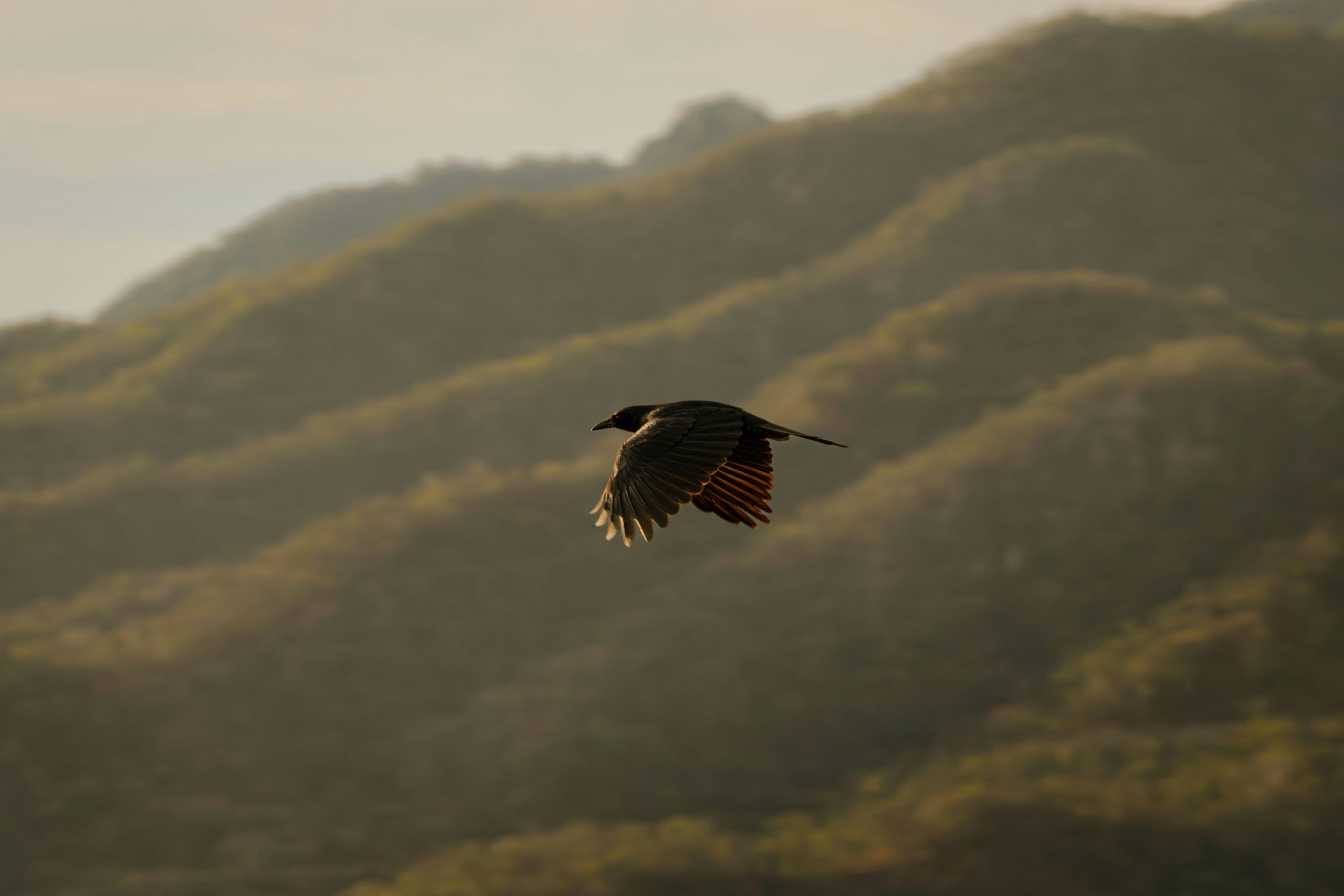
An eagle soaring above a mountain range can appear almost effortless. Its wings remain extended, its movements seem calm, and it glides across the landscape without the constant flapping that characterizes many other birds.
But beneath that seemingly simple flight is a remarkable process of navigation and adaptation.
Eagles must respond to changing winds, shifting weather conditions, available food, unfamiliar landscapes, and the demands of conserving energy. Their movements are influenced by environmental conditions that are often invisible to people watching from the ground.
For scientists, understanding how these birds make their way across enormous territories has become much easier with the development of modern GPS tracking technology. Small tracking devices allow researchers to follow individual birds, record their locations, and compare their movements with environmental information.
The results have challenged some traditional assumptions about animal movement. A bird that appears to follow an irregular route may actually be responding to a combination of wind conditions, terrain, food availability, and seasonal changes.
Although there is no verified evidence for the specific story of one eagle being tracked continuously for 20 years and producing all the discoveries described in some viral accounts, genuine scientific research has revealed fascinating details about how eagles navigate their surroundings.
And some of those findings are more impressive than the dramatic stories often shared online.
How GPS Tracking Changed the Study of Eagles
For many years, researchers studying birds of prey relied on direct observation, traditional identification bands, and occasional sightings to understand where different species traveled.
These methods provided valuable information, but they also had limitations.
An eagle might disappear from view for weeks or months before being spotted again somewhere hundreds of miles away. Researchers could identify its general movement between two locations, but they often had little information about the journey itself.
GPS tracking changed that.
A lightweight transmitter attached to a bird can record its geographical position at regular intervals. Depending on the equipment and research design, the information may be transmitted remotely or collected later.
Scientists can then examine thousands of location records and compare them with other environmental information, including:
- Wind speed and direction.
- Temperature and atmospheric conditions.
- Mountain ranges and other geographical features.
- Vegetation and habitat types.
- Seasonal changes in food availability.
- Human activity and potential sources of disturbance.
Instead of seeing only where an eagle begins and ends its journey, researchers can examine how it moves through the landscape.
A route that initially looks complicated may become easier to understand when environmental information is added.
A bird might follow a mountain ridge, circle over a particular area, or change direction during a journey. These movements can reflect opportunities to find rising air, reach feeding grounds, avoid unfavorable conditions, or explore unfamiliar territory.
The technology does not reveal every thought or decision made by an animal. However, it gives scientists a much more detailed picture of the conditions associated with its behavior.
Eagles Use Invisible Currents to Travel More Efficiently
One of the most fascinating aspects of eagle flight is the way these birds use naturally occurring air movements.
Large soaring birds are particularly well adapted to taking advantage of rising air. Instead of relying entirely on repeated wingbeats, they can gain altitude by moving through currents that provide lift.
Two important types of rising air are thermals and orographic updrafts.
What Are Thermals?
Thermals are rising columns of warm air that develop when sunlight heats the ground unevenly.
As the surface warms, the air above it can become warmer and less dense than the surrounding air. Under suitable atmospheric conditions, that air rises.
