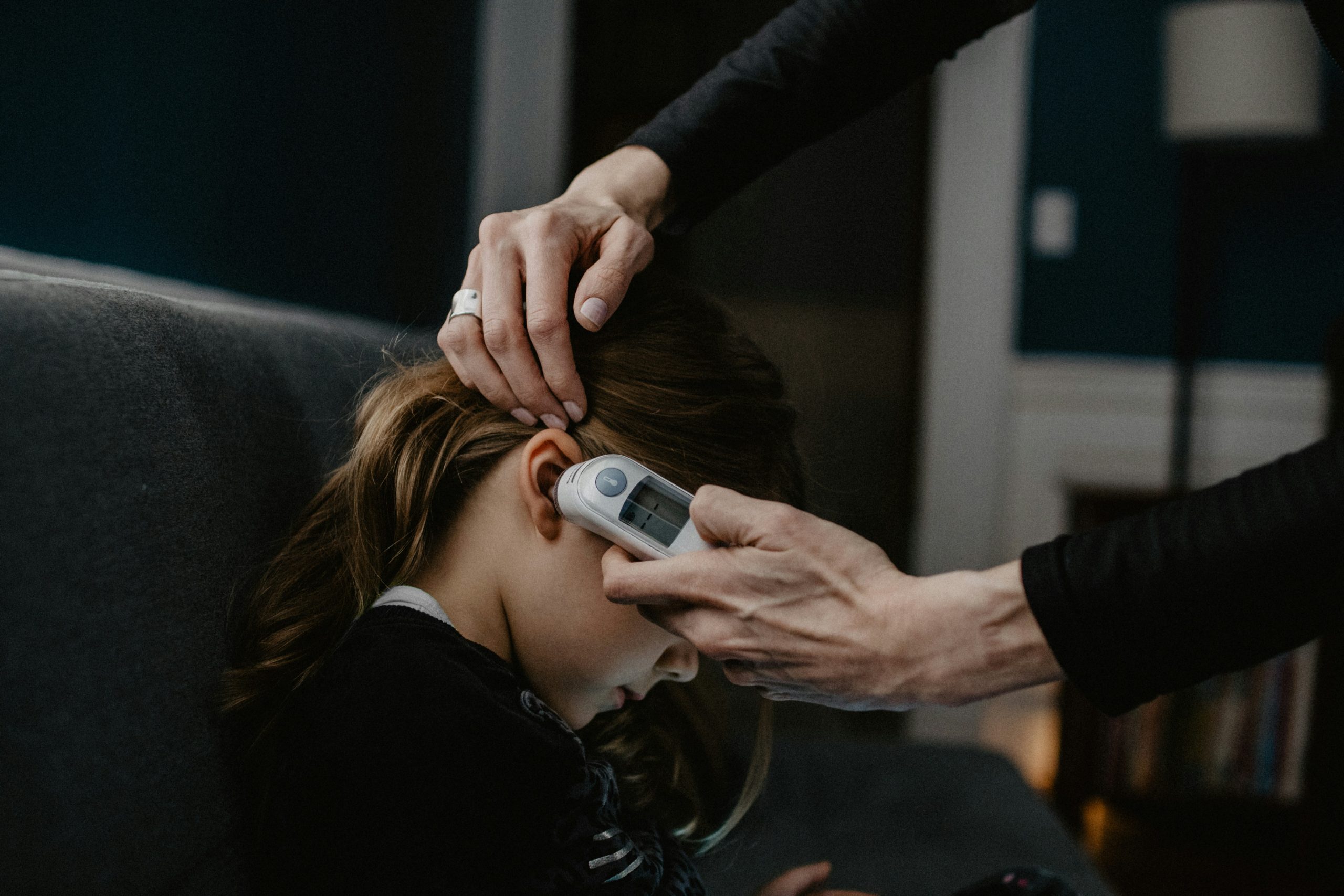
Finding something unfamiliar on your child’s scalp can be an unsettling experience.
One moment, you’re helping your child get ready for bed, brushing their hair, or giving them a bath. The next, you notice a tiny object attached to the hair or sitting close to the scalp.
Naturally, the first question is:
“What is that?”
Parents may immediately wonder whether it is a bug, an insect, a piece of dirt, or something that requires attention. However, identifying a small object on the scalp from a quick glance can be difficult. Several different things can look surprisingly similar, especially when they are very small.
The good news is that noticing something unusual does not automatically mean there is a serious problem.
Instead of guessing, it is better to take a closer look, consider the circumstances, and pay attention to any symptoms your child may have.
Small Objects on the Scalp Can Have Several Possible Causes
There are several possibilities when a parent discovers a tiny bug-like object in a child’s hair.
One possibility is an ordinary piece of debris.
Children play outdoors, spend time on playgrounds, sit on carpets, lie on grass, and participate in activities that can leave small particles in their hair. A tiny seed, piece of plant material, lint, or dirt can sometimes look surprisingly similar to a small insect.
Another possibility is a living insect.
Small insects can occasionally become trapped in hair, particularly after outdoor activities. Depending on the insect, it may move around, remain still, or become caught among individual hairs.
There are also conditions involving the scalp and hair that can produce objects that resemble insects.
For example, dried skin, product residue, or other material can sometimes become attached to individual hairs.
This is why it is difficult to identify an unknown object accurately without seeing it clearly.
Head Lice Are One Possibility Parents Often Consider
When something unusual is discovered in a child’s hair, many parents immediately think about head lice.
Head lice are small parasitic insects that live on the human scalp and feed on blood. They can occur in children and are commonly associated with close head-to-head contact.
However, seeing one unfamiliar object does not automatically mean a child has head lice.
One of the important things to distinguish is a live louse from a nit.
Nits are lice eggs or egg cases attached to individual hairs. They can appear as tiny pale or whitish objects and may be confused with dandruff or other material.
Nits tend to remain firmly attached to the hair shaft, while ordinary flakes of dandruff or loose debris are generally easier to move or remove.
If you suspect lice, carefully examining the hair near the scalp can provide more useful information than simply looking at one isolated object.
What Should Parents Look For?
If you notice something unusual, try to remain calm and examine the area under good lighting.
A bright room or a flashlight can make small objects easier to see.
If possible, use a fine-toothed comb to separate the hair into small sections. This can make it easier to determine whether the object is attached to the hair, resting on the scalp, or simply caught in the hair.
Look for additional signs rather than focusing entirely on one object.
For example, you might notice:
-
Persistent scalp itching.
-
Frequent scratching.
-
Small irritated areas caused by scratching.
-
Multiple tiny objects attached to individual hairs.
-
Insects that appear to move.
-
Redness or irritation around the scalp.
-
Other household members experiencing similar itching.
None of these signs alone provides a definitive diagnosis, but they can help determine whether further evaluation is appropriate.
