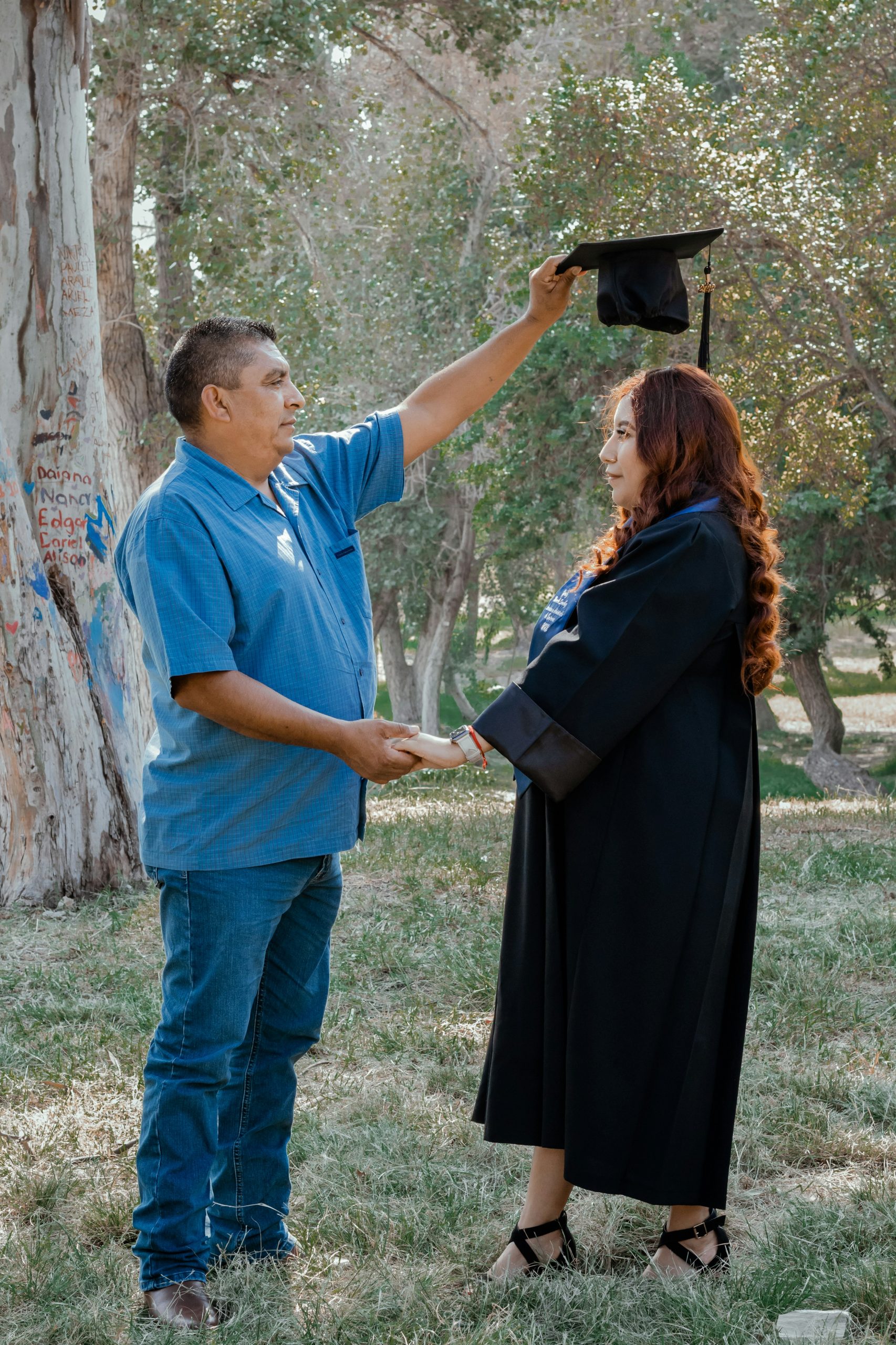
My Son’s Father Walked Out Hours After His Birth—25 Years Later, He Returned for His Graduation
The day my son was born should have been one of the happiest days of my life. I expected relief, celebration, and the quiet joy that comes with finally holding the child you have waited months to meet.
Instead, it became the day my life changed forever.
There was no argument. No shouting, no slammed doors, and no dramatic exchange of accusations. My ex-husband, Warren, simply looked at our newborn son, said a few words, and walked away.
I was still lying in a hospital bed when he decided he no longer wanted the life we had just begun.
Our son, Henry, was only a few hours old. He rested against me, his tiny fingers curled around the fabric of my hospital gown. His breathing was soft and uneven, as though he were still getting used to the world around him.
Earlier, a neurologist had spoken to us about possible developmental challenges. The explanation included terms such as motor impairment, uncertainty, and long-term therapy. I listened carefully, but the information was difficult to absorb. I nodded, trying to understand what the future might hold for our little boy.
Then I noticed Warren reaching for his keys.
At first, I assumed he needed a few minutes alone. He had always been someone who stepped away when situations became overwhelming. I thought he might simply be processing the news.
When I asked him for a glass of water, however, he didn’t respond.
Instead, he looked at Henry with an expression I will never forget. There was no tenderness or concern in his face. He seemed distant, as though he were looking at a responsibility he had already decided he didn’t want.
“I’m not doing this,” he said.
He offered no explanation.
Then he turned and walked out of the room.
I watched the door close, struggling to understand how someone could leave so easily while his child was still lying in a hospital bassinet.
I looked down at Henry. He had no idea what had just happened. He was simply a newborn who needed warmth, care, and someone to hold him.
I pulled him closer and whispered the only thing I knew for certain.
“It’s just us now.”
The Years When It Was Just the Two of Us
The years that followed were not easy, and they certainly weren’t as simple as stories about overcoming adversity sometimes make them sound.
There were no effortless victories or magical moments when everything suddenly became manageable. There were therapy appointments, difficult conversations, paperwork, financial worries, and countless days when I had to find energy I wasn’t sure I still had.
I learned how to follow Henry’s therapy routines at home, practicing exercises and helping him work through physical challenges. I spent hours dealing with insurance companies, asking questions, requesting additional support, and advocating for treatments that I believed could help him.
Sometimes I felt exhausted before the day had even begun.
There were also moments when other people made assumptions about my son. Some spoke to me with pity, as though his future had already been decided. Others seemed to believe that his physical challenges automatically meant he should have fewer opportunities.
At school, suggestions were occasionally made that Henry might be better suited to a less demanding environment.
The recommendations were presented as helpful advice, but I could hear the assumptions behind them.
Henry could hear them, too.
Even when he was young, he had a way of asking questions that made adults reconsider their words.
I remember one conversation with a school administrator particularly well.
